
Description
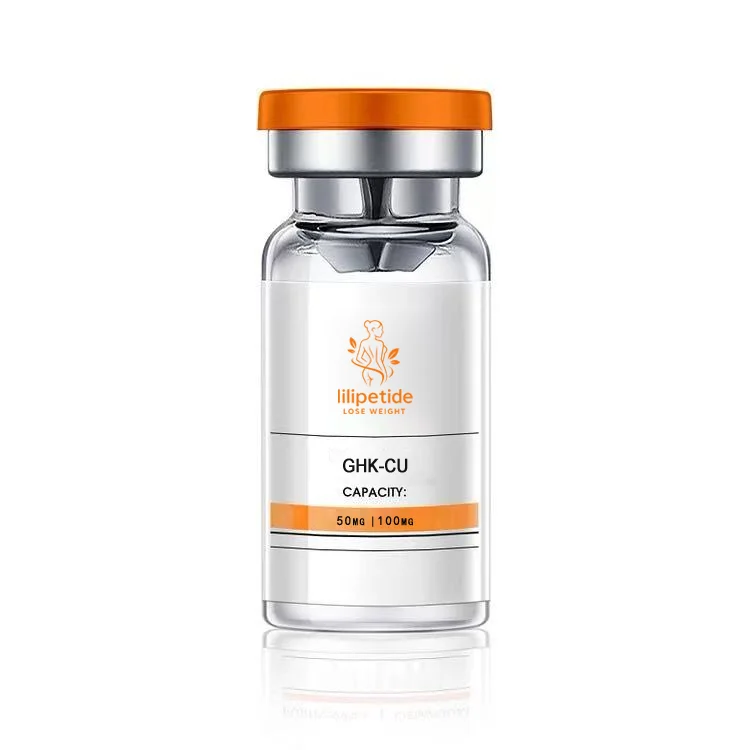
GHK-CU
GHK-Cu is a tripeptide-copper complex composed of three amino acids glycine, histidine, and lysine—coordinated to a copper ion (Cu2+). The specific molecular structure allows GHK-Cu to remain stable while delivering copper to tissues that need it most. The peptide portion was originally identified as a fragment released during collagen breakdown, which explains its tissue-specific activity.
The discovery of GHK- came from research into wound healing processes, where scientists noticed that certain copper-containing compounds promoted tissue repair more effectively than copper alone. This led to the identification of GHK-as the active factor. The peptide sequence was found to target specific cellular receptors, directing copper delivery precisely where it could provide maximum benefit for tissue regeneration.
How It Works: The Mechanism of Action
GHK- exerts its effects through multiple interconnected mechanisms. First, the peptide portion binds to specific receptors on target cells, particularly fibroblasts—the cells responsible for producing collagen and other extracellular matrix components. This binding triggers intracellular signaling that stimulates collagen synthesis, elastin production, and fibroblast proliferation.
Simultaneously, the attached copper ion serves as an essential cofactor for lysyl oxidase, the enzyme required for cross-linking collagen and elastin fibers. Without adequate copper-mediated cross-linking, collagen fibers remain weak and disorganized, compromising skin strength and elasticity. GHK- ensures that both collagen production and proper cross-linking occur simultaneously.
GHK- also exhibits potent antioxidant properties, protecting tissues from oxidative damage while simultaneously promoting the activity of antioxidant enzymes. This dual action provides comprehensive protection against the environmental and metabolic challenges that accelerate skin aging.
Biological Functions and Roles
Collagen Synthesis
One of the most significant functions of GHK- involves its stimulation of collagen synthesis. Research has consistently demonstrated that GHK- can significantly increase collagen production in fibroblasts. This occurs through upregulation of collagen genes and enhanced translation of collagen proteins.
The increase in collagen synthesis helps restore skin structure and firmness that naturally declines with age. Unlike many skincare ingredients that simply prevent collagen breakdown, GHK-Cu actively stimulates new collagen production, addressing the root cause of skin aging.
Wound Healing and Tissue Repair
GHK-Cu plays crucial roles in tissue repair processes. The peptide promotes angiogenesis—the formation of new blood vessels—which is essential for delivering nutrients and oxygen to healing tissues. Additionally, GHK-Cu stimulates fibroblast migration to wound sites and promotes the formation of granulation tissue.
The combination of enhanced collagen production, improved blood supply, and fibroblast function makes GHK-Cu particularly effective for supporting various types of wound healing. This has led to its use in medical settings for burn treatment, surgical wound care, and chronic wound management.
Skin Elasticity and Firmness
GHK- significantly improves skin elasticity through multiple mechanisms. Beyond stimulating new collagen production, GHK- promotes proper collagen and elastin cross-linking, creating a stronger, more resilient extracellular matrix. The peptide also stimulates the production of glycosaminoglycans, which help maintain skin hydration and volume.
The comprehensive effects on skin structure make GHK- one of the most effective ingredients for addressing sagging, wrinkles, and loss of firmness associated with aging.
Health Benefits and Applications
Anti-Aging Skincare
GHK- has become one of the most popular ingredients in premium anti-aging skincare products. Its ability to stimulate collagen production, improve skin elasticity, and reduce the appearance of fine lines and wrinkles makes it valuable for addressing multiple signs of aging simultaneously.
The peptide works effectively when applied topically, penetrating skin to reach target cells. Many clinical studies have demonstrated significant improvements in skin parameters with GHK-Cu use, including increased firmness, reduced wrinkle depth, and improved overall skin appearance.
Hair and Scalp Health
Research has also explored GHK- for hair health applications. The peptide may stimulate hair follicle function and promote hair growth in certain contexts. Some studies have explored its use for addressing pattern hair loss, though more research is needed in this area.
Wound Care
GHK- is used in various medical wound care applications, particularly for chronic wounds, burns, and surgical sites. Its combination of antimicrobial properties, collagen stimulation, and tissue regeneration support makes it valuable for situations where healing is impaired.
Sources and Supplementation
Topical Application
GHK- is primarily available in topical formulations, including serums, creams, and specialized wound care products. The peptide is stable in these formulations and effectively penetrates skin to reach target tissues.
Quality varies significantly among products, making selection from reputable manufacturers important for achieving desired effects. Concentration, formulation pH, and stability all affect effectiveness.
Aesthetic Applications
Within aesthetic medicine, GHK- is available for professional use in various treatment protocols. These include mesotherapy treatments and specialized skincare programs designed by trained practitioners.
Safety Profile and Considerations
Generally Favorable Safety
GHK- has demonstrated a generally favorable safety profile in clinical use. Topical application is well-tolerated, with rare reports of mild irritation. The peptide is naturally occurring in the body, making it generally compatible with human physiology.
In medical wound care applications, GHK- has been used extensively with a strong safety record.
Appropriate Use
When used in appropriate concentrations, GHK- is safe for regular use. Starting with lower concentrations and assessing tolerance is recommended, particularly for those with sensitive skin.
Quality and Sourcing
The quality of GHK- products varies significantly based on manufacturer and formulation standards. Healthcare providers can offer guidance on appropriate sourcing and quality considerations.
Reputable manufacturers provide certificates of analysis and follow quality standards that ensure product purity and potency.
Comparison with Other Approaches
GHK-Cu vs. Standard Copper Supplements
Unlike standard copper supplements that distribute copper nonspecifically throughout the body, GHK-Cu delivers copper specifically to tissues that need it. This targeted approach is more effective for skin and tissue applications while reducing the risk of copper imbalance.
GHK-Cu vs. Retinoids
Compared to retinoids, which primarily work by increasing cell turnover, GHK- works by stimulating collagen production and tissue regeneration. These different mechanisms may offer complementary benefits, and some formulations combine both ingredients.
Potential Developments
New formulations and delivery technologies may enhance the effectiveness of GHK-Cu applications. These advancements may expand uses and improve outcomes.
Conclusion
GHK-Cu represents one of the most effective and well-researched peptides for skin health and tissue regeneration. Its unique mechanism combining targeted copper delivery with peptide signaling makes it distinctive among anti-aging ingredients. The extensive research supporting its benefits has established GHK as a cornerstone ingredient in advanced skincare and wound care applications.
Reviews
There are no reviews yet.