


Description
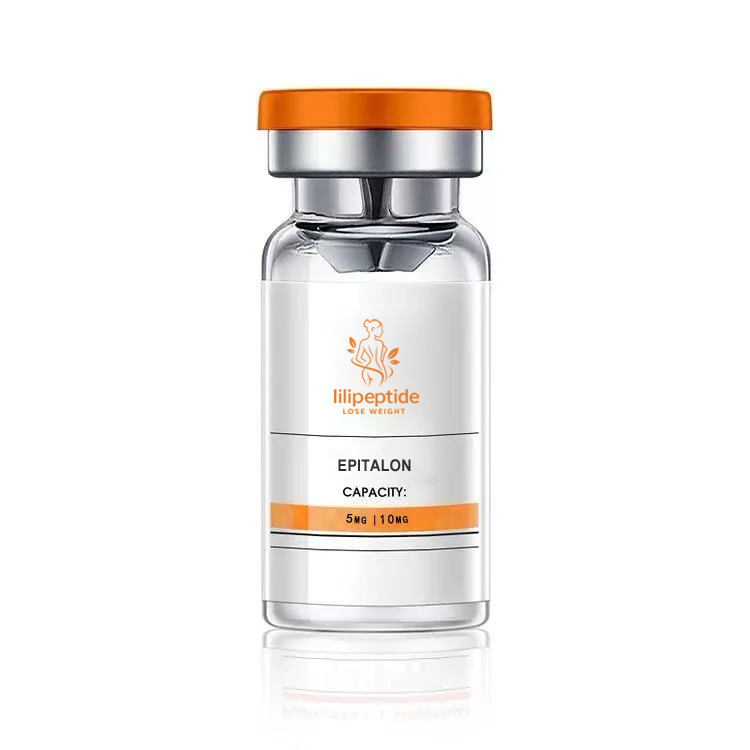
Epithalon
Epithalon is a synthetic tetrapeptide with the amino acid sequence Ala-Glu-Asp-Gly. Its relatively simple molecular structure facilitates research into its mechanisms and allows for consistent manufacturing. The peptide was developed based on research into the pineal gland and its secretions, particularly epithalamin, which was found to decline with age.
The development of Epithalon involved creating a synthetic version that could replicate the potential benefits of natural pineal gland secretions without the complexity of extracting natural compounds. This approach allows for standardized dosing and consistent effects in research settings.
How It Works: The Mechanism of Action
The primary mechanism of Epithalon involves its potential effects on telomerase activity and telomere length. Telomeres are repetitive DNA sequences at the ends of chromosomes that protect genetic information during cell division. With each cell division, telomeres shorten slightly, and when they become too short, cells can no longer divide properly—a fundamental process in cellular aging.
Epithalo has been studied for its potential to activate telomerase, the enzyme that can lengthen telomeres. By potentially supporting telomerase activity, Epithalo may help maintain telomere length and support cellular replication capacity. This mechanism distinguishes it from most conventional anti-aging approaches.
Biological Functions and Roles
Telomere Length Protection
The most significant potential function of Epithalon involves its influence on telomere length. Research has suggested that Epithalon may help maintain or potentially increase telomere length in various cell types. This is particularly significant because telomere shortening is considered one of the primary markers of cellular aging.
The connection between telomere length and cellular health has made Epithalon an area of significant interest for aging research. Cells with longer telomeres generally have greater replication capacity and function.
Cellular Function Support
Beyond telomere effects, Epithalon may support various aspects of cellular function. Research has explored its effects on oxidative stress, mitochondrial function, and cellular energy production. These broad effects make it relevant for various aspects of health beyond specific anti-aging applications.
The multi-faceted effects of Epithaln suggest it may work through various mechanisms that together support overall cellular health and function.
Pineal Gland Support
Epithalo was originally developed based on research into the pineal gland, which regulates numerous hormonal processes including melatonin production. Some research has explored whether Epithalo may support pineal gland function, potentially influencing circadian rhythms and hormone regulation.
This connection to the pineal gland provides a theoretical foundation for understanding Epithalon’s broader effects on health and aging.
Potential Benefits and Applications
Anti-Aging Support
The primary area of interest for Epithaln involves anti-aging applications. By potentially affecting telomere length and cellular function, Epithalo may support various markers of biological aging. Research has explored its effects on longevity markers in various species.
The theoretical basis for Epithalon’s anti-aging effects makes it one of the most interesting peptides in this field.
Cellular Health
Epithalon’s effects on cellular function may support overall cellular health. This includes potential benefits for immune function, energy metabolism, and tissue repair processes.
The broad effects on cellular health make Epithalon potentially relevant for various applications beyond specific anti-aging uses.
Immune Function Support
Research has explored Epithalon’s potential effects on immune function. Some studies have suggested it may support various immune parameters, potentially through its effects on cellular function and stress response.
Research and Clinical Evidence
Preclinical Findings
Extensive preclinical research has characterized Epithalon’s mechanisms and potential applications. Studies in various animal models and cell systems have demonstrated its effects on telomere length and cellular function. These findings provide the foundation for understanding its potential therapeutic value.
The consistency of findings across different research models has generated significant scientific interest in its potential applications.
Research from Russia
Much of the research on Epithalon has been conducted in Russia, where it was originally developed. These studies have explored its effects on longevity, immune function, and various health parameters. While some of this research has been criticized for methodological concerns, it has established the foundation for understanding Epithalon’s potential.
Current Research Status
Research into Epithalon continues to evolve as scientists explore new applications and better understand its mechanisms. The peptide remains an area of active investigation, with ongoing studies examining various aspects of its biology and potential effects.
Additional clinical research is needed to fully characterize its effects in humans.
Safety Profile and Considerations
Current Understanding of Safety
Research suggests Epithalo is generally well-tolerated at studied doses, with a favorable side effect profile. The most commonly observed effects are typically mild and related to the intended activity.
As with any peptide compound, appropriate medical supervision is recommended for safe use.
Medical Supervision Requirements
Epithalo should only be used under appropriate medical supervision from qualified healthcare providers. These providers can evaluate individual patient factors and determine whether specific interventions are appropriate.
Patients interested in Epithalo should consult with healthcare providers who can offer guidance based on current research and individual health circumstances.
Quality and Sourcing
The quality of Epithalon products can vary significantly based on manufacturer and formulation standards. Healthcare providers can offer guidance on appropriate sourcing and quality considerations.
Reputable manufacturers provide certificates of analysis and follow quality standards that ensure product purity and potency.
Comparison with Other Approaches
Epithalon vs. Other Anti-Aging Approaches
Unlike many conventional anti-aging approaches that address symptoms, Epithalon works at the cellular level through telomere-related mechanisms. This fundamental difference makes it unique among anti-aging interventions.
The cellular mechanism provides a theoretical advantage over approaches that only address surface-level signs of aging.
Epithalon vs. Other Peptides
Compared to other anti-aging peptides, Epithalon’s telomere-related mechanism is distinctive. While other peptides may work through different mechanisms, Epithalon’s specific effects on telomeres make it unique in the field.
Potential Developments
New formulations and delivery methods may enhance the effectiveness and convenience of Epithalo applications. These advancements may expand applications and improve outcomes.
The ongoing commitment to research ensures continued progress in understanding and utilizing Epithalon’s potential benefits.


Reviews
There are no reviews yet.