

Description
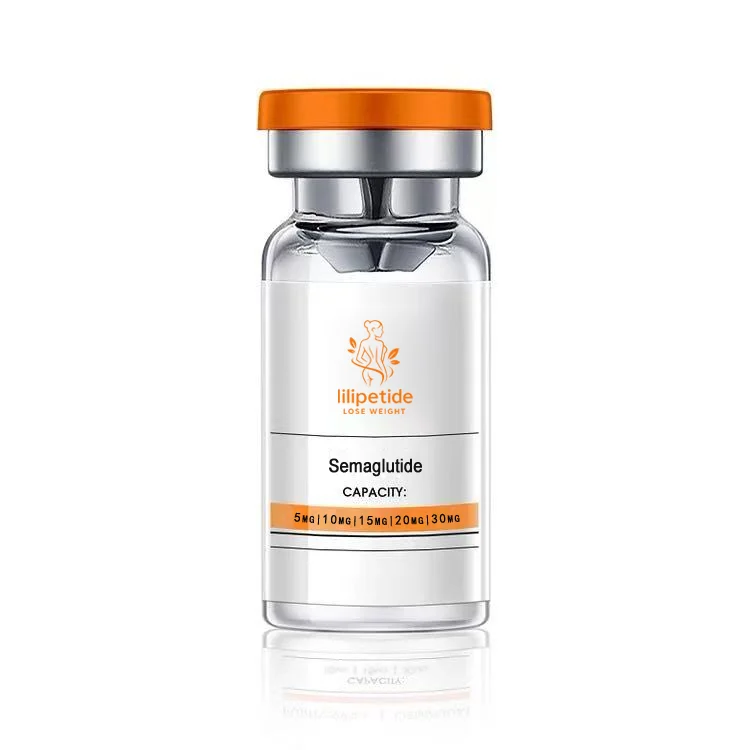
Semaglutide
Semaglutide is a synthetic peptide (modified GLP-1 analog) consisting of 31 amino acids. It is structurally similar to human GLP-1 but modified for enhanced stability and longer duration of action.
Properties:
- Molecular weight: approximately 4,113 Daltons
- Formulation: Injectable (subcutaneous)
- Half-life: approximately 7 days
- Dosing: Once weekly
Brand Names:
- Ozempic: Type 2 diabetes treatment
- Wegovy: Obesity treatment (higher dose)
- Rybelsus: Oral formulation
How It Works: The Mechanism of Action
Semaglutide exerts its effects by binding to and activating GLP-1 receptors throughout the body:
Appetite Suppression
- Slows gastric emptying (food stays in stomach longer)
- Activates GLP-1 receptors in hypothalamus
- Reduces hunger and food cravings
- Promotes satiety (feeling full)
Metabolic Effects
- Enhances insulin secretion when blood glucose is elevated
- Reduces glucagon ( hormone that raises blood sugar)
- Improves insulin sensitivity
- Promotes weight loss through calorie deficit
Multiple Receptor Sites
- Pancreas: Enhanced insulin release
- Brain: Appetite regulation
- Stomach: Delayed emptying
- Liver: Reduced glucose production
Biological Functions and Roles
Weight Loss
The primary function of semaglutide for obesity treatment involves sustained weight reduction:
How It Produces Weight Loss:
- Appetite reduction leads to lower calorie intake
- Slower digestion promotes fullness
- Reduced cravings for high-calorie foods
- Metabolism support continues even at rest
Expected Weight Loss:
- Clinical trials: 15-20% body weight loss over 68-104 weeks
- Most users lose 10-15% within first 6 months
- Results vary by individual
Glycemic Control
For diabetes treatment:
- Enhanced glucose-dependent insulin secretion
- Reduced glucagon secretion
- Improved HbA1c (average blood sugar)
- Lower fasting glucose levels
Cardiovascular Benefits
Research demonstrates cardiovascular risk reduction:
- Reduced major cardiovascular events
- Lower blood pressure
- Improved lipid profiles
- Reduced inflammation markers
Clinical Research and Evidence
Key Studies
STEP Program (Semaglutide Treatment Effect in People with Obesity):
- STEP 1: 17.4% weight loss at 68 weeks
- STEP 2: 17.6% weight loss with active lifestyle intervention
- STEP 3: 16% weight loss in lifestyle intervention group
- STEP 4: 18.2% weight loss (maintenance)
- STEP 5: 15-18% weight loss over 2 years
SUSTAIN Trials (Diabetes):
- SUSTAIN-1 through SUSTAIN-7
- Significant HbA1c reduction
- Weight loss of 4-10 pounds typically
- Cardiovascular outcome benefits demonstrated
Real-World Effectiveness
Clinical practice mirrors clinical trial results:
- Average 15%+ weight loss achievable
- Significant metabolic improvements
- High patient satisfaction with weekly dosing
- Sustained results with continued use
Dosing and Administration
Available Formulations
Injectable (Subcutaneous):
| Brand | Indication | Typical Dose Range |
|---|---|---|
| Ozempic | Type 2 Diabetes | 0.25mg – 2mg weekly |
| Wegovy | Obesity | 0.25mg – 2.4mg weekly |
Oral (Rybelsus):
- 3mg, 7mg, 14mg tablets
- Taken once daily
Starting Protocol
Standard Titration:
| Week | Ozempic/Wegovy Dose |
|---|---|
| 1-4 | 0.25mg weekly |
| 5-8 | 0.5mg weekly |
| 9-12 | 1.0mg weekly |
| 13+ | 2.0mg weekly (or target) |
Note: Titration pace may be adjusted based on tolerance.
Administration
- Inject subcutaneously (under skin)
- Same day each week
- Any time of day (with or without food)
- Rotating injection sites recommended
- Can self-administer after training
Safety Profile and Considerations
Common Side Effects
Most frequently observed:
- Nausea (most common)
- Vomiting
- Diarrhea
- Constipation
- Abdominal pain
- Injection site reactions
Note: Side effects typically occur early and diminish over time.
Managing Side Effects
Nausea Management:
- Start with lower dose
- Eat smaller, more frequent meals
- Avoid lying down after eating
- Stay hydrated
Serious Considerations
Pancreatitis: Reported rarely. Seek medical attention for severe abdominal pain.
Gallbladder Issues: Increased risk of gallstones reported.
Thyroid C-Cell Tumors: Contraindicated in personal/family history of medullary thyroid carcinoma.
Pregnancy: Not recommended during pregnancy; stop prior to attempts.
Contraindications
- Personal history of medullary thyroid carcinoma
- Multiple Endocrine Neoplasia syndrome type 2
- Pregnancy
- Severe gastrointestinal disease
Comparison with Other Approaches
vs. Other GLP-1 Agonists
| Property | Semaglutide | Tirzepatide | Liraglutide |
|---|---|---|---|
| Dosing | Weekly | Weekly | Daily |
| Weight Loss | 15-17% | 20-25% | 10-12% |
| Effectiveness | High | Highest | Moderate |
| Side Effects | Similar | Similar | Similar |
vs. Traditional Weight Loss
| Approach | Weight Loss | Method | Invasiveness |
|---|---|---|---|
| Semaglutide | 15-20% | Medication | None |
| Diet/Exercise | 5-10% | Lifestyle | None |
| Bariatric Surgery | 25-35% | Surgical | High |
Potential Benefits and Applications
Primary Applications
Obesity Treatment:
- Adults with BMI ≥30
- Adults with BMI ≥27 with weight-related condition
- Long-term weight management
Type 2 Diabetes:
- Blood sugar control
- Cardiovascular risk reduction
- Weight management
Additional Benefits
- Reduced blood pressure
- Improved cholesterol
- Better metabolic markers
- Reduced sleep apnea severity
- Improved quality of life
The Future of Semaglutide
Development Trends
- Combination formulations in development
- Oral version expansion
- New indication research
- Combination with other agents
Upcoming Options
- Oral semaglutide expansion
- Higher dose formulations
- Combination therapies
Conclusion
Semaglutide represents one of the most effective medications available for obesity and type 2 diabetes treatment. Its once-weekly dosing, substantial weight loss outcomes, and favorable safety profile make it a first-line consideration for medical weight management.
The potential benefits include 15-20% body weight loss, improved glycemic control, and reduced cardiovascular risk. However, appropriate medical supervision is essential for safe use, and patients should consult with qualified healthcare providers to determine if semaglutide is appropriate for their situation.
Reviews
There are no reviews yet.