
Description
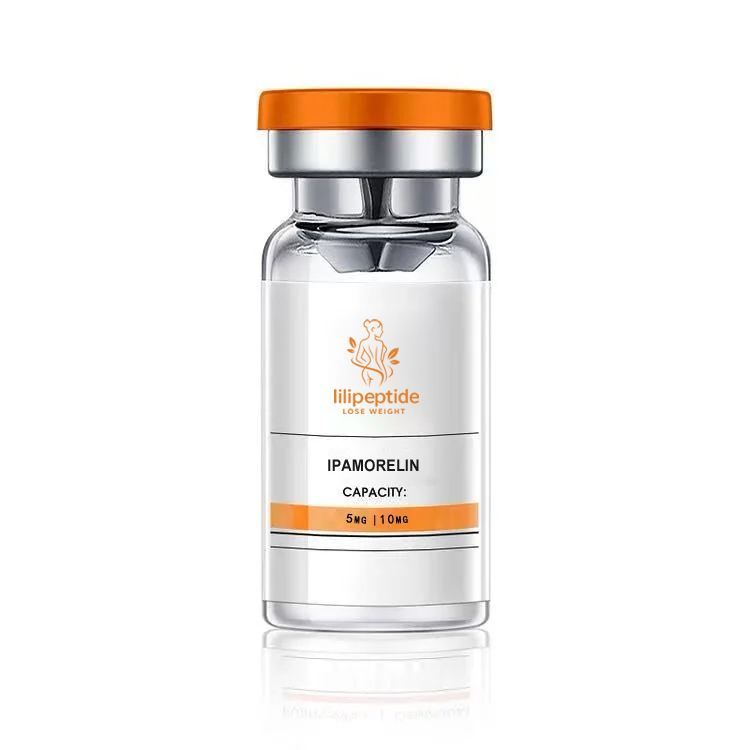
Ipamorelin
Ipamorelin is a synthetic pentapeptide (5 amino acids) with the sequence:
Ala-His-D-2-Nal-Ala-CH₂
The chemical designation is: N-(1-Phenyl(pyridin-2-yl)methyl)histidyl-2-naphthylalanyl-D-alaninamide
Properties:
- Molecular weight: approximately 613 Daltons
- Half-life: relatively short (typically hours)
- Purity: typically 97-99% in research formulations
- Route: subcutaneous injection
How It Works: The Mechanism of Action
Ipamorelin exerts its effects by binding to the ghrelin receptor (GHSR-1a), also known as the growth hormone secretagogue receptor:
GHRELIN Receptor Activation
- Binds specifically to GHSR-1a
- Does NOT require GHRH stimulation
- Works through direct pituitary stimulation
- Mimics natural ghrelin effects
GH Release Mechanism
- Stimulates somatotroph cells in pituitary
- Releases stored growth hormone
- Increases pulse amplitude
- Naturally increases IGF-1 levels
Selectivity Properties
What makes Ipamorelin distinctive:
- Minimal cortisol elevation
- Minimal prolactin increase
- Reduced appetite effect compared to GHRP-2/6
- More selective GH release
Biological Functions and Roles
Growth Hormone Stimulation
The primary function involves GH release:
GH Release Profile
- Significant GH increases (dose-dependent)
- Return to baseline within hours
- Pulsatile release pattern
- No sustained GH elevation
IGF-1 Enhancement
- Leads to IGF-1 increases
- Supports muscle, bone, cartilage
- Mediates many GH effects
Body Composition Support
Ipamorelin supports body composition through:
- Muscle Protein Synthesis: Supports muscle growth
- Fat Metabolism: Enhanced lipolysis
- Connective Tissue: Collagen support
- Bone Health: IGF-1 mediated bone support
Recovery and Healing
Research has explored Ipamorelin for:
- Muscle injury recovery
- Tendon/ligament support
- Wound healing support
- General tissue repair
Research and Clinical Evidence
Preclinical Findings
Extensive animal research has demonstrated:
- Significant GH release in various models
- Minimal side effects compared to other GHRPs
- Body composition improvements
- Generally favorable safety profile
Human Data
Limited but growing human research:
- Demonstrates GH release in humans
- Generally well-tolerated
- Similar side effect profile to other GHRPs
- Growing use in research and wellness
Key Distinction
Ipamorelin’s primary advantage over other GHRPs:
| Property | Ipamorelin | GHRP-2 | GHRP-6 |
|---|---|---|---|
| GH Release | Strong | Very Strong | Strong |
| Selectivity | High | Moderate | Low |
| Cortisol Effect | Minimal | Moderate | Higher |
| Prolactin Effect | Minimal | Moderate | Higher |
| Appetite | Mild | Marked | Marked |
Dosing and Administration
Typical Protocols
Research Dosing:
| Dose Range | Frequency |
|---|---|
| 100-200 mcg | 1-2x daily |
| 200-300 mcg | 2-3x daily |
Standard Protocol:
- Dose: 200mcg (0.2mg)
- Frequency: 2-3x daily
- Timing: Before meals (typically 30 min before)
- Duration: 8-12 weeks typical
- Cycling: 8 weeks on/4 weeks off
Stacking with CJC-1295
Ipamorelin is commonly stacked with CJC-1295 (GHRH analog):
| Component | Dose |
|---|---|
| CJC-1295 NO DAC | 2mg |
| Ipamorelin | 200mcg |
| Frequency | 2x daily |
This combination produces enhanced GH release through dual pathway stimulation.
Safety Profile and Considerations
Observed Effects
Ipamorelin is generally well-tolerated:
Common Effects (may include):
- Injection site reactions (mild)
- Temporary water retention (less common than other GHRPs)
- Mild headaches (rare)
- Tingly sensation (uncommon)
Notable Advantages:
- Lower cortisol elevation than alternatives
- Less prolactin impact
- Reduced appetite stimulation
- Generally the most well-tolerated GHRP
Medical Supervision
Ipamorelin should only be used under appropriate medical supervision:
- Comprehensive evaluation before use
- IGF-1 monitoring may be recommended
- Protocol adjustment as needed
- Healthcare provider guidance essential
Contraindications
Medical evaluation essential for:
- Active cancer or tumor concerns
- Pituitary disorders
- Cardiovascular conditions
- Pregnancy/breastfeeding
- Certain medications
Warning Considerations
- Not approved for clinical use
- Limited long-term human data
- Quality and sourcing vary significantly
- Use only under qualified supervision
Comparison with Other GHRPs
GHRP Family Overview
| Peptide | Selectivity | GH Effect | Side Effects | Notes |
|---|---|---|---|---|
| Ipamorelin | High | Strong | Low | Most selective |
| GHRP-2 | Moderate | Very Strong | Moderate | Commonly used |
| GHRP-6 | Low | Strong | Higher | More appetite |
| Hexarelin | Moderate | Very Strong | Higher | May cause tolerance |
Ipamorelin vs. GHRP-2
Ipamorelin Advantages:
- More selective GH release
- Fewer side effects
- Better tolerated
- Less appetite effect
GHRP-2 Advantages:
- May produce slightly higher GH
- More research available
- Sometimes more cost-effective
Quality and Sourcing
Importance of Quality
Quality is critical for Ipamorelin:
- Third-party testing essential (MS/COA)
- Certificate of Analysis required
- Reputable manufacturers only
- Proper storage/handling required
- Purity should be 97%+ minimum
Warning Signs
Exercise caution with products that:
- Lack third-party verification
- Have no COA available
- Pricing too good to be true
- Cannot verify manufacturer
Storage
- Refrigerate unopened products
- Use within expiration
- Protect from light
- Avoid contamination
Potential Applications
Primary Applications
- Growth hormone enhancement
- Body composition support
- Recovery from training
- Tissue repair support
Secondary Applications
- Sleep quality support (GH-related)
- Joint and connective tissue health
- Metabolic function support
Conclusion
Ipamorelin represents one of the most selective and well-tolerated Growth Hormone-Releasing Peptides available for research. Its unique combination of strong GH stimulation with minimal side effects makes it a preferred choice for many researchers and practitioners.
The potential benefits include significant growth hormone enhancement, body composition support, and tissue recovery. However, appropriate medical supervision is essential, and patients should consult with qualified healthcare providers before considering any use.
Reviews
There are no reviews yet.