
Description
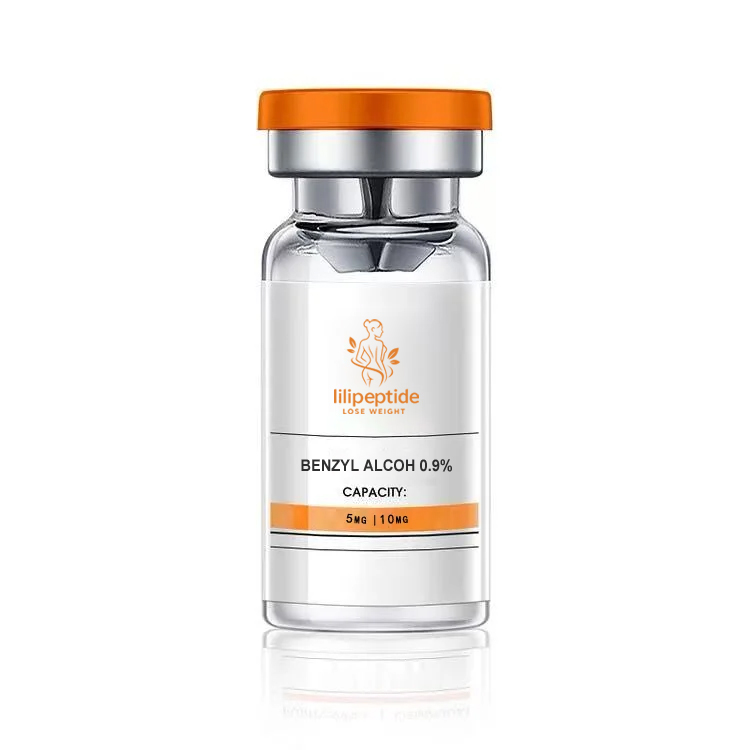
BA3 Benzyl Alcoh 0.9%
Benzyl alcohol is an aromatic alcohol that occurs naturally in some essential oils (jasmine, ylang-ylang) and can also be synthesized. Its chemical structure consists of a benzene ring attached to a hydroxymethyl group:
Physical Properties:
- Molecular weight: 108.14 g/mol
- Appearance: Clear, colorless liquid
- Odor: Slight aromatic, pleasant
- Boiling point: 205°C
- Soluble in water and organic solvents
Why 0.9%?
The 0.9% concentration is significant because:
- Preservative Effectiveness: This concentration provides effective antimicrobial preservation against bacteria, fungi, and yeast
- Safety Profile: Below concentrations associated with significant irritation or toxicity
- Regulatory Acceptance: Approved for use in injectable formulations by major regulatory agencies
Role in Peptide Formulations
Primary Functions
In peptide formulations, benzyl alcohol 0.9% serves critical functions:
Antimicrobial Preservation Benzyl alcohol prevents microbial growth in peptide solutions, extending shelf life and ensuring safety. This is essential for multi-dose vials that may be accessed repeatedly.
Stability Support By preventing microbial contamination, benzyl alcohol helps maintain peptide stability and potency throughout storage.
Formulation Compatibility Benzyl alcohol is compatible with most peptides and does not significantly affect their stability or biological activity.
BA3 Designation
The notation “BA3” typically refers to:
- BA: Benzyl Alcohol
- 3: The formulation batch or version
This is manufacturer-specific notation indicating a particular formulation configuration.
Safety Profile and Considerations
Generally Recognized as Safe (GRAS)
Benzyl alcohol at concentrations up to 5% is generally recognized as safe for pharmaceutical use. The 0.9% concentration is well below levels associated with significant concerns.
Common Concentrations Used
| Concentration | Application |
|---|---|
| 0.9% | Injectable peptides |
| 1% | Standard preservatives |
| 2-5% | Topical formulations |
Potential Side Effects
At the 0.9% concentration, side effects are uncommon but may include:
- Local irritation at injection site (rare)
- Allergic reactions (extremely rare)
- Transient discomfort
Contraindications
Benzyl alcohol should be avoided in:
- Known sensitivity to benzyl alcohol
- Certain neonatal applications (high-volume exposure)
- Specific religious or ethical considerations
Technical Specifications
Pharmaceutical Standards
Benzyl alcohol for pharmaceutical use must meet specific standards:
- USP/NF Grade: Meeting United States Pharmacopeia standards
- Purity: Typically 99%+ pure
- Sterility: Free from microbial contamination
- Endotoxin Testing: Where applicable
Quality_control
Reputable manufacturers provide:
- Certificate of Analysis (COA)
- Purity testing results
- Microbial testing documentation
- Stability data
Comparison with Other Preservatives
Phenoxyethanol
| Property | Benzyl Alcohol 0.9% | Phenoxyethanol |
|---|---|---|
| Antimicrobial | Broad spectrum | Broad spectrum |
| Use | Injectable | Topical/Injectable |
| irritation | Low | Very low |
| Odor | Slight aromatic | None |
Other Preservatives
Other preservatives used in peptide formulations include:
- Metacresol
- Phenol
- Chlorobutanol
- Methylparaben
Each has different properties and applications.
Storage and Handling
Storage Requirements
- Room temperature (15-30°C) typically acceptable
- Protect from light
- Keep tightly sealed
- Avoid contamination
Stability
Benzyl alcohol 0.9% contributes to formulation stability:
- Extends shelf life
- Maintains sterility
- Preserves peptide potency
Regulatory Status
FDA Approval
Benzyl alcohol is approved for use in pharmaceutical formulations:
- Injectable: Up to 0.9%
- Topical: Up to 5%
- Oral: Various concentrations
International Standards
- EMA (European Medicines Agency): Approved
- WHO: Approved for pharmaceutical use
- Pharmacopeias: USP, EP included
Common Questions
Is Benzyl Alcohol Safe?
Yes, at 0.9%, benzyl alcohol has an excellent safety profile based on decades of pharmaceutical use.
Will It Affect My Peptide?
At 0.9%, benzyl alcohol is generally compatible with most peptides and does not significantly affect their activity.
What If I’m Allergic?
True benzyl alcohol allergy is extremely rare. If suspected, consultation with a healthcare provider is recommended.
Is It Vegan?
Benzyl alcohol can be synthesized or derived from natural sources. Most pharmaceutical-grade is synthetic.
Conclusion
Benzyl alcohol at 0.9% serves as a standard, well-established preservative in peptide and pharmaceutical formulations. Its primary role is maintaining sterility and extending shelf life without significantly affecting peptide stability or biological activity.
The key points about benzyl alcohol 0.9%:
- Effective antimicrobial preservative
- Excellent safety profile
- Widely used in pharmaceutical industry
- Essential for multi-dose peptide formulations
For patients using peptide formulations containing benzyl alcohol 0.9%, the preservative ensures product safety and effectiveness throughout the storage period.
Reviews
There are no reviews yet.