
Description
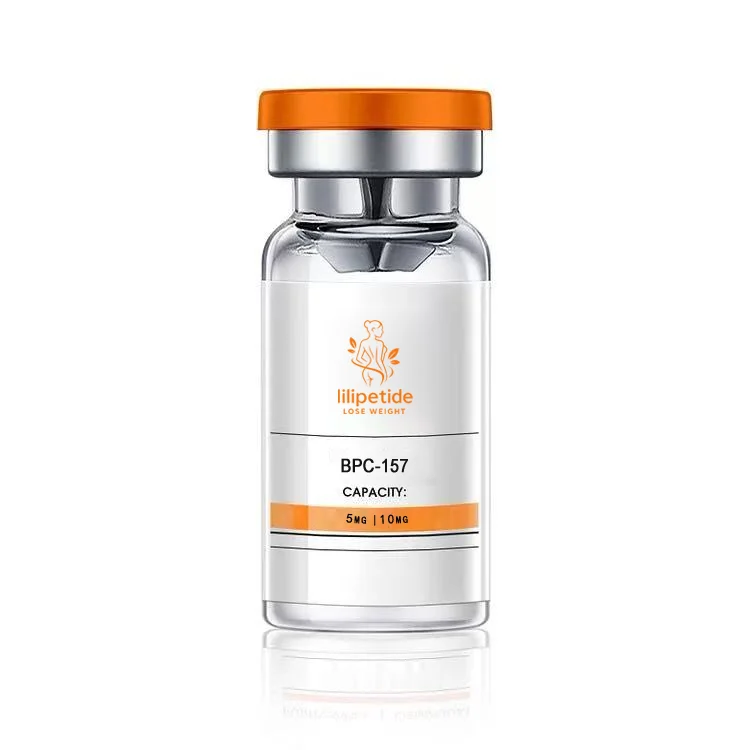
BPC-157
BPC-157 is a pentadecapeptide composed of 15 amino acids with the sequence:
Gly-Glu-Pro-Arg-Pro-Gly-Gly-Pro-Pro-Ala-Gly-Pro-Gly-Gly-Ala-
Its molecular weight is approximately 1,415 Daltons, making it a small, stable peptide that can be administered through various routes including subcutaneous injection, topical application, and potentially oral administration in certain formulations.
Originally discovered in human gastric juice, BPC-157 occurs naturally in the stomach, where it likely plays a role in maintaining gastric mucosal integrity. Its presence in the stomach and the stability of its peptide bonds contribute to its resistance to enzymatic breakdown.
How It Works: The Mechanism of Action
BPC-157 exerts its effects through multiple interconnected mechanisms:
Angiogenesis Promotion BPC-157 stimulates the formation of new blood vessels (angiogenesis) through upregulation of VEGF (Vascular Endothelial Growth Factor) and other angiogenic factors. This enhanced blood supply delivers nutrients and oxygen to healing tissues, accelerating the repair process.
Nitric Oxide Pathway BPC-157 promotes nitric oxide (NO) production through stimulation of eNOS (endothelial nitric oxide synthase). Nitric oxide is a vasodilator that improves blood flow and supports cardiovascular function during healing.
Collagen Synthesis and Fibroblast Activation BPC-157 stimulates fibroblast activity and collagen synthesis. Fibroblasts are the cells responsible for producing collagen, the primary structural protein in connective tissues. Enhanced fibroblast function strengthens healing tissues.
Cell Adhesion and Migration The peptide influences cell adhesion molecules, promoting the migration of repair cells to sites of injury. This brings necessary cellular components to healing tissues.
Growth Factor Modulation BPC-157 interacts with various growth factor systems, including:
- VEGF (Vascular Endothelial Growth Factor)
- EGF (Epidermal Growth Factor)
- PDGF (Platelet-Derived Growth Factor)
FAP (Fibroblast Activation Protein) Recent research has identified fibroblast activation protein as a potential receptor mediating some of BPC-157’s effects, providing a potential explanation for its tissue-specific activities.
Biological Functions and Roles
Gastrointestinal System
BPC-157 was originally discovered for its effects on the gastrointestinal system. Research has demonstrated:
- Protection against gastric ulcers
- Support for intestinal integrity
- Healing of intestinal wounds and fistulas
- Protection against NSAID-induced gastric damage
The stomach-protective effects helped establish BPC-157’s reputation as a “body protection compound.”
Musculoskeletal System
One of the most significant areas of BPC-157 research involves musculoskeletal tissues:
Muscle Healing BPC-157 promotes muscle regeneration through enhanced satellite cell activity, collagen synthesis, and angiogenesis. Studies in muscle injury models have demonstrated accelerated healing.
Tendon and Ligament Repair Research has shown BPC-157 can accelerate tendon and ligament healing. The peptide appears to promote fibroblast proliferation and collagen organization in these connective tissues.
Cartilage and Joint Health BPC-157 has demonstrated effects on cartilage tissues, including supporting matrix production and protecting against degradation. This has generated interest in joint health applications.
Bone Healing Studies have explored BPC-157’s effects on bone healing, with some evidence supporting enhanced bone repair and strength.
Wound Healing
BPC-157 accelerates wound healing through multiple mechanisms:
- Enhanced angiogenesis
- Increased fibroblast activity
- Improved collagen deposition
- Reduced inflammation
Cardiovascular System
Research has explored cardiovascular effects, including:
- Protection against heart damage
- Improvement of blood flow
- Support for vascular integrity
Potential Benefits and Applications
Tissue Repair and Healing
The primary application of BPC-157 involves supporting tissue repair:
- Muscle strains and tears
- Tendon injuries
- Ligament sprains
- Joint capsule injuries
- Chronic soft tissue issues
Gastrointestinal Health
Research has explored BPC-157 for:
- Gastric ulcer support
- Inflammatory digestive conditions
- Leaky gut support
Athletic Recovery
BPC-157 has been explored in athletic settings for:
- Training recovery support
- Injury prevention (theoretical)
- Post-surgical recovery
Wound Care
Medical applications have included:
- Chronic wound support
- Surgical wound healing
- Burn treatment
Dosing and Administration
Common Protocols
Typical dosing in research settings:
Standard Use:
- 250-500 mcg daily
- Subcutaneous injection
- Duration: 4-8 weeks
Intensive Use:
- 500 mcg – 1 mg daily
- Subcutaneous injection
- Duration: 4-8 weeks
Maintenance Protocol:
- 250-500 mcg every other day or 2-3 times weekly
- Ongoing based on goals
Routes of Administration
- Subcutaneous injection: Most common for systemic effects
- Topical application: For localized skin effects
- Oral: Available in some formulations (reduced absorption)
- Local injection: At specific injury sites
Cycling
Common approaches:
- 4-8 weeks of use followed by equal break
- As-needed for acute injuries
- Maintenance protocols for chronic issues
Safety Profile and Considerations
Current Understanding of Safety
Research suggests BPC is generally well-tolerated at studied doses. Observed effects have been typically mild:
- Temporary redness at injection site (less common with subcutaneous)
- Headache (rare)
- Dizziness (rare)
Medical Supervision
BPC- should only be used under appropriate medical supervision:
- Comprehensive evaluation before use
- Monitoring for effects
- Protocol adjustment as needed
Contraindications and Precautions
Medical evaluation is essential for:
- Pregnancy or breastfeeding
- Active cancer or suspicious growths
- Current medications
- Active medical conditions
Important Considerations
Limited long-term human data exists. Most safety data comes from animal studies and short-term human observations.
Comparison with Other Peptides
BPC- vs. TB-500
| Feature | BPC-157 | TB-500 |
|---|---|---|
| Primary Focus | Collagen, tissue integrity | Cell migration, regeneration |
| Angiogenesis | Strong | Strong |
| Anti-inflammatory | Moderate | Strong |
| Mechanism | Direct tissue healing | Cellular regeneration |
Both are complementary and often used together.
BPC- vs. GHK-Cu
| Feature | BPC-157 | GHK-Cu |
|---|---|---|
| Focus | General tissue repair | Skin, copper delivery |
| Primary Tissues | Muscle, tendon, GI | Skin, wound |
| Mechanism | Growth factors | Collagen + copper |
Different mechanisms make combining them potentially beneficial.
Quality and Sourcing
Importance of Quality
The quality of BPC-157 products varies significantly:
- Third-party testing essential
- Certificate of Analysis (COA) availability
- Reputable manufacturers required
- Proper storage and handling
Warning Signs of Poor Quality
Exercise caution with products that:
- Lack third-party testing
- Have unrealistic pricing
- Cannot verify manufacturing sources
The Future of BPC- Research
Ongoing Investigations
Research continues into:
- Optimal dosing protocols
- New tissue applications
- Mechanism refinement
- Human clinical trials
Potential Developments
Future directions may include:
- Enhanced formulations
- New delivery methods
- Combination therapies
Conclusion
BPC-157 represents one of the most promising and well-researched peptides in tissue repair and regeneration. Its multi-tissue effects, relatively favorable safety profile in research, and documented mechanisms make it an area of significant scientific interest.
The potential benefits of BPC-include support for tissue repair, wound healing, gastrointestinal health, and musculoskeletal recovery. However, as with any research compound, appropriate medical supervision is essential for safe use, and patients should consult with qualified healthcare providers before considering any supplementation.
Reviews
There are no reviews yet.