
Description
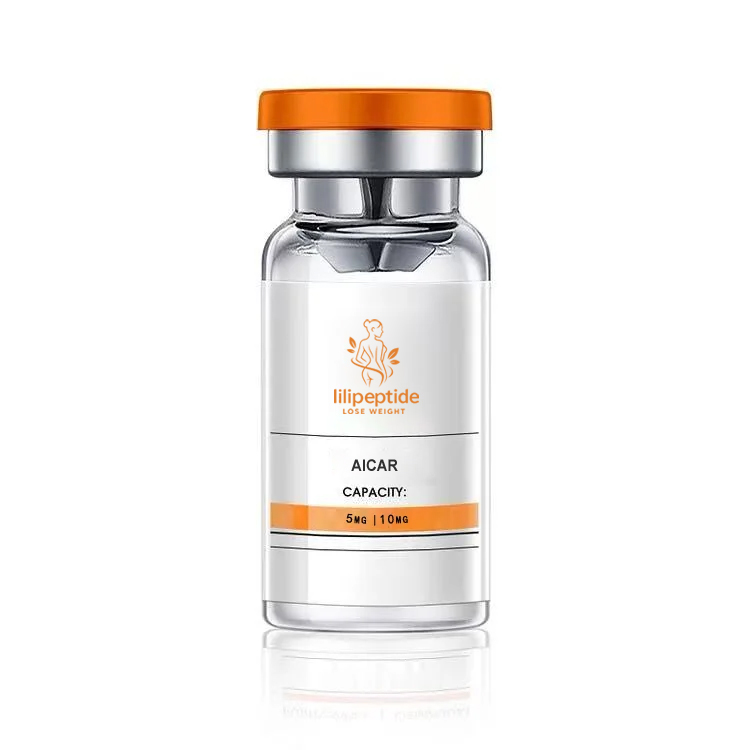
Aicar
AICAR is a phosphorylated adenosine analog with the chemical formula C₉H₁₄N₄O₈P. In its natural form, it serves as an intermediate in the purine nucleotide biosynthesis pathway.
Key Properties:
- Molecular weight: 348.21 g/mol
- Also known as: ZMP (Z-5-Phosphoribosyl-1-pyrophosphate)
- Naturally occurring in all cells
- Cell-permeable in its riboside form (AICARiboside)
How It Works: The Mechanism of Action
AICAR exerts its primary effects through AMPK activation:
AMPK Activation AICAR mimics AMP (adenosine monophosphate), the natural energy sensor of the cell. When AICAR binds to AMPK, it activates this enzyme, triggering the metabolic switch that shifts cells from energy storage to energy consumption modes.
AMPK Activation Triggers:
- Increased glucose uptake in muscles
- Enhanced fatty acid oxidation
- Reduced glucose production in liver
- Increased mitochondrial biogenesis
- Improved insulin sensitivity
The activated AMPK essentially tells cells there is an energy crisis, prompting them to burn more fuel and become more metabolically active.
Biological Functions and Roles
Metabolic Regulation
AICAR’s primary function involves metabolic regulation:
In Skeletal Muscle:
- Increased glucose uptake (similar to exercise)
- Enhanced fatty acid oxidation
- Improved insulin sensitivity
- Increased mitochondrial activity
In the Liver:
- Reduced glucose production
- Decreased gluconeogenesis
- Improved lipid metabolism
In Adipose Tissue:
- Enhanced lipolysis
- Reduced lipid storage
Exercise Mimetic Effects
One of the most significant properties of AICAR is its ability to mimic exercise effects:
- Increased running endurance (up to 80% in some mouse studies)
- Enhanced metabolic flexibility
- Improved cardiorespiratory capacity
Potential Benefits and Applications
Metabolic Health
Research suggests AICAR may benefit:
- Type 2 diabetes and insulin resistance
- Obesity and excess fat storage
- Metabolic syndrome
- Non-alcoholic fatty liver disease (NAFLD)
Athletic Performance
AICAR has been studied for potential performance enhancement:
- Increased endurance capacity
- Enhanced fat burning during exercise
- Improved metabolic efficiency
Anti-Aging and Longevity
AMPK activation has been associated with:
- Extended lifespan in various models
- Improved cellular health
- Reduction of age-related metabolic decline
Research and Evidence
Preclinical Findings
Extensive preclinical research has demonstrated:
- Endurance enhancement in mice
- Metabolic improvements in obesity models
- Protection against metabolic disease
- Improved insulin sensitivity
Human Studies
Human research is more limited:
- Some studies show increased insulin sensitivity
- Effects on glucose metabolism documented
- Generally well-tolerated at studied doses
Important Note on Sports
AICA is banned by WADA (World Anti-Doping Agency) and most athletic organizations due to its exercise-mimetic properties. Use in competitive sports is prohibited.
Safety Profile and Considerations
Current Understanding
Research suggests AICAR is generally well-tolerated:
- Most commonly observed: Temporary discomfort at injection site
- Rare: Headache, nausea
- Generally favorable safety profile in studies
Medical Supervision
AICA should only be used under appropriate medical supervision:
- Comprehensive evaluation before use
- Monitoring for effects
- Protocol adjustment as needed
Contraindications
Not appropriate for:
- Pregnancy/breastfeeding
- Active cardiovascular conditions
- Cancer (theoretical concerns with cell proliferation)
Comparison with Other Approaches
AICA vs. Exercise
| Aspect | AICAR | Exercise |
|---|---|---|
| Endurance benefit | Yes | Yes |
| Muscle building | Limited | Yes |
| Cardiovascular | Limited | Yes |
| Mental health | Not fully studied | Significant |
| Side effects | Possible | Generally safe |
AICAR vs. Other AMPK Activators
- Metformin: Different mechanism; activates indirectly
- Berberine: Natural compound; less potent
- AICA: Direct AMPK activator
Dosing and Administration
Research Dosing
Typical research protocols:
- 200-500 mg/kg body weight in studies
- Daily or twice daily in acute protocols
- Various protocols for chronic research
Administration Routes
- Intraperitoneal injection (research)
- Subcutaneous injection
- Oral (limited bioavailability)
The Future of AICAR Research
Ongoing Investigations
Research continues into:
- Optimal dosing protocols
- New applications
- Mechanism refinement
Potential Developments
Future directions may include:
- Enhanced delivery methods
- Combination approaches
- Pharmaceutical development
Conclusion
AICAR represents one of the most potent known activators of AMPK, offering powerful metabolic effects that mirror exercise. Its ability to enhance endurance, improve insulin sensitivity, and activate cellular energy metabolism makes it one of the most promising metabolic compounds in research.
The potential benefits include improved metabolic health, enhanced endurance, and support for various aspects of metabolic function. However, legal restrictions and the need for medical supervision are essential considerations.
Reviews
There are no reviews yet.