
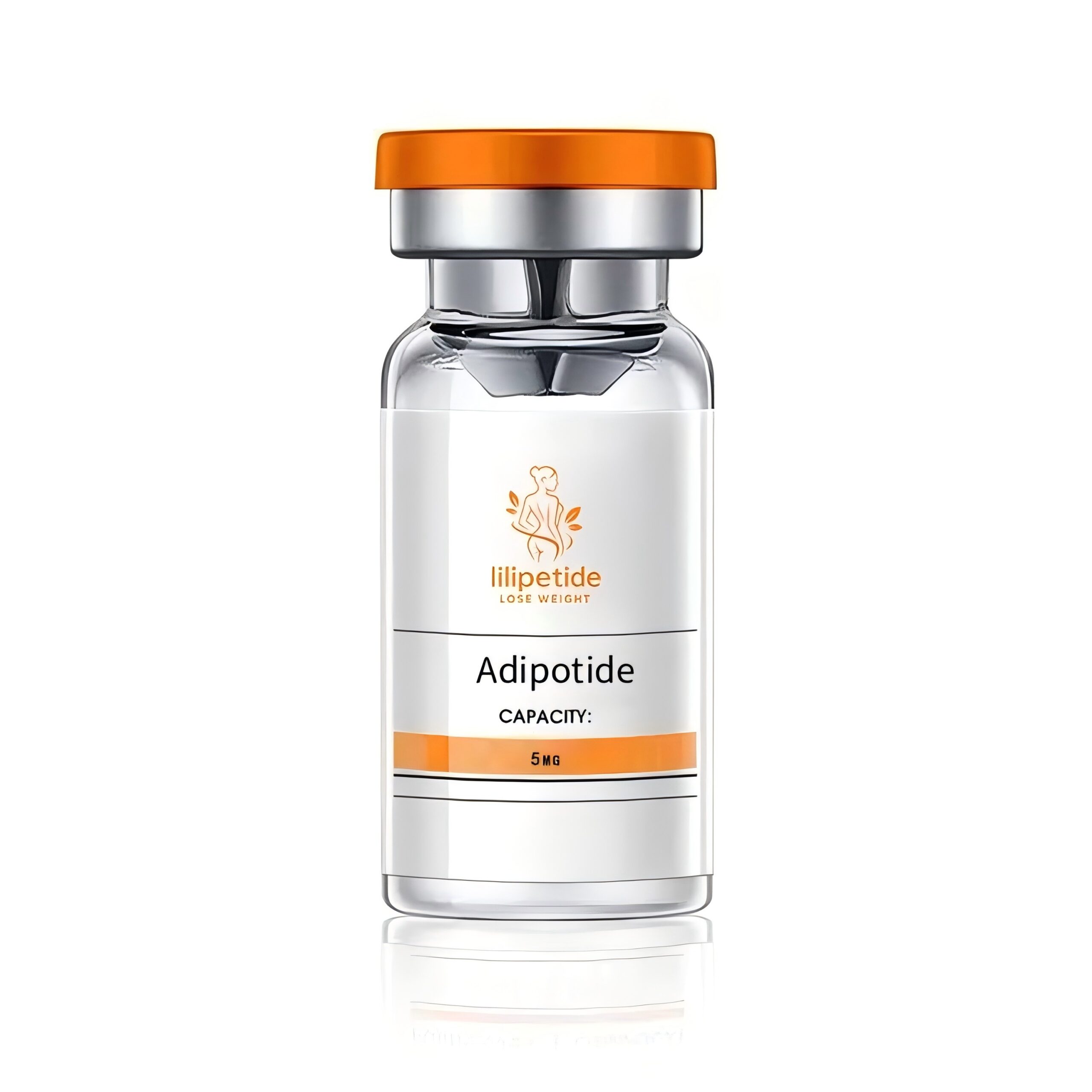
Description
Adipotide
Adipotide is a synthetic peptide consisting of 10 amino acids with the sequence:
CKGGRAKDC-GG-D/LLLT
The key components include:
- A targeting sequence that binds to prohibitin on adipocytes
- A pro-apoptotic (cell death-inducing) sequence
- A carrier peptide for cellular delivery
Properties:
- Molecular weight: approximately 2,000 Daltons
- Route: typically subcutaneous injection
- Target: white adipose tissue
How It Works: The Mechanism of Action
Adipotid exerts its effects through a specific mechanism:
Targeting Prohibitin
Prohibitin is a protein found in high concentrations on the surface of adipocytes (fat cells) and the endothelial cells that supply them. Adipotid binds specifically to prohibitin, targeting adipose tissue selectively.
Induction of Apoptosis
Once bound, Adipoti triggers a cascade that leads to:
- Apoptosis of adipocytes
- Reduction of blood supply to fat tissue
- Decrease in fat mass
- Improvement in metabolic parameters
Tissue Specificity
The targeting to prohibitin ensures that:
- Fat tissue is specifically targeted
- Muscle tissue is largely spared
- Other tissues are minimally affected
Biological Functions and Roles
Fat Reduction
The primary function of Adipotide involves direct fat reduction:
White Adipose Tissue Targeting
- Targets subcutaneous fat
- Targets visceral (internal) fat
- Reduces fat mass without muscle loss
Metabolic Improvements
- Improved insulin sensitivity
- Reduced leptin levels
- Improved glucose tolerance
- Reduced inflammation markers
Effects on Obesity-Related Conditions
Research has explored Adipotide for:
- Type 2 diabetes improvement
- Metabolic syndrome
- Non-alcoholic fatty liver disease (NAFLD)
- Cardiovascular risk reduction
Research and Evidence
Preclinical Findings
Animal studies have demonstrated impressive results:
- Up to 30% reduction in body fat in primates
- Significant improvement in insulin sensitivity
- No muscle loss observed
- Improved metabolic markers
Key Studies
Obese Rhesus Monkeys:
- Significant reduction in body fat
- Improved insulin sensitivity
- No significant side effects
- Maintained muscle mass
Diet-Induced Obese Rats:
- Reduced fat mass
- Improved glucose tolerance
- Reduced inflammatory markers
Human Studies
Limited human trials have been conducted. Phase 1 trials showed:
- Generally well-tolerated
- Preliminary evidence of fat reduction
- Need for more research
Safety Profile and Considerations
Observed Effects
In research studies:
- Injection site discomfort (common)
- Temporary kidney changes (reversible)
- Generally manageable side effects
Medical Supervision
Must be used under appropriate medical supervision:
- Comprehensive evaluation before use
- Regular monitoring
- Protocol adjustment as needed
Contraindications
Not appropriate for:
- Pregnancy/breastfeeding
- Active medical conditions
- Certain medications
Current Status and Future
Development Status
Adipotide has faced development challenges:
- Initial promise in preclinical research
- Limited human clinical development
- Ongoing research interest
Potential Applications
Future potential includes:
- Obesity treatment
- Metabolic syndrome
- Type 2 diabetes
- Cosmetic fat reduction
Conclusion
Adipotide represents one of the most innovative approaches to fat reduction, targeting the blood supply to adipose tissue specifically. Its selective targeting to prohibitin and induction of fat cell apoptosis make it unique among weight management compounds.
The potential benefits include significant fat reduction, improved metabolic parameters, and preservation of muscle mass. However, appropriate medical supervision is essential, and its development status remains limited.
Reviews
There are no reviews yet.