
Description
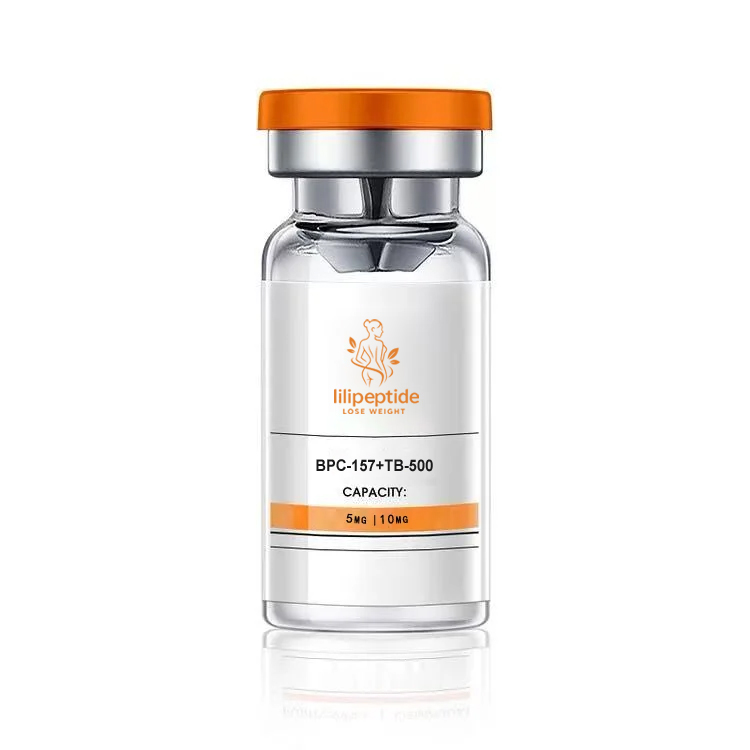
BPC-157 + TB-500
What Is BPC-157? BPC-157 is a pentadecapeptide composed of 15 amino acids (BCD) originally derived from human gastric juice. The name stands for “Body Protection Compound-157,” reflecting its and studied extensively for tissue-protective and healing properties. Its molecular weight is approximately 1,415 Daltons, making it a small, stable peptide that can be administered through various routes.
Mechanism of Action: BPC-157 works through multiple mechanisms:
-
Angiogenesis Promotion: Stimulates the formation of new blood vessels (angiogenesis), improving blood supply to healing tissues. This enhanced circulation delivers nutrients and oxygen essential for tissue repair.
-
Collagen Synthesis: Stimulates fibroblasts to produce collagen, the primary structural protein in connective tissues. This supports the strength and integrity of healing tissues.
-
Nitric Oxide Enhancement: Promotes nitric oxide production, which supports blood vessel dilation and tissue blood flow.
-
Growth Factor Modulation: Influences various growth factors that regulate cell proliferation and tissue regeneration.
-
FAP (Fibroblast Activation Protein): Studies have identified fibroblast activation protein as a potential receptor mediating BPC-157’s effects.
Tissue-Specific Effects: Research has explored BPC-157’s effects on:
- Muscle tissue and skeletal muscle regeneration
- Tendon and ligament healing
- Cartilage and joint health
- Gastrointestinal tract integrity and healing
- Wound healing and skin repair
- Bone healing
TB-500: The Regenerative Thymosin Derivative
What Is TB-500? TB-500 is a synthetic version of Thymosin Beta-4 (TB-4), a naturally occurring 43-amino acid peptide found in virtually all human cells. The “TB-500” designation refers to the synthetic formulation. Thymosin Beta-4 is one of the most abundant naturally occurring peptides in the body and plays crucial roles in cell migration, tissue regeneration, and embryonic development.
Mechanism of Action: TB-500 works through different mechanisms than BPC-157:
-
Cell Migration Promotion: Promotes the migration of cells to sites requiring repair. This is essential for bringing repair cells (fibroblasts, immune cells) to injured tissue.
-
Angiogenesis: Stimulates new blood vessel formation similar to BPC-157, though through potentially different pathways.
-
Stem Cell Differentiation: May influence stem cell differentiation toward tissue-specific cell types.
-
Anti-inflammatory Effects: Modulates inflammatory responses that could otherwise impede healing.
-
Actin Binding: TB-4 binds to actin, a key protein in cell structure and movement, affecting cell migration and differentiation.
Tissue-Specific Effects: Research has explored TB-500’s effects on:
- Muscle tissue repair and regeneration
- Cardiac tissue healing
- Wound healing
- Nerve tissue regeneration
- Tendon and ligament repair
How They Work Together
Complementary Mechanisms
The combination of BPC-157 and TB-500 provides complementary rather than redundant mechanisms. This is the key advantage of the combination:
| Mechanism | BPC-157 | TB-500 |
|---|---|---|
| Angiogenesis | Yes | Yes |
| Collagen Synthesis | Primary | Secondary |
| Cell Migration | Limited | Primary |
| Stem Cell Effects | Limited | Yes |
| Anti-inflammatory | Moderate | Primary |
| Growth Factor Effects | Primary | Moderate |
Potential Synergistic Effects
Combined, these peptides may:
- Enhance overall tissue repair through multiple pathways
- Support faster recovery from injuries
- Provide more comprehensive tissue protection
- Address different aspects of healing simultaneously
Potential Applications
Athletic Recovery
The combination has been explored for:
- Muscle strain recovery
- Tendon and ligament injury support
- Post-exercise muscle soreness
- Joint health maintenance
Wound Care
- Acute wound healing support
- Surgical recovery
- Chronic wound management
General Wellness
- Connective tissue health
- Joint comfort and mobility
- Overall tissue maintenance
Dosing and Administration
Typical Protocols
Common dosing approaches include:
For General Use:
- BPC-157: 250-500mcg daily
- TB-500: 2-2.5mg twice weekly
- Protocol duration: 4-8 weeks
For Intensive Use:
- BPC-157: 500mcg-1mg daily
- TB-500: 2-2.5mg every 2-3 days
- Protocol duration: 4-8 weeks
Administration Routes
Both peptides are typically administered through subcutaneous injection. Some research has explored topical application for localized effects.
Cycling
Common approaches include:
- 4-8 weeks on, 4-8 weeks off
- As-needed for acute issues
- Maintenance protocols for ongoing support
Safety Profile and Considerations
Current Understanding
Research to date suggests BPC-157 and TB-500 are generally well-tolerated at studied doses. Reported effects have been typically mild and include:
- Temporary redness at injection site
- Mild headache (less common)
- Rare reports of dizziness
Medical Supervision
This combination should only be used under appropriate medical supervision. Providers can:
- Assess individual suitability
- Monitor for effects
- Adjust protocols as needed
Contraindications and Precautions
Medical evaluation is essential for:
- Pregnancy or breastfeeding
- Active medical conditions
- Current medications
- History of cancer or suspicious growths
Comparison with Other Approaches
Each Peptide Alone vs. Combination
- BPC-157 alone: Excellent for tissue healing, collagen support
- TB-500 alone: Excellent for cell migration, regeneration, anti-inflammatory
- Combination: More comprehensive tissue support through complementary mechanisms
Compared to Standard Therapies
These peptides work through mechanisms different from conventional approaches, potentially offering benefits where standard therapies are incomplete.
Quality and Sourcing
Importance of Quality
The quality of peptide products varies significantly. Consider:
- Certificate of Analysis (COA) availability
- Third-party testing
- Reputable manufacturers
- Proper storage and handling
Warning Signs
Exercise caution with products:
- Lacking third-party testing
- Unrealistic pricing
- Unverifiable sources
The Future of Research
Ongoing Investigations
Research continues into:
- Optimal combination protocols
- New applications
- Long-term effects
- Mechanism refinement
Potential Developments
Future directions may include:
- Enhanced formulations
- Combination with other peptides
- New delivery methods
Conclusion
The combination of BPC-157 and TB-500 represents a comprehensive approach to tissue repair and regeneration through complementary mechanisms. Both peptides have demonstrated favorable safety profiles in research and offer distinct but synergistic benefits.
Reviews
There are no reviews yet.