

Description
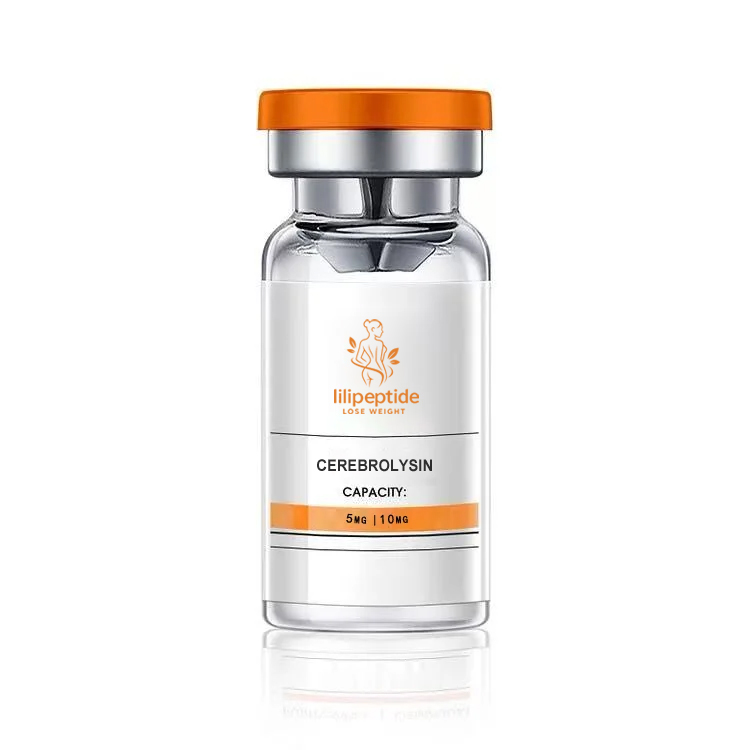
Cerebrolysin
Cerebrolysin is a biological preparation derived from porcine (pig) brain tissue through enzymatic hydrolysis. The process breaks down brain tissue into a mixture of low-molecular-weight peptides, free amino acids, and neurotrophic factors. This complex mixture includes various bioactive compounds that may influence neuronal function, including nerve growth factor (NGF) and brain-derived neurotrophic factor (BDNF)-like molecules.
The specific composition of Cerebrolys includes peptides ranging from 3,500 to 12,500 daltons in molecular weight, along with various free amino acids. The exact composition can vary between production batches, which has complicated standardization and research reproducibility.
How It Works: The Mechanism of Action
The mechanism of action for Cerebrolysin involves multiple neurotrophic effects. The peptide components may support nerve cell survival, promote dendrite and axon growth, and enhance synaptic plasticity. These effects appear to be mediated through activation of various intracellular signaling pathways involved in neuronal survival and function.
Research has suggested that Cerebrolysin may influence the activity of various neurotrophic factors and their receptors in the brain. The combined effect of multiple bioactive compounds may create a more comprehensive neurotrophic effect than any single component alone.
Biological Functions and Roles
Neurotrophic Activity
The primary function of Cerebrolys involves its neurotrophic activity—the ability to support the growth, survival, and function of nerve cells. Research has demonstrated that Cerebrolysin can promote neurite outgrowth in cell culture and support various parameters of neuronal health.
This neurotrophic activity has made Cerebrolys an area of interest for conditions involving neuronal dysfunction or degeneration.
Neuroprotection
Research has explored Cerebrolysin for potential neuroprotective effects. Studies have suggested it may protect neurons against various challenges, including oxidative stress, excitotoxicity, and metabolic compromise. These protective effects may be relevant for various neurological conditions.
Cognitive Function Support
One of the most studied applications of Cerebrolysin involves support for cognitive function. Research has investigated its use in conditions involving cognitive impairment, including vascular dementia, Alzheimer’s disease, and cognitive decline following stroke.
Clinical Applications and Evidence
Dementia Treatment
Cerebrolys has been studied extensively for dementia treatment, particularly in vascular dementia and Alzheimer’s disease. Several clinical trials have explored its effects on cognitive function, activities of daily living, and global function in these conditions. Results have been mixed, with some studies showing benefits while others have been inconclusive.
The largest and most rigorous studies have generally shown modest benefits in cognitive function, though the clinical significance of these effects has been debated.
Stroke Recovery
Research has explored Cerebrolys for post-stroke recovery, including motor function and cognitive recovery. Some studies have suggested benefits in these contexts, though more research is needed to confirm effects.
Other Neurological Conditions
Cerebrolys has been explored for various other neurological conditions, including traumatic brain injury, peripheral neuropathy, and various cognitive disorders. The evidence in these areas remains limited.
Safety Profile and Considerations
Generally Favorable Safety
Cerebrolys has demonstrated a generally favorable safety profile in clinical use. The most commonly reported side effects are typically mild and may include headache, dizziness, or gastrointestinal symptoms. Serious adverse reactions are rare.
As Cerebrolys is derived from animal tissue, concerns about allergic reactions or immunological responses have been raised, though these appear uncommon.
Medical Supervision Requirements
Cerebrolys should only be used under appropriate medical supervision from qualified healthcare providers. These providers can evaluate individual patient factors and determine whether specific interventions are appropriate.
Patients interested in Cerebrolys should consult with healthcare providers who can offer guidance based on current research and individual health circumstances.
Contraindications and Precautions
Cerebrolys may not be appropriate for all individuals. Contraindications may include certain neurological conditions, seizure disorders, and specific medical histories. Comprehensive medical evaluation is essential before considering any use.
Comparison with Other Approaches
Cerebrolysin vs. Standard Pharmacological Treatments
Unlike standard pharmacological treatments that target specific receptors or enzymes, Cerebrolys works through multiple neurotrophic mechanisms. This fundamental difference makes it distinct from most conventional neurological medications.
Cerebrolysin vs. Other Nootropics
Compared to other nootropic supplements, Cerebrolys has a more complex mechanism and larger molecular composition. However, the evidence base supporting its use is more limited than many other nootropics.
Controversies and Debates
The efficacy of Cerebrolys remains controversial in the international medical community. Some regulatory agencies have not approved it for clinical use, while others continue to use it in specific clinical settings.
Conclusion
Cerebrolysin represents a unique approach in neurology, offering a neuropeptide-based preparation with potential neurotrophic effects. Its complex composition and multi-faceted mechanism distinguish it from conventional pharmaceutical approaches. However, the evidence supporting its efficacy remains controversial and limited.


Reviews
There are no reviews yet.