
Description
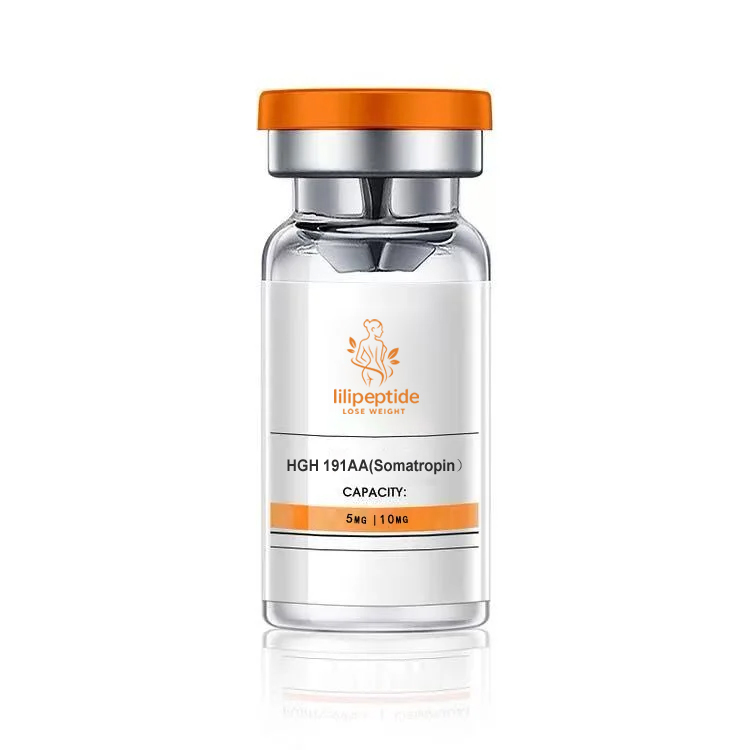
Somatropin
Somatropin is a recombinant DNA-engineered human growth hormone. It contains exactly 191 amino acids in the same sequence as natural pituitary-derived human growth hormone (HGH).
Key Properties:
- Molecular weight: approximately 22,124 Daltons
- Amino acids: 191 (same as natural HGH)
- Source: Recombinant DNA technology (E. coli or mammalian cells)
- Formulation: Injectable solution
- Identical to endogenous HGH
Brand Names:
- Genotropin
- Humatrope
- Norditropin
- Omnitrope
- Saizen
- Zomacton
- And others
How It Works: Mechanism of Action
Somatropin exerts its effects by binding to growth hormone receptors (GHR) throughout the body, triggering intracellular signaling cascades:
** IGF-1 Production**
- Primary mechanism: stimulates liver IGF-1 (Insulin-like Growth Factor-1) production
- IGF-1 mediates most growth-promoting effects
- Serum IGF-1 serves as clinical marker
Direct Tissue Effects
- Growth hormone receptor activation in tissues
- Lipid metabolism (fat burning)
- Protein synthesis support
- Cellular growth and differentiation
Biological Functions and Roles
Growth Promotion
Somatropin is essential for normal growth and development:
Linear Growth (Height)
- Stimulates bone growth plates
- Promotes chondrocyte proliferation
- Essential for normal childhood growth
- Effects most pronounced in childhood
Body Composition
- Increases lean muscle mass
- Reduces body fat
- Supports bone density
- Organ growth support
Metabolic Functions
Protein Metabolism
- Supports protein synthesis
- Reduces protein breakdown
- Essential for tissue repair
Carbohydrate Metabolism
- Influences insulin sensitivity
- May affect blood glucose
- Important for metabolic health
Lipid Metabolism
- Promotes lipolysis (fat breakdown)
- Reduces fat storage
- Improves lipid profiles
Medical Uses and Applications
FDA-Approved Indications
Growth Hormone Deficiency in Children:
- Pediatric GHD
- Turner syndrome
- Prader-Willi syndrome
- Chronic renal insufficiency
- Small for gestational age (SGA)
- Noonan syndrome
Growth Hormone Deficiency in Adults:
- Adult-onset GHD
- Childhood-onset GHD continuing into adulthood
- Hypothalamic-pituitary disease/surgery
Other Approved Uses:
- HIV-associated wasting syndrome
- Short bowel syndrome
- SHOX deficiency
Off-Label Uses
- Anti-aging (controversial)
- Athletic performance (banned)
- Weight management
- Cognitive function
Clinical Research and Evidence
Childhood GHD
Extensive research demonstrates:
- Significant improvement in final adult height
- Normalization of growth velocity
- Improved body composition
- Quality of life improvements
Adult GHD
Well-documented benefits include:
- Improved lean body mass
- Reduced body fat
- Enhanced bone density
- Improved mood and wellbeing
- Cardiovascular risk reduction
Safety Profile
Common Side Effects:
- Injection site reactions
- Fluid retention (transient)
- Headaches (usually temporary)
- Muscle aches
Less Common:
- Carpal tunnel syndrome
- Increased intracranial pressure
- Glucose intolerance
- Thyroid function changes
Contraindications:
- Active malignancy
- Active proliferative diabetic retinopathy
- Acute critical illness
- Prader-Willi syndrome (some formulations)
Dosing and Administration
Standard Dosing
Pediatric Dose:
- Typically 0.025-0.05 mg/kg daily
- Range: 0.15-0.30 mg/kg weekly
Adult Dose:
- 0.15-0.30 mg daily (low dose)
- Typical range: 0.4-1.0 mg daily
- Individualized based on IGF-1 levels
Administration
- Subcutaneous injection (under skin)
- Typically daily dosing
- Rotating injection sites recommended
- Evening administration typically preferred
- Self-administration after training
Monitoring
Essential Monitoring:
- IGF-1 levels (every 3-6 months initially)
- Growth velocity (children)
- Bone age (children)
- Thyroid function
- Glucose metabolism
- Lipid profiles
Comparison with Other GH Approaches
Somatropin vs. GHRPs/GHRH
| Property | Somatropin | CJC-1295 | Ipamorelin |
|---|---|---|---|
| Type | Direct GH | GHRH analog | GHRP |
| Source | Recombinant | Synthetic | Synthetic |
| GH Delivery | Direct | Stimulated | Stimulated |
| FDA Approved | Yes | No | No |
| Purity | Exact | Variable | Variable |
| Cost | Higher | Lower | Lower |
Somatropin vs. Natural Production
Advantages:
- Precise dosing
- Consistent delivery
- Clinically tested
- FDA regulated
Considerations:
- Exogenous (external source)
- May suppress natural production
- Requires injection
Quality and Sourcing
Pharmaceutical vs. Compounded
Pharmaceutical (FDA-approved):
- Rigorous testing/approval
- Consistent potency
- Sterile manufacturing
- Patient assistance programs available
Compounded:
- Less consistent
- Variable quality
- May lack sterility assurance
- Legal considerations vary
Warning Signs
Exercise caution with:
- Unusually low pricing
- No prescription requirement claims
- Cannot verify manufacturer
- No third-party testing
The Future of Growth Hormone Therapy
Development Trends
- Longer-acting formulations (weekly/monthly)
- Oral growth hormone (under development)
- Combination therapy approaches
- Personalized dosing protocols
Emerging Options
- Somatrogon (once-weekly)
- Lonapegsomatropin (monthly)
- Oral formulations in trials
Conclusion
Somatropin, as FDA-approved recombinant human growth hormone, represents the gold standard for growth hormone therapy. Its exact identity to natural human growth hormone provides the most predictable and well-studied approach to addressing growth hormone deficiency.
The potential benefits include treatment of growth hormone deficiency in children and adults, support of normal growth and development, improved body composition, and enhanced quality of life. However, appropriate medical supervision is essential, and somatropin should only be used under qualified healthcare provider guidance.
Reviews
There are no reviews yet.