
Description
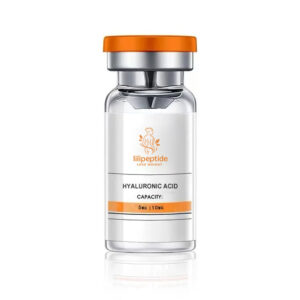
Hyaluronic Acid
Hyaluronic Acid, also known as hyaluronan or HA, is a glycosaminoglycan a long, unbranched chain of repeating sugar units. Unlike other glycosaminoglycans that are typically attached to proteins to form proteoglycans, Hyaluronic Acid exists in the body as a free molecule. This unique characteristic allows it to move freely through tissues and perform its various functions.
The molecular structure of Hyaluronic gives it remarkable water-binding capacity. Each molecule can hold up to 1000 times its weight in water, making it extraordinarily effective at maintaining tissue hydration and volume. This hydrating function is essential for numerous tissues throughout the body, including skin, joints, eyes, and various internal organs.
The body produces Hyaluronic Acid naturally, with the highest concentrations found in skin, synovial fluid of joints, the vitreous humor of eyes, and various connective tissues. Production tends to decline with age, contributing to many of the changes associated with aging, including reduced skin elasticity and joint stiffness.
How It Works in the Body
Hyaluronic exerts its effects through multiple mechanisms. Its primary function involves water attraction and retention, which creates hydration and pressure within tissues. In joints, this hydration provides lubricating and cushioning effects that protect cartilage and facilitate smooth movement. In skin, Hyaluronic Acid helps maintain hydration and volume that contribute to youthful appearance.
Beyond simple hydration, Hyaluronic interacts with various receptors on cell surfaces, triggering biological responses that influence cell migration, proliferation, and tissue repair. These receptor-mediated effects explain Hyaluronic Acid’s roles in wound healing and tissue regeneration.
Biological Functions and Roles
Joint Health and Lubrication
One of the most well-documented functions of Hyaluronic involves joint health. In synovial fluid, Hyaluronic provides viscosity and elasticity that lubricate joint surfaces and absorb shock during movement. This lubricating function is essential for maintaining joint comfort and function, particularly in weight-bearing joints like knees and hips.
The Hyaluronic Acid in synovial fluid also helps nourish cartilage, the avascular tissue that cushions joint surfaces. Without adequate Hyaluronic Acid, joint function can be compromised, contributing to discomfort and reduced mobility.
Skin Health and Hydration
Hyaluronic plays crucial roles in maintaining skin hydration, elasticity, and volume. The molecule binds water in the dermis, the deeper layer of skin, helping maintain hydration that supports skin structure and reduces the appearance of fine lines and wrinkles. This water-binding capacity makes Hyaluronic Acid an invaluable component of healthy skin.
With age, skin Hyaluronic Acid content declines, contributing to decreased hydration, thinning skin, and wrinkle formation. Topical and internal Hyaluronic supplementation has been explored to address these age-related changes.
Wound Healing and Tissue Repair
Hyaluronic participates actively in wound healing and tissue repair processes. The molecule is naturally present at wound sites, where it facilitates cell migration and proliferation essential for tissue regeneration. Its ability to create a hydrated environment supports the cellular activities required for healing.
Due to these properties, Hyaluronic is commonly used in medical settings to support wound healing, particularly in chronic wounds and surgical sites.
Health Benefits and Applications
Joint Comfort and Mobility
Supplementation with Hyaluronic has been explored extensively for joint health applications. Research has demonstrated that oral Hyaluronic supplementation may support joint comfort and function, particularly in individuals experiencing age-related joint changes. The lubricating and cushioning effects of Hyaluronic help protect joint structures and maintain comfortable movement.
Several clinical studies have supported the use of Hyaluronic supplements for joint health, with evidence suggesting benefits for joint comfort and function in various populations.
Skin Hydration and Appearance
Hyaluronic is widely used in skincare for its hydrating and anti-aging properties. Topical application helps draw moisture into the skin, providing immediate hydration benefits while supporting longer-term skin health. The molecule’s small molecular size allows it to penetrate skin to some degree, where it can provide deep hydration benefits.
Oral Hyaluronic supplementation has also shown promise for skin health, with studies demonstrating benefits for skin hydration and appearance when taken as dietary supplements.
Eye Health
Hyaluronic occurs naturally in the vitreous humor, the gel-like substance that fills the eye. Its hydrating and light-refracting properties are essential for proper eye function. Hyaluronic Acid eye drops are used in ophthalmology to support eye hydration during surgical procedures and to treat dry eye conditions.
Sources and Supplementation
Natural Food Sources
Hyaluronic is found naturally in some foods, particularly connective tissue-rich foods like bone broth and organ meats. However, dietary amounts are typically modest, making supplementation a more practical approach for achieving therapeutic doses.
Foods that support the body’s natural Hyaluronic Acid production include bone broth, which contains collagen and other building blocks, and various fruits and vegetables that provide nutrients needed for synthesis.
Supplement Forms
Hyaluronic supplements are available in various forms, including oral capsules, liquid supplements, and topical formulations. Molecular weight varies among products, with some evidence suggesting that lower molecular weight forms may be more bioavailable.
Quality varies significantly among supplements, making selection from reputable manufacturers important for achieving desired effects.
Safety Profile and Considerations
Generally Favorable Safety
Hyaluronic is generally well-tolerated when used appropriately. Extensive use in medical applications has demonstrated a favorable safety profile. The most commonly reported effects are typically mild and may include digestive discomfort with oral supplements.
Importantly, Hyaluronic is a naturally occurring substance in the body, making it generally compatible with human physiology.
Appropriate Dosing
Recommended doses vary based on the specific application and individual factors. Typical oral doses range from 120mg to 240mg daily for joint health applications. Topical formulations vary widely in concentration.
Healthcare providers can offer guidance on appropriate dosing based on individual needs and circumstances.
Comparison with Other Approaches
Hyaluronic Acid vs. Other Joint Supplements
Compared to other joint supplements like glucosamine and chondroitin, Hyaluronic works through different but complementary mechanisms. While glucosamine and chondroitin support cartilage structure, Hyaluronic Acid primarily provides lubricating effects in synovial fluid.
Many joint supplements combine multiple ingredients for comprehensive joint support.
Topical vs. Oral Supplementation
Both topical and oral Hyaluronic offer distinct benefits. Oral supplementation supports Hyaluronic Acid levels throughout the body, while topical application provides targeted benefits for skin. Combined approaches may offer the most comprehensive benefits.
The Future of Hyaluronic Acid Research
Ongoing Investigations
Research into Hyaluronic continues to reveal new applications and benefits. Scientists are exploring novel delivery methods, combination approaches, and applications in various health conditions.
The growing interest in Hyaluronic has led to increased research funding and attention.
Potential Developments
New formulations and delivery technologies may enhance the effectiveness of Hyaluronic applications. These advancements may expand uses and improve outcomes.
Conclusion
Hyaluronic Acid represents one of the body’s most essential molecules for tissue health and hydration. Its roles in joint lubrication, skin health, and tissue repair make it valuable for numerous applications. The extensive research supporting its benefits has established Hyaluronic as an important tool for supporting health and wellbeing.
Reviews
There are no reviews yet.