
Description
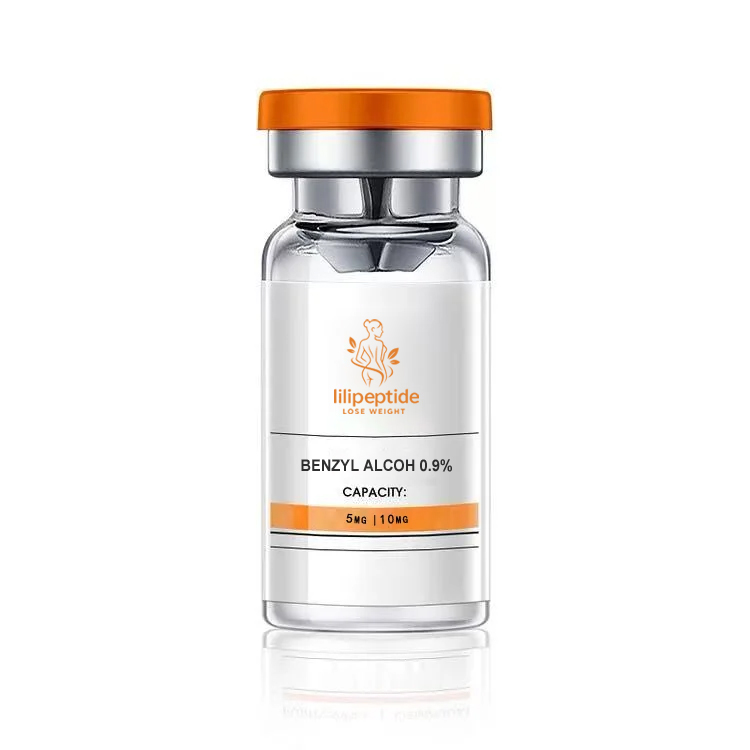
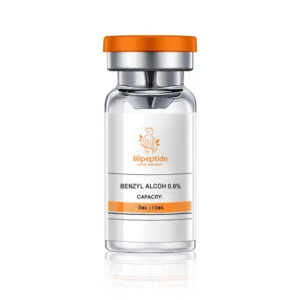
Benzyl Alcoh
Benzyl alcohol is an aromatic alcohol with the chemical formula C₇H₈O, classified as a benzene derivative with a hydroxyl group attached to a methylene group. This colorless liquid possesses a mild, pleasant aromatic odor and occurs naturally in various essential oils, including jasmine, ylang-ylang, and hyacinth. Its versatility has made it one of the most widely used aromatic alcohols across multiple industries, from pharmaceuticals and cosmetics to industrial applications and food preservation.
Chemical Properties and Molecular Structure
Benzyl alcohol consists of a phenyl ring (C₆H₅) bonded to a CH₂OH group, making it structurally distinct from simple aliphatic alcohols. This molecular architecture grants benzyl alcohol its unique combination of properties: moderate polarity, excellent solvent capabilities, and antimicrobial effectiveness.
The compound appears as a clear, colorless to pale yellow liquid at room temperature. It boils at approximately 205 degrees Celsius and has a flash point of 96 degrees Celsius, classifying it as a combustible liquid requiring standard fire safety precautions. Benzyl alcohol mixes readily with water in moderate amounts (about 4 grams per 100 milliliters at 20 degrees Celsius) and dissolves completely in most organic solvents including ethanol, ether, and chloroform.
The hydroxyl functional group enables benzyl alcohol to participate in esterification reactions, producing valuable derivatives such as benzyl acetate, a compound widely used in perfumes and flavorings. The aromatic ring also allows for electrophilic substitution reactions, enabling various chemical modifications for specialized applications.
Natural Occurrence and Production Methods
Benzyl alcohol occurs naturally in numerous plant sources, particularly in essential oils extracted from flowers and fruits. Jasmine oil contains significant concentrations, contributing to the characteristic floral notes used in perfumery. Ylang-ylang oil, tea tree oil, and certain varieties of eucalyptus also contain measurable amounts of benzyl alcohol.
Commercial production of benzyl alcohol primarily occurs through two main routes. The first method involves the hydrolysis of benzyl chloride with an alkaline solution, a process that yields benzyl alcohol along with sodium chloride as a byproduct. The second common production pathway utilizes the oxidation of toluene, converting the methyl group to a hydroxyl group through catalytic processes.
Natural extraction methods using steam distillation or solvent extraction preserve the compound’s purity for applications requiring botanically-derived ingredients. These natural versions command premium prices in cosmetic and pharmaceutical formulations where label claims specify natural or organic sourcing.
Primary Industrial and Commercial Applications
Pharmaceutical Applications
Benzyl alcohol serves multiple roles in pharmaceutical manufacturing, functioning simultaneously as a solvent, preservative, and antibacterial agent. As a solvent, it dissolves active pharmaceutical ingredients that are insoluble in water alone, enabling the creation of injectable solutions and topical preparations. Its preservative properties make it valuable in multi-dose vials, where it prevents microbial contamination between uses.
The compound’s antimicrobial activity extends its pharmaceutical utility to topical antiseptic formulations. Solutions containing benzyl alcohol effectively reduce bacterial load on skin and mucous membranes, making it suitable for wound cleansing and pre-procedural disinfection. Pharmaceutical manufacturers appreciate its favorable toxicity profile compared to certain alternative preservatives.
Cosmetic and Personal Care Products
The cosmetics industry employs benzyl alcohol extensively as a fragrance component, preservative, and solvent. Its pleasant, mild scent adds floral notes to perfumes, lotions, shampoos, and body care products. Perfumers value benzyl alcohol’s ability to serve as a fixative, helping other fragrance components last longer on the skin.
As a preservative, benzyl alcohol protects cosmetic formulations from microbial contamination, extending shelf life while meeting regulatory preservation requirements. Its effectiveness against bacteria and fungi makes it suitable for water-based products including creams, lotions, toners, and hair care products. The compound typically appears in ingredient lists under its chemical name or as “benzyl alcohol” in International Nomenclature of Cosmetic Ingredients (INCI) format.
Food and Beverage Industry
Food-grade benzyl alcohol functions as a flavoring agent, contributing sweet, floral notes to various food products and beverages. The compound appears naturally in some foods, including certain fruits, teas, and fermented products. As an added flavoring, it finds applications in confectionery, baked goods, and flavor compositions for soft drinks and alcoholic beverages.
Regulatory bodies including the U.S. Food and Drug Administration (FDA) and the European Food Safety Authority (EFSA) have evaluated benzyl alcohol’s safety for food applications. These agencies have established acceptable daily intake levels and specify purity requirements for food-grade versions. The compound also serves as a solvent for food colorings and flavoring extracts.
Industrial Applications
Beyond consumer products, benzyl alcohol plays important roles in industrial processes. Its solvent properties make it valuable in paint and coating formulations, where it helps dissolve resins and adjust viscosity. The electronics industry utilizes benzyl alcohol in cleaning applications for precision components, benefiting from its effectiveness and relatively gentle nature compared to harsher solvents.
Photographic film manufacturing historically employed benzyl alcohol in processing solutions, though digital photography has reduced this application. The compound also serves as a starting material for producing various chemical derivatives used in plastics, fibers, and agricultural chemicals.
Safety Profile and Toxicological Considerations
Benzyl alcohol exhibits a favorable safety profile when used appropriately, though exposure guidelines exist to ensure consumer safety. The compound’s primary route of exposure involves skin contact or ingestion, with inhalation representing a minor concern in industrial settings with adequate ventilation.
Toxicological studies indicate that benzyl alcohol demonstrates low acute toxicity through oral exposure. The compound is metabolized in the liver through oxidation to benzoic acid, which subsequently combines with glycine to form hippuric acid for urinary excretion. This metabolic pathway mirrors that of other aromatic compounds and proceeds without significant accumulation in body tissues.
Skin sensitization represents a theoretical concern, though documented allergic reactions to benzyl alcohol remain relatively rare compared to other fragrance materials and preservatives. Most individuals can use products containing benzyl alcohol without experiencing sensitivity reactions. However, individuals with known sensitivities to aromatic compounds should exercise caution when trying new products containing this ingredient.
Regulatory agencies worldwide have evaluated benzyl alcohol and established safe usage levels across various applications. The Cosmetic Ingredient Review (CIR) Expert Panel in the United States concluded that benzyl alcohol is safe for use in cosmetics at concentrations up to 10%. Similar evaluations by European regulatory authorities support its continued use as a preservative and fragrance component.
Storage, Handling, and Stability
Proper storage of benzyl alcohol ensures maintained quality and safety throughout its shelf life. The compound should remain in tightly sealed containers away from sources of ignition, as its flash point exceeds typical room temperatures but remains within the combustible liquids category. Storage in cool, dark locations prevents degradation from light and heat exposure.
Benzyl alcohol demonstrates good chemical stability under normal storage conditions, resisting oxidation and decomposition when protected from excessive heat and light. However, long-term exposure to air may result in gradual oxidation to benzaldehyde, which possesses a stronger odor and different sensory properties.
Industrial handling requires standard chemical safety practices, including appropriate personal protective equipment such as gloves and safety goggles. Ventilation requirements depend on the scale of operations and specific usage patterns, though benzyl alcohol generally does not require specialized ventilation in well-ventilated environments following standard occupational exposure limits.
Environmental Considerations
Benzyl demonstrates favorable environmental characteristics compared to many industrial solvents. The compound biodegrades relatively rapidly in environmental systems, avoiding persistence concerns associated with certain persistent organic pollutants. Its moderate water solubility enables biological treatment processes in wastewater facilities.
Aquatic toxicity studies indicate that benzyl alcohol poses minimal risk to aquatic organisms at typical environmental concentrations. The compound’s ready biodegradation and low bioaccumulation potential support its classification as an environmentally preferable solvent choice for applications where environmental impact represents a concern.
Conclusion
Benzyl stands as a remarkably versatile compound serving essential functions across numerous industries. Its unique combination of pleasant aroma, antimicrobial properties, and solvent capabilities has established it as a valuable ingredient in pharmaceuticals, cosmetics, foods, and industrial applications. The compound’s favorable safety profile, combined with its natural occurrence in various plants, makes it suitable for both conventional and natural product formulations.
Understanding benzyl alcohol’s properties, applications, and safety considerations enables informed decisions for manufacturers, formulators, and consumers. As research continues and regulatory frameworks evolve, benzyl alcohol likely maintains its position as a fundamental ingredient in the chemical formulations shaping modern products.
Reviews
There are no reviews yet.