
Description
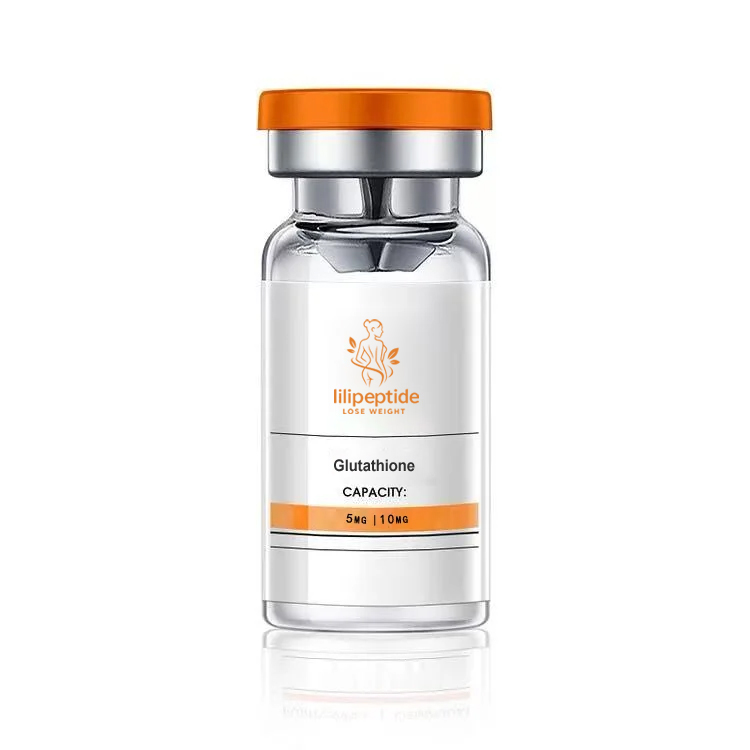
Glutathione
Glutathione is a tripeptide, meaning it is composed of three amino acids linked together in a specific sequence: glutamic acid (glutamate), cysteine, and glycine. Its unique molecular structure, particularly the sulfhydryl group on the cysteine portion, gives glutathione its distinctive antioxidant properties. This sulfhydryl group is what allows glutathione to donate electrons and neutralize free radicals, effectively acting as a potent antioxidant.
Glutathion exists in two forms in the body: reduced glutathione (GSH), the active antioxidant form, and oxidized glutathione (GSSG), the form that results after neutralization of free radicals. The ratio of GSH to GSSG within cells serves as an important indicator of cellular antioxidant status, with higher GSH levels generally indicating better cellular protection against oxidative damage.
The body produces glutathion naturally in all cells, with particularly high concentrations in the liver, where it plays crucial roles in detoxification. However, glutathione production tends to decline with age, potentially contributing to increased vulnerability to oxidative stress and age-related health concerns.
How It Works as an Antioxidant
Glutathione’s primary antioxidant function involves neutralizing reactive oxygen species (ROS) and other harmful compounds through a process called oxidation-reduction. When glutathione encounters a free radical or other oxidizing compound, it donates electrons, effectively neutralizing the threat and protecting cellular structures from damage.
What makes glutathion particularly valuable is its ability to regenerate other antioxidants, including vitamin C and vitamin E. After these antioxidants neutralize free radicals, they become oxidized and less effective. Glutathione can regenerate them back to their active forms, extending the overall antioxidant capacity of the cell.
Biological Functions and Roles
Antioxidant Defense
The primary function of glutathion is as the body’s master antioxidant, providing protection against oxidative stress caused by free radicals and reactive oxygen species. This protection extends to all cellular components, including proteins, lipids, and DNA, helping maintain cellular integrity and function.
The comprehensive nature of glutathione’s antioxidant protection makes it essential for cellular health. Unlike antioxidants that protect specific cellular compartments, glutathione’s presence throughout the cell provides broad-spectrum protection.
Detoxification Support
Glutathion plays crucial roles in detoxification, particularly in the liver. The liver uses glutathione to bind to and neutralize toxins, making them water-soluble for excretion. This process, called conjugation, is essential for eliminating various harmful substances, including environmental toxins, medications, and metabolic waste products.
The liver contains high concentrations of glutathione precisely because of its central role in detoxification. Supporting glutathion levels is therefore important for maintaining healthy liver function and overall detoxification capacity.
Immune System Support
Glutathion supports immune function in multiple ways. It protects immune cells from oxidative damage, allowing them to function optimally. Additionally, glutathione appears to influence the activity and balance of various immune cells, supporting appropriate immune responses.
The connection between glutathione and immune function makes adequate levels important for maintaining robust immune defenses.
Health Benefits and Applications
Cellular Protection and Anti-Aging
One of the most significant benefits of glutathion involves support for cellular health and protection against age-related decline. By protecting cells from oxidative damage, glutathion helps maintain cellular function and integrity that might otherwise deteriorate with age.
Research has associated adequate glutathione levels with various markers of healthy aging, including cognitive function, cardiovascular health, and metabolic function.
Liver Health Support
Due to its central role in liver detoxification, glutathion is essential for maintaining liver health. The liver’s heavy reliance on glutathion for detoxification makes adequate levels particularly important for this organ.
Supplementation with glutathion precursors or direct supplementation may support liver function, particularly in situations involving elevated toxin exposure or impaired detoxification.
Immune Function Support
Glutathione’s roles in immune cell protection and function make it important for maintaining robust immune defenses. The antioxidant protection it provides to immune cells allows them to function optimally when facing challenges.
Sources and Supplementation
Dietary Sources
Glutathion is found in various foods, particularly fresh fruits and vegetables, meat, and fish. However, dietary glutathion is poorly absorbed, with only a small fraction reaching systemic circulation. Cooking and processing can further reduce glutathione content in foods.
Foods that support the body’s natural glutathion production may be more useful than foods containing glutathion itself. These include foods rich in sulfur compounds, such as garlic, onions, and cruciferous vegetables.
Supplement Forms
Glutathion supplements are available in various forms, including oral supplements, liposomal formulations, and intravenous preparations. Liposomal glutathion, which encapsulates the molecule in fat-like particles, may offer enhanced absorption compared to standard oral forms.
Additionally, supplements containing glutathion precursors, such as N-acetylcysteine (NAC), alpha-lipoic acid, and glutamine, may support the body’s natural glutathion production.
Safety Profile and Considerations
Generally Favorable Safety
Glutathion is generally well-tolerated when used appropriately. The most commonly reported side effects are typically mild and may include digestive discomfort with oral supplements. Intravenous glutathione is used extensively in clinical settings with a favorable safety profile.
The body’s natural production of glutathion and its presence in cells make it generally compatible with human physiology.
Appropriate Dosing
Recommended doses vary based on the specific application and individual factors. Typical oral doses range from 250mg to 1000mg daily, though higher doses may be used in specific situations under healthcare provider guidance.
Healthcare providers can offer guidance on appropriate dosing based on individual health status and specific goals.
Comparison with Other Approaches
Glutathione vs. Other Antioxidants
Glutathion differs from other antioxidants in its central role in the antioxidant defense system and its ability to regenerate other antioxidants. While individual antioxidants like vitamin C or vitamin E protect specific cellular components, glutathione provides comprehensive protection throughout the cell.
The unique ability to regenerate other antioxidants makes glutathion particularly valuable for maintaining overall antioxidant defense.
Oral vs. Liposomal Glutathione
Oral glutathion absorption is limited due to digestion in the gastrointestinal tract. Liposomal formulations encapsulate glutathione in phospholipid particles that may protect against digestion and enhance absorption. This makes liposomal glutathion potentially more effective when taken orally.
Intravenous glutathion bypasses digestive processes entirely, providing direct delivery to systemic circulation.
Potential Developments
New formulations and delivery methods may enhance the effectiveness of glutathione supplementation. These advancements may expand applications and improve outcomes.
The ongoing commitment to research ensures continued progress in understanding and utilizing glutathione’s potential benefits.
Conclusion
Glutathion represents one of the body’s most essential molecules for antioxidant defense and detoxification. Its comprehensive roles in protecting cells, supporting liver function, and maintaining immune health make it fundamental to overall wellbeing. Understanding and supporting glutathion levels is therefore an important aspect of maintaining optimal health.
Reviews
There are no reviews yet.