
Description
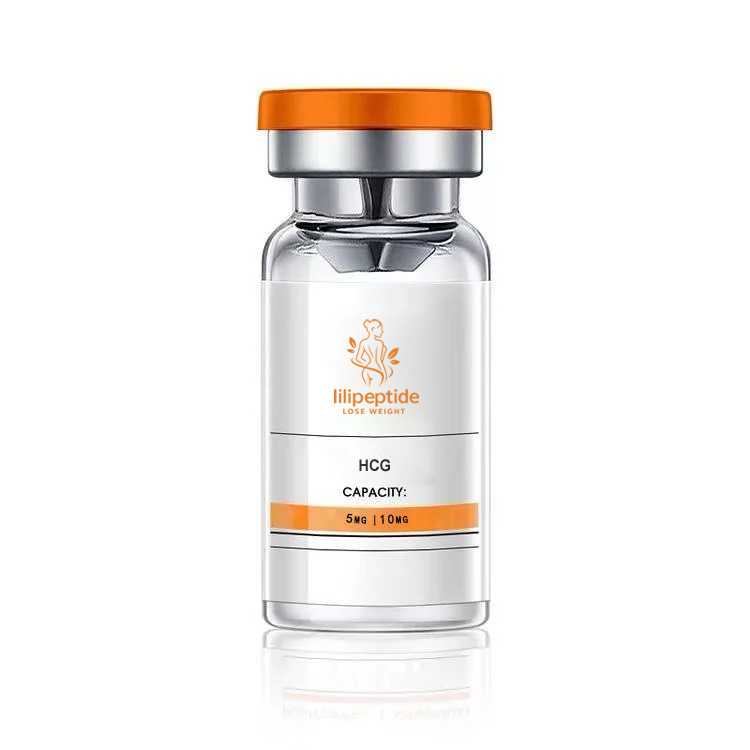
HCG
HCG, Human Chorionic Gonadotropin is a glycoprotein hormone composed of two subunits an alpha subunit and a beta subunit. The alpha subunit is structurally similar to that found in other pituitary hormones, including LH, FSH, and TSH. The beta subunit is unique to HCG and determines its specific biological activity and receptor interactions.
HCG is primarily produced by trophoblast cells, which are the outer layers of cells that will eventually form the placenta. Production begins shortly after embryo implantation in the uterine wall, and HCG levels rise rapidly during early pregnancy, doubling approximately every 48 to 72 hours during the first trimester.
The molecular structure of HCG allows it to bind with high affinity to LH receptors, making it biologically active in both males and females despite being classified as a pregnancy-specific hormone.
How HCG Works in the Body
HCG exerts its effects by binding to LH receptors found in various tissues throughout the body. In females, HCG stimulates the corpus luteum to produce progesterone during early pregnancy, maintaining the uterine lining and supporting embryonic development. In males, HCG stimulates testosterone production in Leydig cells, making it useful for addressing certain testosterone deficiency conditions.
The hormone’s ability to mimic LH activity while having a longer half-life than LH itself makes it particularly valuable for therapeutic applications. This characteristic allows for less frequent dosing while maintaining desired effects.
Biological Functions and Roles
Pregnancy Support
The primary biological function of HCG during pregnancy involves supporting the corpus luteum. After ovulation, the corpus luteum produces progesterone to maintain the uterine lining. In early pregnancy, HCG takes over this function when the corpus luteum begins to deteriorate, ensuring continuous progesterone production until the placenta takes over around weeks 8 to 12 of pregnancy.
This progesterone support is essential for maintaining the uterine environment necessary for embryonic development. Without adequate HCG production, pregnancy may not progress normally, making HCG crucial for successful pregnancy outcomes.
Testosterone Production in Males
In males, HCG stimulates testosterone production by binding to LH receptors on Leydig cells in the testes. This function has made HCG valuable for addressing hypogonadism and certain testosterone deficiency conditions. The stimulation of testosterone production occurs through the same pathway activated by LH, making HCG an effective alternative when LH stimulation is desired.
Fetal Development
HCG plays important roles in fetal development beyond progesterone support. The hormone appears to influence immune tolerance during pregnancy, helping prevent the mother’s immune system from rejecting the developing embryo. Additionally, HCG may support testicular descent in male fetuses and influence other aspects of fetal development.
Medical Uses and Applications
Pregnancy Testing and Monitoring
One of the most well-established medical applications of HCG involves pregnancy testing. Home pregnancy tests detect HCG in urine, while quantitative blood tests measure specific HCG levels to confirm and monitor pregnancy. These tests are among the most commonly used diagnostic tools in medicine.
In clinical settings, serial HCG measurements help assess pregnancy viability and identify potential problems. Abnormal HCG patterns may indicate ectopic pregnancy, miscarriage, or other complications requiring medical attention.
Reproductive Medicine
HCG plays important roles in reproductive medicine beyond pregnancy testing. In fertility treatments, HCG is used to trigger final oocyte maturation and ovulation in women undergoing assisted reproduction. This triggering function is essential for timing egg retrieval and maximizing fertility treatment success.
In men, HCG has been used to stimulate testosterone production and address certain forms of hypogonadism. This application leverages HCG’s ability to stimulate testicular function through LH receptor activation.
Cryptorchidism Treatment
HC has been historically used in the treatment of undescended testes in young boys. The hormone’s stimulation of testicular descent was thought to occur through increased testosterone production, though this application has become less common with the development of alternative treatments.
Research and Clinical Evidence
Extensive Clinical Experience
HC has been used extensively in clinical medicine for decades, with a well-established safety and efficacy profile for its approved applications. The hormone’s roles in pregnancy support and fertility treatment have been validated through extensive clinical experience and research.
The evidence supporting HCG’s use in pregnancy monitoring and fertility treatment is robust, with established protocols and outcomes documented in medical literature.
Ongoing Research
Research continues to explore new applications for HCG and better understand its mechanisms. Scientists are investigating potential applications in various conditions, building on the foundation of existing knowledge.
Safety Profile and Considerations
Generally Favorable Safety
HC has demonstrated a generally favorable safety profile when used appropriately for approved medical applications. The most commonly observed effects relate to its intended hormonal activities, which are typically well-tolerated when properly dosed and monitored.
In pregnancy, HCG administration for approved uses is considered safe, with extensive clinical experience supporting its use in fertility treatments and pregnancy support.
Medical Supervision Requirements
HCG should only be used under appropriate medical supervision from qualified healthcare providers. These providers can evaluate individual patient factors and determine whether specific interventions are appropriate.
Patients interested in HCG applications should consult with healthcare providers who can offer guidance based on current research and individual health circumstances.
Contraindications and Precautions
HCG may not be appropriate for all individuals. Contraindications may include certain hormone-sensitive conditions and specific medical histories. Comprehensive medical evaluation is essential before considering any therapeutic application.
Comparison with Other Approaches
HCG vs. LH
While HCG and LH share receptor interactions and some overlapping functions, HCG has a significantly longer half-life than LH. This difference makes HCG more practical for therapeutic applications, as it requires less frequent dosing while maintaining desired effects.
The longer half-life and higher potency at LH receptors make HCG the preferred choice for most therapeutic applications.
HCG vs. Synthetic Gonadotropins
Compared to synthetic gonadotropins like FSH and LH, HCG offers unique advantages for specific applications. Its ability to provide both LH-like and weak FSH-like activities makes it versatile for various reproductive medicine applications.
The choice between HCG and other gonadotropins depends on individual patient factors and therapeutic goals.
Potential Developments
New formulations and delivery methods may enhance the effectiveness and convenience of HCG applications. These advancements may expand uses and improve outcomes.
The ongoing commitment to research ensures continued progress in understanding and utilizing HCG’s potential benefits.
Conclusion
Human Chorionic Gonadotropin represents one of the most important hormones in reproductive medicine, with fundamental roles in pregnancy support, fertility treatment, and various medical applications. Its unique mechanism of action and extensive clinical experience make it invaluable for addressing reproductive health concerns.

Reviews
There are no reviews yet.