
Description
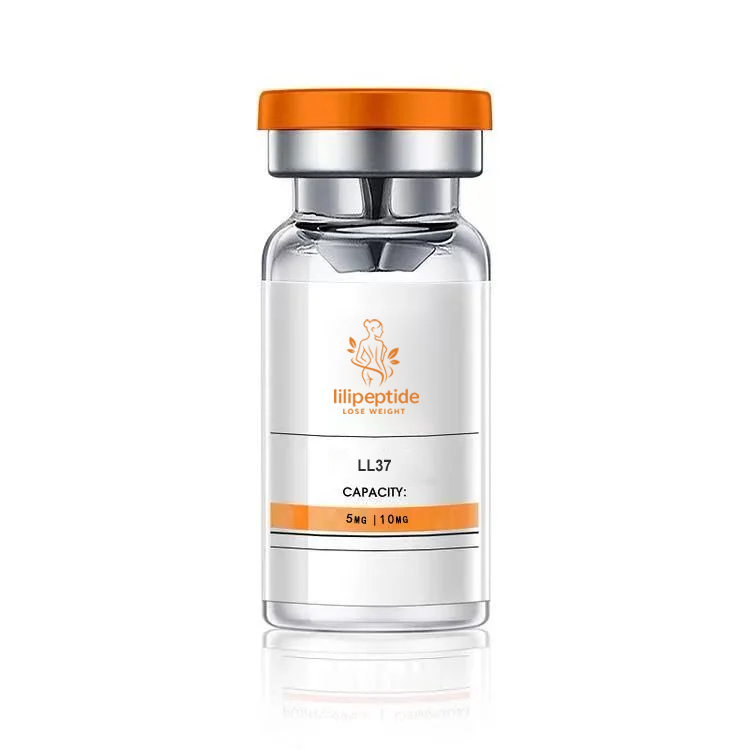
LL37
LL-37, also known as cathelicidin antimicrobial peptide (CAMP), is a peptide antibiotic produced naturally in humans. The peptide derives its name from its structure a chain of 37 amino acids beginning with two leucine residues (Leucine-Leucine). This peptide is produced by various cell types throughout the body, including immune cells, skin cells, and epithelial cells lining respiratory and digestive tracts.
The precursor of LL-37, called proLL-37 or hCAP18, is produced in cells and stored in granules until needed. When the body detects infection or tissue damage, proLL-37 is cleaved to release the active LL-37 peptide, which then goes to work protecting tissues and eliminating pathogens.
The Discovery and Research History
LL-37 was identified through research into antimicrobial peptides across different species. Scientists discovered that many organisms produce similar antimicrobial peptides as part of their innate immune systems, suggesting evolutionary conservation of this defense mechanism. Human LL-37 represents the culmination of this evolutionary development, refined over millions of years to provide effective protection against pathogens.
Research into LL-37 has accelerated significantly since its discovery, revealing increasingly complex roles in immunity and tissue health. This growing understanding has generated interest in therapeutic applications ranging from infection treatment to wound healing to inflammatory conditions.
Biological Functions and Mechanisms
Antimicrobial Activity
The primary function of LL-37 involves direct killing of invading microorganisms. The peptide works by disrupting microbial cell membranes, a mechanism fundamentally different from how traditional antibiotics work. This membrane-disrupting action is effective against a broad spectrum of bacteria, including some antibiotic-resistant strains.
Unlike conventional antibiotics that target specific bacterial processes, LL-37’s membrane-disrupting action makes it difficult for bacteria to develop resistance. This characteristic has generated significant interest in LL-37 as a potential solution to the antibiotic resistance crisis.
Immunomodulatory Effects
Beyond direct antimicrobial activity, LL-37 plays important roles in modulating immune responses. The peptide influences how immune cells respond to threats, helping orchestrate appropriate defenses without excessive inflammation that could damage tissues. This immunomodulatory function is essential for effective immunity without harmful side effects.
Research has demonstrated that LL-37 can influence cytokine production, immune cell recruitment, and inflammatory responses. These effects help explain why LL-37 deficiency is associated with increased susceptibility to infections.
Wound Healing and Tissue Repair
LL-37 contributes significantly to tissue repair and wound healing. The peptide promotes healing through multiple mechanisms, including stimulation of cell proliferation, enhancement of angiogenesis (new blood vessel formation), and modulation of inflammatory responses that could otherwise impair healing.
This wound healing function has made LL-37 an area of significant interest for chronic wound care and surgical wound management. The peptide’s dual action—combating infection while supporting healing—makes it particularly valuable for wound care applications.
Health Implications and Applications
Infectious Disease
LL-37’s antimicrobial properties suggest potential applications in treating infectious diseases. The peptide’s broad-spectrum activity and difficulty for pathogens to develop resistance make it an attractive alternative or complement to conventional antibiotics.
Research has explored LL-37 delivery through various routes, including topical application for skin infections and intravenous administration for systemic infections. While clinical applications remain under development, the research progress has been promising.
Wound Care
One of the most advanced areas of LL-37 application involves wound care. The peptide’s combination of antimicrobial activity and wound healing support makes it particularly valuable for chronic wounds, surgical wounds, and burn care.
Various LL-37 formulations have been developed for topical application in wound care settings. These products aim to leverage the peptide’s natural functions to support healing while preventing infection.
Inflammatory and Autoimmune Conditions
Research has explored LL-37’s potential in inflammatory and autoimmune conditions, given its immunomodulatory functions. The peptide’s ability to modulate immune responses may offer benefits for conditions characterized by dysregulated immunity.
However, this research remains in earlier stages compared to wound care applications, and more research is needed to fully characterize potential benefits.
Research and Clinical Evidence
Preclinical Findings
Extensive preclinical research has established LL-37’s mechanisms and potential applications. Studies in cellular models and animal systems have demonstrated its broad-spectrum antimicrobial activity, immunomodulatory functions, and wound healing support.
These findings provide the scientific foundation for clinical development and inform ongoing efforts to translate this research into therapeutic applications.
Current Research Status
Research into LL-37 continues to advance, with ongoing clinical studies exploring various applications. The peptide remains an area of active investigation in both academic research and pharmaceutical development.
While significant progress has been made, additional clinical research is needed to fully establish efficacy and safety profiles for various applications.
Safety Profile and Considerations
Current Understanding of Safety
Research suggests LL- is generally well-tolerated at therapeutic doses, with a favorable safety profile for topical applications. However, comprehensive safety data continue to be collected through ongoing clinical research.
As with any therapeutic compound, appropriate monitoring and medical supervision remain important for safe use.
Medical Supervision Requirements
LL–based therapeutics should only be used under appropriate medical supervision from qualified healthcare providers. These providers can evaluate individual patient factors and determine whether specific interventions are appropriate.
Patients interested in LL- applications should consult with healthcare providers who can offer guidance based on current research and individual health circumstances.
Comparison with Other Approaches
LL-37 vs. Conventional Antibiotics
LL- differs fundamentally from conventional antibiotics in its mechanisms and potential advantages. While antibiotics typically target specific bacterial processes, LL-37 disrupts microbial membranes—making resistance development more difficult.
This difference has generated significant interest in LL-37 as a potential solution to antibiotic resistance, though research continues to establish optimal applications.
LL-37 vs. Other Antimicrobial Peptides
Among antimicrobial peptides, LL- is unique in being the only cathelicidin in humans. Other species produce different antimicrobial peptides, each with unique characteristics and potential applications.
The uniqueness of LL-in human biology makes it particularly relevant for human therapeutic applications.
Therapeutic Developments
New formulations and delivery methods for LL- continue to be developed. These advancements may enhance its effectiveness and convenience for various applications.
The ongoing commitment to LL-research ensures continued progress in understanding and utilizing this remarkable peptide.
Conclusion
LL-37 represents a remarkable example of the body’s innate immune defenses, combining antimicrobial activity with immunomodulatory functions and wound healing support. Its unique mechanisms offer potential solutions to challenges in infectious disease treatment and wound care that conventional approaches have not fully addressed.
The potential benefits of LL- include broad-spectrum antimicrobial activity, support for wound healing, and immunomodulation. However, as with any therapeutic compound under investigation, patients should seek guidance from qualified healthcare providers and stay informed about ongoing research developments.
For individuals interested in exploring LL- applications, consultation with healthcare providers who can evaluate individual circumstances is essential. The evolving landscape of antimicrobial peptide research offers hope for new approaches to addressing infectious diseases and supporting tissue health.
The continued investigation of LL-reflects broader scientific commitment to understanding and harnessing natural immune mechanisms. As research progresses, more complete understanding of its potential applications in human health will emerge.
Reviews
There are no reviews yet.