


Description
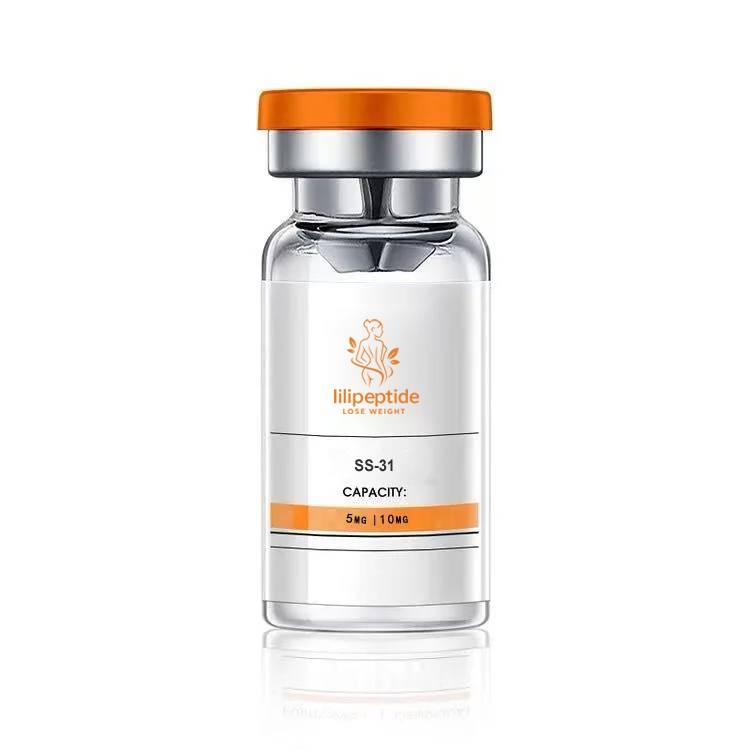
SS-31
SS-31 is a synthetic tetrapeptide consisting of four amino acids: D-Arg-Dmt-Lys-Phe-NH2 (with Dmt representing 2,6-dimethyltyrosine). The peptide was developed by researchers Dr. Hazel Szeto and Dr. Harold Schiller, from whom its name derives. This small peptide is specifically designed to target mitochondria, the cellular powerhouses responsible for producing energy needed for cell function.
The molecular design of SS-31 enables it to cross cell membranes and specifically accumulate within mitochondria. This targeting capability distinguishes SS-31 from many other therapeutic compounds that affect mitochondria indirectly or lack specific mitochondrial localization.
SS-31 has been investigated in numerous clinical trials examining its potential benefits for various conditions involving mitochondrial dysfunction. The compound remains investigational and has not received regulatory approval from agencies such as the U.S. Food and Drug Administration (FDA) for any medical indication.
The Science Behind Mitochondrial Targeting
Understanding Mitochondria
Mitochondria are organelles found in cells that serve as the primary energy production facilities through oxidative phosphorylation. These structures convert nutrients from food into adenosine triphosphate (ATP), the energy currency cells use to power their various functions.
Beyond energy production, mitochondria participate in numerous cellular processes including heat generation, programmed cell death (apoptosis), and calcium regulation. The proper function of mitochondria is essential for cellular health, and mitochondrial dysfunction has been implicated in numerous conditions and the natural aging process.
Mitochondria possess their own DNA (mtDNA), separate from nuclear DNA, which encodes proteins essential for oxidative phosphorylation. This unique structure and the continuous energy demands placed on mitochondria make them particularly susceptible to damage from reactive oxygen species (ROS) produced during normal energy metabolism.
The Challenge of Mitochondrial Therapy
Developing therapies that specifically target mitochondria presents significant challenges. Cell membranes and mitochondrial membranes present barriers that prevent many compounds from reaching their mitochondrial targets. Additionally, the aqueous environment of cells can cause compounds to distribute broadly rather than accumulating specifically in mitochondria.
The development of SS-31 addressed these challenges through clever molecular design. The peptide’s structure enables it to bypass cellular membranes and specifically accumulate within mitochondria, achieving concentrations at the target site that would be difficult to attain with conventional approaches.
Mechanism of Action
SS-31 exerts its effects through several mechanisms related to mitochondrial function and protection. Understanding these mechanisms provides insight into how this peptide may potentially benefit various conditions.
Cardiolipin Binding
A key mechanism involves SS-31’s binding to cardiolipin, a unique phospholipid found almost exclusively in the inner mitochondrial membrane. Cardiolipin plays crucial roles in maintaining mitochondrial membrane structure and the function of proteins involved in oxidative phosphorylation.
SS-31 binds to cardiolipin with high affinity, helping stabilize the mitochondrial membrane structure and protecting against the disruption that can occur under conditions of stress. This binding helps preserve the integrity of the electron transport chain, which is essential for efficient ATP production.
Electron Transport Chain Protection
The electron transport chain complexes within mitochondria are responsible for producing most cellular ATP. These complexes require proper membrane structure and lipid environment to function optimally. SS-31 helps maintain this optimal environment through its interaction with cardiolipin.
Research suggests that SS-31 helps prevent the loss of cytochrome c from the inner mitochondrial membrane. Cytochrome c is essential for electron transport, and its release can trigger programmed cell death (apoptosis). By helping retain cytochrome c, SS-31 may protect against cell death under various stressful conditions.
Reduction of Oxidative Stress
Mitochondria are a major source of reactive oxygen species (ROS), which can damage cellular components when produced in excess. SS-31 may help reduce excessive ROS production by improving the efficiency of the electron transport chain, reducing the “leakage” that produces harmful free radicals.
Additionally, SS-31 may help preserve the function of antioxidant enzymes that protect against ROS damage. These combined effects may help reduce oxidative damage to cellular components.
Research and Clinical Studies
SS-31 has undergone extensive clinical investigation, with studies examining its potential benefits for various conditions associated with mitochondrial dysfunction.
Cardiovascular Research
One of the most extensively studied applications of SS-31 involves cardiovascular conditions. Mitochondria are particularly abundant in heart muscle cells, and cardiac function requires substantial energy production. Research has examined SS-31 in conditions including heart failure, myocardial ischemia (reduced blood flow to the heart), and other cardiovascular conditions.
Clinical trials have evaluated SS-31 in patients with heart failure with reduced ejection fraction (HFrEF) and other cardiac conditions. Some studies have investigated whether SS-31 can improve exercise capacity, cardiac function, and symptoms in these patient populations.
Neuromuscular Conditions
Research has also explored SS-31 in neuromuscular conditions involving mitochondrial dysfunction. Studies have examined potential benefits in Duchenne muscular dystrophy (DMD), a condition involving progressive muscle weakness where mitochondrial dysfunction plays a role.
Additionally, SS-31 has been investigated in other conditions where mitochondrial dysfunction is believed to contribute, including certain rare mitochondrial diseases.
Aging Research
Given the role of mitochondrial dysfunction in the aging process, SS-31 has generated interest as a potential anti-aging intervention. However, much of this research remains preclinical, and established anti-aging applications await validation through clinical trials.
Current Status and Considerations
SS-31 remains an investigational compound requiring additional research to establish its potential therapeutic value. Several important considerations accompany discussions of this compound.
Regulatory Status
SS-31 is not approved by the FDA, European Medicines Agency (EMA), or other major regulatory agencies for any medical indication. The compound continues to be investigated in clinical trials, and its future regulatory status remains to be determined through ongoing research.
Clinical Development
The development of SS-31 involves ongoing clinical trials examining its safety and potential effectiveness. These studies are essential for establishing whether the compound provides meaningful benefits that justify regulatory approval.
Quality and Sourcing
Compounds marketed as SS-31 or elamipretide may vary in quality and purity. Additionally, some sources may market compounds that are not equivalent to the clinically studied formulation. Patients should approach such products with appropriate caution.
Potential Applications
Based on research to date, SS-31 has been explored for several potential applications. It is important to understand that these remain areas of ongoing investigation rather than established treatments.
Cardiovascular Support
The most advanced research area involves cardiovascular conditions. Studies have examined SS-31 in heart failure and other cardiac conditions, though definitive conclusions await completion of clinical trials.
Muscle Function
Research has explored whether SS may help preserve muscle function in conditions involving mitochondrial dysfunction and muscle weakness. This application remains under investigation.
General Mitochondrial Support
The fundamental mechanism of SS involves supporting mitochondrial function, which has generated interest in broader applications. However, these potential applications require validation through appropriate clinical research.
Conclusion
SS represents a significant example of mitochondrial-targeting therapeutic research. This innovative peptide’s ability to specifically accumulate within mitochondria and protect mitochondrial function addresses a fundamental aspect of cellular health that is relevant to numerous conditions.
Research has explored SS in various contexts, with the most extensive investigation focusing on cardiovascular conditions. Clinical trials have examined whether this compound can improve outcomes in heart failure and other conditions involving mitochondrial dysfunction. However, SS-31 remains investigational and has not received regulatory approval for any medical indication.
The development of SS-illustrates the ongoing effort to develop therapies that target fundamental cellular processes. Mitochondrial dysfunction has been implicated in numerous conditions, and addressing this dysfunction represents an important therapeutic approach. As research continues, the potential role of SS-31 in treating various conditions will become better defined.


Reviews
There are no reviews yet.