
Description
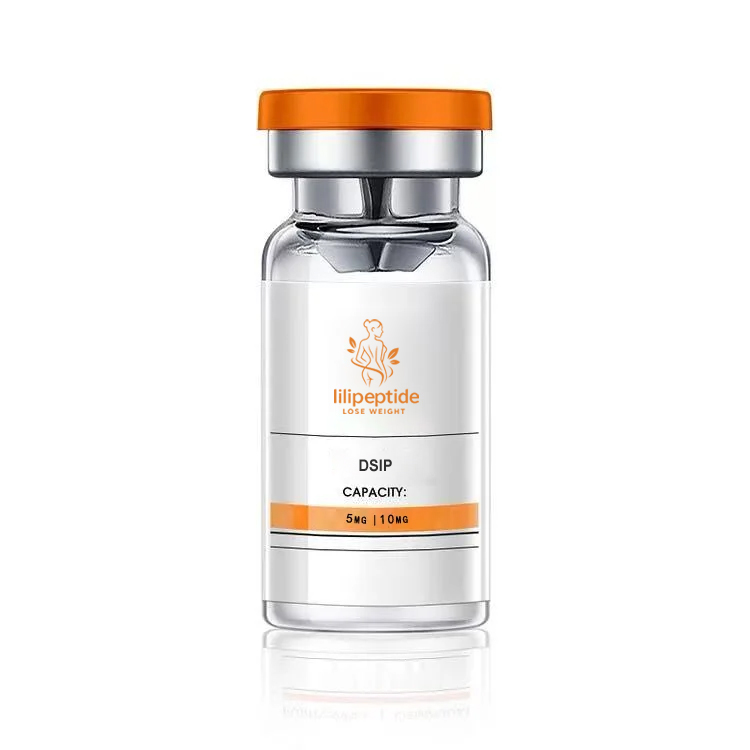
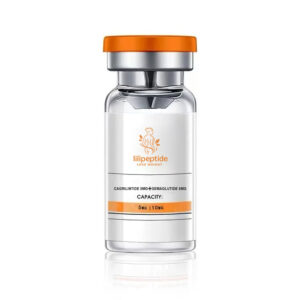
DSIP
DSIP is a nonapeptide, meaning it is composed of nine amino acids linked together in a specific sequence. Its structure allows it to cross the blood-brain barrier and exert effects on central nervous system function. The peptide is found naturally in various brain regions, with particularly high concentrations in areas associated with sleep regulation and circadian rhythm control.
The molecular characteristics of DSIP enable it to interact with specific receptors and neural pathways that influence sleep-wake cycles. Unlike pharmaceutical sleep aids that often work through sedation, DSIP appears to work by supporting natural sleep processes and helping to normalize sleep architecture.
How It Works: The Mechanism of Action
The exact mechanisms by which DSIP influences sleep continue to be characterized through ongoing research. Studies have indicated that DSIP may interact with multiple neurotransmitter systems in the brain, including those involving serotonin and dopamine, which play important roles in sleep regulation and mood.
DSI appears to facilitate the onset of sleep and particularly influence delta wave sleep, the most restorative stage of sleep. This effect on deep sleep distinguishes it from many conventional sleep medications that may actually reduce delta wave sleep or disrupt normal sleep architecture.
Biological Functions and Roles
Sleep Regulation
The primary function of DSIP involves its influence on sleep patterns. Research has demonstrated that DSI can help facilitate sleep onset and increase the duration of delta wave sleep. This is particularly significant because delta wave sleep is essential for physical restoration, immune function, and memory consolidation.
The ability of DSIP to support natural sleep without causing sedation or next-day drowsiness makes it an area of interest for addressing various sleep difficulties. Unlike pharmaceutical approaches that may simply force sleep, DSIP appears to work with the body’s natural sleep mechanisms.
Stress Response Modulation
DSI has been studied for its potential roles in modulating stress responses. Research has indicated that DSI may help buffer against the negative effects of stress on sleep and overall neurological function. This connection between stress and sleep is particularly relevant given the modern prevalence of stress-related sleep difficulties.
The stress-modulating effects of DSIP may work through the hypothalamus-pituitary-adrenal axis, which governs the body’s response to stress. By helping to normalize this axis, DSIP may support more resilient sleep patterns even in challenging conditions.
Circadian Rhythm Support
DSI appears to play roles in supporting circadian rhythm regulation—the body’s internal 24-hour clock that governs sleep-wake cycles, hormone release, and numerous other biological processes. Proper circadian rhythm function is essential for overall health, and disruptions to these rhythms have been associated with various health concerns.
The connection between DSI and circadian rhythms has generated interest in its potential applications for addressing jet lag, shift work-related sleep difficulties, and other conditions involving circadian disruption.
Potential Benefits and Applications
Sleep Quality Support
One of the most significant potential benefits of DSI involves support for sleep quality. By facilitating delta wave sleep and supporting natural sleep architecture, DSIP may help address difficulties related to light or non-restorative sleep. The focus on sleep quality rather than simply sleep duration makes this particularly relevant for individuals who may sleep for adequate durations but still wake feeling unrefreshed.
Research has explored DSIP for various sleep difficulties, including insomnia and sleep fragmentation. While more research is needed to fully characterize its effects, the preliminary findings have been promising.
Stress-Related Sleep Difficulties
Due to its potential stress-modulating effects, DSIP has been explored for applications involving stress-related sleep difficulties. Many individuals experience sleep difficulties related to stress, anxiety, or hyperarousal, which can interfere with natural sleep onset and maintenance.
The potential for DSIP to help buffer against stress effects while supporting natural sleep makes it an area of interest for this common challenge.
General Neurological Support
Beyond sleep-specific applications, DSI has been studied for potential general neurological benefits. Research has explored its effects on various aspects of brain function, with some evidence suggesting neuroprotective properties.
Research and Clinical Evidence
Preclinical Findings
Preclinical research on DSI has provided insights into its mechanisms and potential applications. Studies in animal models have demonstrated its effects on sleep patterns and stress response, providing a foundation for understanding its potential human applications.
The consistency of findings across different research models has generated scientific interest in its therapeutic potential.
Current Research Status
Research into DSIP continues to advance as scientists explore new applications and better understand its mechanisms. The peptide remains an area of active investigation in both academic and clinical settings.
While preclinical evidence is substantial, additional clinical research is needed to fully characterize its effects in humans.
Safety Profile and Considerations
Current Understanding of Safety
Research suggests DSIP is generally well-tolerated at studied doses, with a favorable side effect profile. The most commonly observed effects are typically mild and related to the intended sleep-supporting activity.
As with any bioactive compound, appropriate medical supervision is recommended for safe use.
Medical Supervision Requirements
DSIP should only be used under appropriate medical supervision from qualified healthcare providers. These providers can evaluate individual patient factors and determine whether specific interventions are appropriate.
Patients interested in DSIP should consult with healthcare providers who can offer guidance based on current research and individual health circumstances.
Comparison with Other Approaches
DSIP vs. Pharmaceutical Sleep Aids
Unlike many pharmaceutical sleep medications that work through sedation, DSI appears to support natural sleep processes. This distinction may offer advantages in terms of next-day function and avoiding dependence.
The different mechanisms provide choices for addressing various types of sleep difficulties.
DSIP vs. Natural Sleep Approaches
DSI differs from general sleep hygiene approaches in its specific bioactive effects. While lifestyle modifications remain important, DSIP offers a more targeted approach to supporting sleep function.
Potential Developments
New formulations and delivery methods may enhance the effectiveness and convenience of DSIP applications. These advancements may expand applications and improve outcomes.
Conclusion
DSIP represents a fascinating area of sleep science with potential applications for sleep quality, stress-related sleep difficulties, and general neurological support. Its unique mechanism of supporting natural sleep processes distinguishes it from conventional approaches and makes it an area of ongoing scientific interest.


Reviews
There are no reviews yet.