
Description
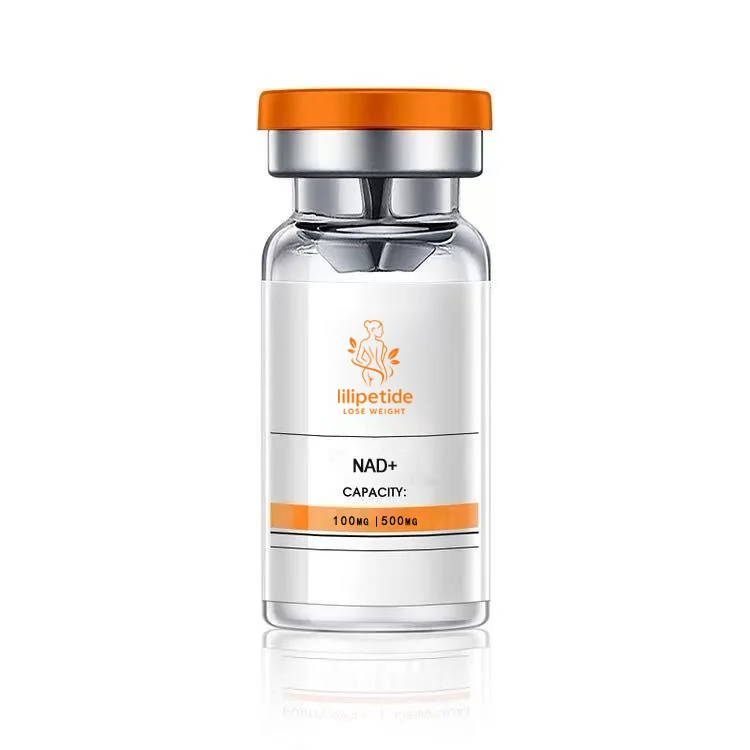
NAD+
NAD+ is a coenzyme, meaning it works with enzymes to facilitate essential biochemical reactions within cells. Chemically, NAD+ consists of two nucleotides joined by phosphate groups, with one nucleotide containing an adenine base and the other containing nicotinamide. This structure allows NAD+ to participate in electron transfer reactions that are fundamental to cellular energy production.
The body can synthesize NAD+ from various precursor compounds, including tryptophan, an amino acid found in protein-rich foods, and nicotinamide riboside, a form of vitamin B3 found in certain foods. This versatility in production pathways provides some flexibility in maintaining NAD+ levels through diet and supplementation.
How NAD+ Works in Cells
NAD+ functions primarily as an electron carrier in cellular respiration, the process by which cells convert nutrients into usable energy. During this process, NAD+ accepts electrons, becoming reduced to NADH, and then delivers these electrons to the mitochondria, the cellular powerhouses responsible for producing ATP, the primary energy currency of cells.
Beyond energy production, NAD+ serves as a substrate for various enzymes, including sirtuins, a family of proteins associated with cellular aging and stress resistance, and PARPs, enzymes involved in DNA repair. These additional roles expand NAD+’s importance far beyond simple energy metabolism to encompass fundamental aspects of cellular health and longevity.
Biological Roles and Functions
Energy Metabolism
One of NAD+’s primary roles involves facilitating the conversion of nutrients into cellular energy. Through its function in glycolysis, the citric acid cycle, and oxidative phosphorylation, NAD+ enables cells to extract energy from glucose, fats, and other nutrients. Without NAD+, these essential energy-producing pathways would grind to a halt.
The importance of this role becomes particularly apparent in tissues with high energy demands, such as muscles, the brain, and the heart. These tissues require substantial ongoing energy production to maintain their functions, making adequate NAD+ levels essential for their operation.
DNA Repair
NAD+ serves as a critical substrate for PARP (Poly ADP-ribose polymerase) enzymes, which are essential for DNA repair. When DNA damage occurs, PARP enzymes consume NAD+ to facilitate repair processes that maintain genetic integrity. This function becomes increasingly important as cells face ongoing environmental and metabolic challenges that can damage genetic material.
The connection between NAD+ and DNA repair has led to interest in how NAD+ levels might influence aging processes. Evidence suggests that declining NAD+ levels may contribute to reduced DNA repair capacity associated with aging.
Sirtuin Activation
Sirtuins, a family of proteins associated with longevity and cellular health, require NAD+ for their function. These proteins influence various aspects of cellular health, including metabolism, stress resistance, and inflammatory responses. The dependence of sirtuins on NAD+ provides a direct connection between NAD+ levels and cellular aging processes.
Research has demonstrated that sirtuin function is enhanced when NAD+ levels are adequate, while reduced NAD+ levels may compromise sirtuin activity. This relationship has fueled interest in NAD+ supplementation as an approach to support healthy aging.
NAD+ and the Aging Process
Declining Levels with Age
Research has consistently demonstrated that NAD+ levels decline with aging in multiple tissues. This decline has been observed across various species, including humans, and appears to be a consistent feature of the aging process. The reasons for this decline are multifactorial and may include reduced production, increased consumption, and altered cellular regulation.
The impact of declining NAD+ levels extends across multiple biological systems. Reduced NAD+ may contribute to decreased mitochondrial function, compromised DNA repair, and reduced sirtuin activity, all of which are associated with aging processes.
Connection to Age-Related Conditions
The decline in NAD+ levels has been connected to various conditions associated with aging. These include reduced energy metabolism, decreased cognitive function, metabolic disorders, and cardiovascular changes. While causation has not been established for all these connections, the correlations have generated significant interest in NAD+ supplementation.
Research exploring NAD+ supplementation has demonstrated some promising results in addressing age-related changes in various parameters. These findings suggest that supporting NAD+ levels may offer benefits for healthy aging, though additional research is needed to fully characterize these effects.
Potential Benefits and Approaches
Supporting Cellular Energy
One of the primary benefits of maintaining adequate NAD+ levels involves support for cellular energy production. With sufficient NAD+, cells can efficiently convert nutrients into ATP, supporting energy-requiring processes throughout the body. This benefit may be particularly relevant for tissues with high energy demands.
Approaches to supporting NAD+ levels include dietary intake of NAD+ precursors, supplementation with compounds like nicotinamide riboside or nicotinamide mononucleotide, and lifestyle factors that may influence NAD+ metabolism.
Metabolic Health Support
NAD+ plays important roles in metabolic regulation, influencing how cells process fats, carbohydrates, and proteins. Research has explored how NAD+ levels might affect metabolic parameters, with some evidence suggesting benefits for metabolic health when NAD+ levels are adequate.
The connection between NAD+ and metabolic health has made it an area of interest for conditions including insulin resistance, obesity, and related metabolic disorders. Research in this area continues to evolve.
Cognitive Function
NAD+ supports brain function in multiple ways, including energy production, DNA repair, and sirtuin activation. Research has explored how NAD+ levels might influence cognitive function, with some evidence suggesting potential benefits for brain health.
The brain’s high energy demands and ongoing need for cellular maintenance make adequate NAD+ levels particularly important for cognitive function. This connection has generated interest in NAD+ support approaches for cognitive health.
NAD+ Precursors and Supplementation
Nicotinamide Riboside
Nicotinamide riboside (NR) is a form of vitamin B3 that serves as a direct precursor for NAD+ synthesis. Research has demonstrated that supplementation with nicotinamide riboside can effectively increase NAD+ levels in various tissues. This compound has been widely studied and is available as a supplement.
The effectiveness of nicotinamide riboside in raising NAD+ levels has made it one of the most popular NAD+ boosting supplements. Research continues to explore optimal dosing and potential benefits.
Nicotinamide Mononucleotide
Nicotinamide mononucleotide (NMN) is another NAD+ precursor that has generated significant interest. Research has demonstrated that NMN supplementation can effectively increase NAD+ levels, and ongoing studies are exploring its potential benefits.
The growing interest in NMN has led to increased availability as a supplement, though research is still characterizng its effects in humans.
Niacin and Other Precursors
Various forms of vitamin B3, including niacin (nicotinic acid) and nicotinamide, can serve as NAD+ precursors. These compounds offer alternative approaches to supporting NAD+ levels, though they may have different effect profiles than nicotinamide riboside or NMN.
Therapeutic Applications
Potential therapeutic applications of NAD+ support approaches continue to be explored. These include applications in aging, metabolic disorders, neurological conditions, and cardiovascular health. While research is ongoing, the preliminary findings have generated significant interest.
The development of new NAD+ precursors and delivery methods may enhance the feasibility and effectiveness of NAD+ support approaches in clinical settings.
Conclusion
NAD+ represents an essential molecule for cellular health, with roles extending from energy metabolism to DNA repair to cellular aging processes. The decline in NAD+ levels associated with aging has generated significant interest in approaches to support NAD+ production throughout life.
The potential benefits of maintaining adequate NAD+ levels include support for cellular energy, metabolic function, cognitive health, and healthy aging processes. Multiple approaches to NAD+ support exist, including dietary precursors and supplementation with compounds like nicotinamide riboside and nicotinamide mononucleotide.
As research continues, more complete understanding of NAD+’s role in human health will emerge. For individuals interested in supporting their NAD+ levels, consultation with qualified healthcare providers can offer guidance based on individual health circumstances and current research.
The growing scientific interest in NAD+ reflects broader recognition of the importance of cellular health in overall wellbeing.
Reviews
There are no reviews yet.