

Description
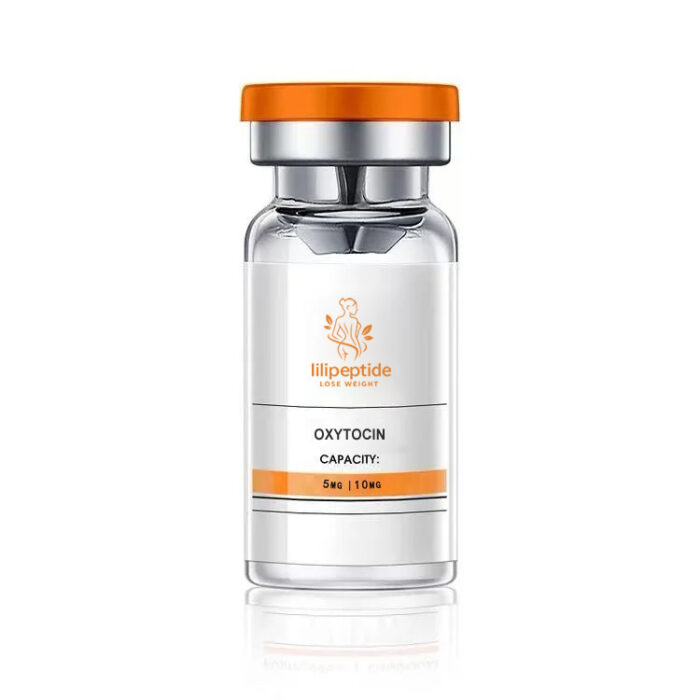
Oxytocin
Oxytocin is a peptide hormone and neuropeptide composed of nine amino acids. It is produced primarily in the hypothalamus, a region of the brain that controls many vital bodily functions, and is then stored and released by the posterior pituitary gland. Unlike many other hormones, oxytocin also acts as a neurotransmitter in the brain, influencing neural circuits that control social behavior and emotional responses.
The molecular structure of oxytocin has been understood since the 1950s, when scientists first determined its precise chemical composition. This understanding enabled synthetic production of the hormone for medical applications, leading to its widespread use in clinical settings. The molecule’s relatively simple structure makes it suitable for various delivery methods, including injection, nasal spray, and sublingual administration.
How Oxytocin Works in the Body
Oxytocin exerts its effects by binding to specific oxytocin receptors located throughout the body, including in the brain, reproductive organs, mammary glands, and cardiovascular system. When these receptors are activated, they trigger various physiological responses depending on the target tissue and the specific context of release.
The hormone is released in response to various stimuli, including physical touch, emotional connection, childbirth, and breastfeeding. This release pattern explains many of oxytocin’s behavioral effects, including the strong bonds formed between mothers and infants and the sense of trust experienced in close relationships.
Biological Roles and Functions
Social Bonding and Behavior
One of oxytocin’s most well-known roles involves social bonding and emotional connection. The hormone facilitates formation of strong emotional bonds between individuals, including romantic partnerships, parent-child relationships, and friendships. This bonding effect operates through brain reward pathways, strengthening positive associations with specific individuals.
Research has demonstrated that oxytocin increases trust and reduces fear in social situations. These effects have been observed in experimental settings where individuals receiving oxytocin show greater willingness to engage in social interactions and exhibit reduced anxiety during social encounters.
Reproduction and Childbirth
In reproductive contexts, oxytocin plays essential roles in both male and female physiology. For men, oxytocin helps regulate testosterone production and may influence sperm transport. For women, oxytocin’s roles are particularly significant during pregnancy and breastfeeding.
During childbirth, oxytocin stimulates uterine contractions that help move the baby through the birth canal. This function is so critical that synthetic oxytocin (often called Pitocin) is routinely used in medical settings to induce or augment labor when necessary. The hormone also helps control bleeding after delivery by causing uterine muscle contraction.
Breastfeeding and Milk Ejection
The let-down reflex, essential for breastfeeding, is mediated by oxytocin. When an infant suckles, nerve signals travel to the mother’s brain, triggering oxy release. This hormone then causes smooth muscle cells around the milk-producing glands to contract, releasing milk through the nipple.
This is so strongly associated with breastfeeding that mothers may experience milk ejection in response to hearing infant cries or even thinking about their baby. Proper functioning of this reflex is essential for successful breastfeeding and infant nutrition.
Stress Response and Anxiety
Oxy interacts with the body’s stress response systems in complex ways. The hormone has been shown to modulate the hypothalamic-pituitary-adrenal (HPA) axis, potentially reducing stress reactivity and promoting relaxation after stressful experiences.
This anxiolytic effect helps explain why social connection and physical touch can have such powerful calming effects. The hormone appears to counteract some of the negative effects of stress hormones like cortisol, supporting emotional equilibrium.
Medical Uses and Applications
Obstetric Applications
The most established medical use of oxytocin is in obstetrics. Synthetic oxy (Pitocin) is administered to induce labor, strengthen contractions during labor, and control postpartum hemorrhage. This use has saved countless lives and remains a cornerstone of modern obstetric care.
Dosing is carefully controlled in medical settings to achieve appropriate uterine contractions without excessive stimulation. Medical professionals monitor patients closely during oxy administration to ensure safety and effectiveness.
Nasal Spray Formulations
Oxy nasal sprays have been investigated for various applications beyond obstetrics, including treatment of social anxiety, autism spectrum conditions, and certain psychological disorders. While research continues, no nasal spray formulation has received widespread regulatory approval for these uses.
Some healthcare providers prescribe oxytocin nasal spray off-label for specific conditions, though evidence for many proposed applications remains limited. Patients should consult with qualified healthcare providers regarding appropriate use.
Potential Benefits for Mental Health
Social Functioning
Research has explored oxytocin’s potential benefits for social functioning, particularly in conditions involving social difficulty. Some studies have investigated its effects on social anxiety, autism, and related conditions, with mixed but sometimes promising results.
The social effects of oxy appear to involve enhancement of social perception and processing of social stimuli. These effects may explainsome of the hormone’s bonding and trust-promoting properties.
Emotional Regulation
Oxy may support emotional regulation through its interactions with stress-response systems. Some research suggests that the hormone promotes emotional resilience and helps maintain positive mood.
The complex interplay between oxytocin and other emotional regulation systems continues to be explored. Understanding these relationships may lead to new approaches for supporting mental health.
Safety Profile and Considerations
Side Effects and Risks
When used appropriately in medical settings, oxytocin is generally well-tolerated. However, certain side effects may occur, particularly with high doses or rapid administration. These may include uterine hyperstimulation, nausea, vomiting, and cardiovascular effects.
In obstetric settings, careful monitoring helps identify and manage any adverse effects. The benefits of appropriate oxy use generally outweigh risks when administered by trained professionals.
Contraindications and Precautions
Oxy is not appropriate for all patients. Contraindications may include certain obstetric complications, uterine sensitivity to oxy, or specific maternal health conditions. Healthcare providers carefully evaluate patient suitability before administration.
Patients with relevant medical histories should discuss these considerations with their healthcare providers to ensure appropriate care.
Natural Ways to Support Oxytocin
Physical Touch and Connection
Various natural stimuli can promote oxytocin release. Physical touch, including hugging, cuddling, and massage, strongly stimulates oxy production. These effects help explain the emotional benefits of close relationships and physical affection.
For individuals lacking regular physical contact, alternative bonding activities such as pet ownership may provide similar benefits. Research suggests that positive interaction with companion animals can also promote oxytocin release.
Social Activities and Relationships
Meaningful social interactions naturally support oxy production. Spending time with close friends and family, engaging in positive conversations, and participating in social activities all contribute to healthy oxytocin function.
Building and maintaining strong social connections supports overall wellbeing through oxytocin’s effects, among other mechanisms. These benefits highlight the importance of social health alongside physical and mental health.
Exercise and Music
Research has demonstrated that various activities including exercise, singing, and musical activities can promote oxytocin release. These findings suggest multiple pathways for supporting natural oxytocin production beyond direct physical contact.
The diversity of activities that support oxy release provides options for individuals to incorporate these practices into daily life. Regular engagement with these activities may contribute to overall emotional wellbeing.
Therapeutic Development
Pharmaceutical companies continue to investigate novel formulations and delivery methods for oxytocin that may enhance its clinical utility. These developments may expand the range of conditions that can be effectively addressed.
As research progresses, more effective approaches to leveraging oxytocin’s beneficial effects may emerge. The ongoing commitment to understanding this hormone ensures continued progress in utilizing its potential.
Conclusion
Oxy stands as one of the most versatile and important molecules in human physiology. Beyond its well-known roles in social bonding and childbirth, this remarkable hormone influences numerous aspects of health and wellbeing, from stress response to emotional regulation, from reproduction to healing.
Understanding oxytocin’s functions provides valuable insights into human behavior and health. The hormone’s effects highlight the profound connection between physical and emotional wellbeing, demonstrating how biological processes influence and are influenced by our social lives.
For individuals interested in supporting their natural oxy production, various approaches including meaningful social connection, physical touch, and positive social activities offer accessible options. These practices align with broader recommendations for emotional and social health.
Reviews
There are no reviews yet.