

Description
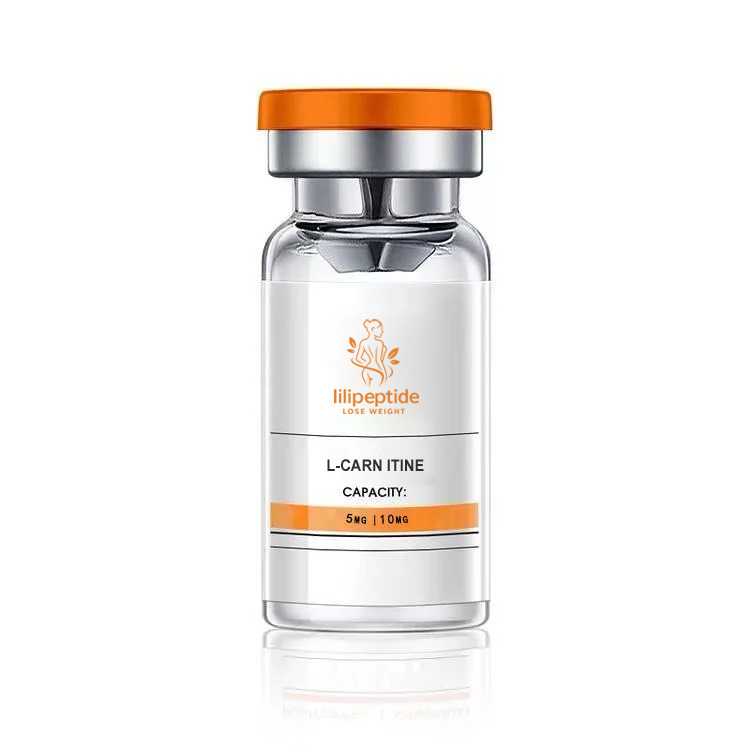
L-Carn Itine
L-Carnitine is a quaternary ammonium compound synthesized in the body from the amino acids lysine and methionine. This process requires adequate amounts of vitamin C, iron, and B vitamins (B3, B6, and B12) to proceed efficiently. Chemically, L-Carnitine functions as a zwitterion, meaning it carries both positive and negative charges, giving it unique properties that facilitate its transport across cellular membranes.
The body produces L-Carnitine primarily in the liver and kidneys, with smaller amounts produced in the brain. While the body can synthesize L-Carnitine, many individuals may benefit from additional intake through diet or supplementation to support optimal function. The name “carnitine” derives from the Latin word “carno,” meaning flesh, reflecting its initial discovery in meat products.
How L-Carnitine Works in the Body
The primary function of L-Carnitine involves facilitating fatty acid transport across mitochondrial membranes. Long-chain fatty acids cannot freely enter mitochondria; instead, they must be bound to L-Carnitine to form acetyl-carnitine, which can then be transported into the mitochondrial matrix through a specific transporter called carnitine palmitoyltransferase (CPT).
Once inside mitochondria, fatty acids undergo beta-oxidation, a process that generates ATP, the primary energy currency of cells. This mechanism is particularly important for muscle tissue, including both skeletal muscle and the heart, which rely heavily on fatty acid oxidation for energy, especially during sustained activity. The efficiency of this process directly impacts energy levels, exercise capacity, and metabolic health.
Biological Functions and Roles
Energy Production and Metabolism
L-Carnitine’s most well-documented role involves support for energy production through fatty acid oxidation. By facilitating the transport of fatty acids into mitochondria, L-Carnitine enables cells to efficiently convert stored fat into usable energy. This function has significant implications for athletic performance, weight management, and overall energy levels.
The benefits of efficient fatty acid oxidation extend beyond immediate energy production. When the body can effectively utilize fat for energy, it may reduce reliance on carbohydrate stores, potentially improving endurance and reducing fatigue during prolonged physical activity. This metabolic flexibility represents an important aspect of metabolic health.
Heart Health Support
The heart is one of the most metabolically active organs in the body, requiring substantial energy to maintain its continuous pumping function. L-Carnitine plays a particularly important role in supporting heart muscle energy metabolism, making it an area of significant research interest for cardiovascular health.
Research has explored how L-Carnitine supplementation may support various aspects of heart function, including energy production in heart muscle cells and overall cardiovascular performance. These potential benefits have made L-Carnitine an area of interest for individuals seeking to support their cardiovascular health.
Brain Health and Cognitive Function
L-Carnitine supports brain health through multiple mechanisms. The brain requires substantial energy to maintain cognitive function, and L-Carnitine helps ensure adequate energy supply to brain cells. Additionally, L-Carnitine has demonstrated neuroprotective properties in research settings.
The potential cognitive benefits of L-Carnitine have generated significant interest, particularly for aging individuals concerned about maintaining cognitive function. Research has explored its effects on various aspects of cognitive performance, including memory and concentration.
Health Benefits and Applications
Athletic Performance and Exercise
L-Carnitine has been extensively studied for its potential to enhance athletic performance. By supporting efficient energy production from fatty acids, L-Carnitine may help improve exercise capacity, reduce fatigue, and support post-exercise recovery. These effects make it popular among athletes and fitness enthusiasts seeking to optimize their performance.
Research has explored L-Carnitine supplementation in various exercise contexts, including both endurance and high-intensity activities. The potential benefits include improved time to exhaustion, enhanced recovery, and better exercise performance over time.
Weight Management Support
Due to its role in fatty acid metabolism, L-Carnitine has been explored for potential applications in weight management. By supporting the body’s ability to utilize fat for energy, L-Carnitine may complement weight management efforts when combined with appropriate diet and exercise.
The combination of L-Carnitine’s effects on energy metabolism and its potential to support exercise performance makes it an attractive option for individuals engaged in weight management programs.
Male Fertility and Reproductive Health
Research has demonstrated that L-Carnitine plays important roles in male reproductive function. The epididymis, where sperm mature, contains high concentrations of L-Carnitine, suggesting important roles in sperm development and function.
Studies have explored how L-Carnitine supplementation may support various parameters of male fertility, including sperm count and motility. These findings have generated interest in L-Carnitine for reproductive health applications.
Sources and Supplementation
Dietary Sources
Carnitine is found primarily in animal products, with particularly high concentrations in red meat., beef, and pork contain significant amounts, while dairy products and fish provide moderate levels. Plant-based sources contain minimal Carnitine, making supplementation particularly important for vegetarians and vegans.
Cooking methods can affect Carnitine content, with baking and boiling causing less loss than grilling or roasting. However, achieving therapeutic doses through diet alone can be challenging, making supplementation beneficial for many individuals.
Forms of Supplementation
Several forms of Carnitine supplements are available, including L-Carnitine, acetyl-L-Carnitine, and Carnitine tartrate. Each form has different characteristics and potential applications. Acetyl-Carnitine, which can cross the blood-brain barrier more easily, is often used for cognitive health applications.
The appropriate form depends on individual goals and circumstances. Healthcare providers can offer guidance on selecting the most appropriate supplement form.
Safety Profile and Considerations
Generally Favorable Safety
Carnitine is generally well-tolerated when used at recommended doses. The most commonly reported side effects are typically mild and may include nausea, stomach cramps, or fishy body odor. These effects can often be managed by adjusting the dose or taking supplements with food.
Serious side effects are rare, and Carnitine has an extensive safety record spanning decades of use. However, as with any supplement, appropriate use under guidance is recommended.
Appropriate Dosing
Typical Carnitine doses range from 500mg to 2000mg daily, depending on the specific application and individual factors. Starting with lower doses and gradually adjusting is generally recommended to assess tolerance.
Healthcare providers can offer personalized guidance on appropriate dosing based on individual health status and specific goals.
Interactions and Contraindications
Carnitine may interact with certain medications, particularly thyroid medications and blood thinners. Individuals with specific health conditions should consult with healthcare providers before beginning supplementation.
Pregnant and breastfeeding individuals should consult with healthcare providers before using Carnitine supplements.
The Science Behind the Benefits
Research Evidence
Extensive research supports the benefits of Carnitine for various applications. Studies have demonstrated its roles in energy metabolism, exercise performance, and various aspects of health. While some applications have stronger evidence than others, the overall research base is substantial.
The most robust evidence supports Carnitine’s benefits for heart health and exercise performance, while applications for cognitive function and fertility remain areas of active investigation.
Mechanisms of Action
L-Carnitine exerts its effects through multiple mechanisms. Beyond its role in fatty acid transport, Carnitine has demonstrated antioxidant properties and effects on cellular function. These diverse mechanisms help explain its wide-ranging benefits for health.
Understanding these mechanisms helps clarify why Carnitine affects so many different aspects of physiological function.
Potential Developments
New formulations and delivery methods for Carnitine may enhance its effectiveness and convenience. These advancements may expand applications and improve outcomes for various health goals.
The ongoing commitment to research ensures continued progress in understanding and utilizing L-Carnitine’s potential benefits.
Conclusion
L-Carnitine represents one of the most important compounds for energy metabolism and overall health. Its essential role in transporting fatty acids into mitochondria makes it crucial for efficient energy production, with benefits extending to heart health, brain function, exercise performance, and male reproductive health.
The potential benefits of Carnitine include support for athletic performance, weight management, cognitive function, and cardiovascular health. Available through both dietary sources and supplements, Carnitine offers accessible support for various health goals.
For individuals interested in exploring Carnitine supplementation, consultation with qualified healthcare providers can offer guidance based on individual health circumstances and specific goals. The extensive research base supporting Carnitine makes it one of the most well-documented nutritional supplements available.
The growing scientific interest in Carnitine reflects broader recognition of its importance in human physiology. As research continues, more complete understanding of its potential applications and benefits will emerge, solidifying Carnitine’s place as a fundamental nutrient for health and wellbeing.
Reviews
There are no reviews yet.