


Description
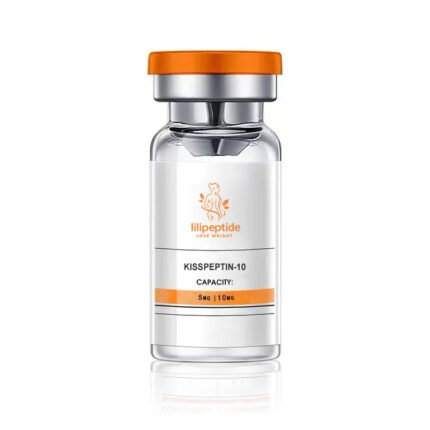
Kisspeptin-10
Kisspeptin-10 is a 10-amino acid peptide encoded by the KISS1 gene. This peptide is derived from a larger precursor protein called kisspeptin, which can be cleaved into various forms including kisspeptin-54, kisspeptin-14, kisspeptin-13, and kisspeptin-10. Among these, kisspeptin-10 represents the smallest biologically active fragment while retaining significant functional activity.
The peptide exerts its effects by binding to the kisspeptin receptor, KISS1R, also known as GPR54. This receptor is a G protein-coupled receptor (GPR) found primarily in the hypothalamus, pituitary gland, and reproductive tissues. When kisspeptin-10 binds to KISS1R, it triggers intracellular signaling cascades that ultimately stimulate the release of gonadotropin-releasing hormone (GnRH) from the hypothalamus.
The Discovery and Research History
The identification of kisspeptin came from research in the late 1990s investigating metastatic potential in certain cancers. Scientists discovered that the KISS1 gene, when expressed in metastatic cancer cells, could suppress their ability to spread. Subsequent research revealed that the protein encoded by this gene played crucial roles in regulating reproductive function.
Further investigation established kisspeptin’s role as the central regulator of the reproductive axis. This discovery represented a paradigm shift in understanding how reproduction is controlled, as kisspeptin emerged as the master regulator that integrates various signals to coordinate reproductive function through GnRH release.
Biological Functions and Roles
Regulation of the Reproductive Axis
Kisspeptin-10’s primary function involves stimulation of the hypothalamic-pituitary-gonadal axis. When kisspeptin-10 binds to its receptor in the hypothalamus, it triggers the release of GnRH, which then stimulates the pituitary gland to release luteinizing hormone (LH) and follicle-stimulating hormone (FSH). These pituitary hormones, in turn, stimulate the gonads to produce sex hormones and gametes.
This cascade represents the fundamental pathway controlling human reproduction. The precision and effectiveness of this regulation make kisspeptin essential for normal reproductive function, from puberty development through adult reproductive capacity.
Puberty Onset and Development
Kisspeptin plays a crucial role in initiating puberty. Research has demonstrated that the activation of the kisspeptin-KISS1R system triggers the onset of puberty by activating the previously dormant reproductive axis. This discovery helped explain the mechanisms controlling pubertal development.
Individuals with loss-of-function mutations in KISS1R experience hypogonadotropic hypogonadism and fail to enter puberty normally, demonstrating the absolute requirement for this system in human reproduction.
Seasonal Reproduction and Photoperiodism
In species with seasonal breeding patterns, kisspeptin serves as a key mediator of photoperiodic information. The hypothalamus integrates information about day length through the melatonin signal and uses kisspeptin to regulate reproductive function accordingly. This allows for timing reproduction to optimize reproductive success.
While human reproduction is not strictly seasonal, the kisspeptin system responds to various environmental and metabolic signals, demonstrating its role as an integrative system.
Health Benefits and Applications
Reproductive Health Support
Kisspeptin-10 has been explored for potential applications in supporting reproductive health. Research has investigated its use in conditions involving reduced reproductive function, including hypogonadotropic hypogonadism and certain cases of infertility.
The direct stimulation of the reproductive axis through kisspeptin-10 offers a potential approach for addressing reproductive concerns that involve hypothalamic-pituitary dysfunction.
Diagnostic Applications
Kisspeptin-10 has been used in diagnostic settings to assess the functional status of the reproductive axis. The kisspeptin stimulation test evaluates whether the reproductive axis can respond appropriately to stimulation, helping distinguish between various causes of reproductive dysfunction.
This diagnostic application provides valuable clinical information that can guide treatment decisions.
Metabolic and Energy Balance
Kisspeptin integrates metabolic signals to regulate reproductive function based on energy availability. This function ensures that reproduction occurs under appropriate metabolic conditions, optimizing the chances of reproductive success.
The connection between metabolic status and reproduction through kisspeptin helps explain why extreme thinness or obesity can affect reproductive function.
Research and Clinical Evidence
Preclinical Findings
Extensive preclinical research has established kisspeptin-10’s mechanisms and effects. Studies in animal models have demonstrated its potent stimulation of the reproductive axis and its role in coordinating reproductive function with environmental conditions.
These findings provide the foundation for clinical investigation and therapeutic development.
Current Research Status
Research into kisspeptin continues to advance as scientists explore various applications. The peptide remains an area of active investigation for reproductive health applications.
Clinical studies have demonstrated its ability to stimulate reproductive hormones in humans, supporting further investigation into therapeutic applications.
Safety Profile and Considerations
Current Understanding of Safety
Research suggests kisspeptin is generally well-tolerated at studied doses, with a favorable safety profile. The most commonly observed effects relate to stimulation of the reproductive axis, which represents its intended mechanism.
As with any therapeutic compound, appropriate medical supervision is essential for safe use.
Medical Supervision Requirements
Kisspeptin should only be used under appropriate medical supervision from qualified healthcare providers. These providers can evaluate individual patient factors and determine whether specific interventions are appropriate.
Patients interested in kisspeptin-10 should consult with healthcare providers who can offer guidance based on current research and individual health circumstances.
Comparison with Other Approaches
Kisspeptin vs. GnRH
Unlike GnRH therapy, which provides downstream stimulation directly at the pituitary, kisspeptin-10 works more upstream by stimulating endogenous GnRH release. This physiological approach may offer advantages in certain situations by preserving natural pulsatile patterns.
The distinction between these approaches provides different options for addressing reproductive concerns.
Kisspeptin vs. Gonadotropins
Compared to direct gonadotropin therapy, kisspeptin-10 works through a different mechanism that may offer distinct advantages. The natural stimulation of the axis may provide more physiological responses in some situations.
Healthcare providers consider various factors when selecting appropriate interventions.
Therapeutic Developments
New formulations and delivery methods for kisspeptin-10 may enhance its effectiveness and convenience. These advancements may expand applications and improve outcomes.
The ongoing commitment to research ensures continued progress in understanding and utilizing kisspeptin-10’s potential benefits.
Conclusion
Kisspeptin-10 represents one of the most important discoveries in reproductive endocrinology, serving as the master regulator of the reproductive axis. Its role in controlling GnRH release and coordinating reproductive function makes it essential for normal human reproduction.
The potential benefits of kisspeptin include support for reproductive health, diagnostic applications, and integration of metabolic signals. Its unique mechanism offers distinct advantages compared to other approaches to reproductive health.
For individuals interested in exploring kisspeptin applications, consultation with qualified healthcare providers can offer guidance based on individual health circumstances and specific goals.



Reviews
There are no reviews yet.