
Description
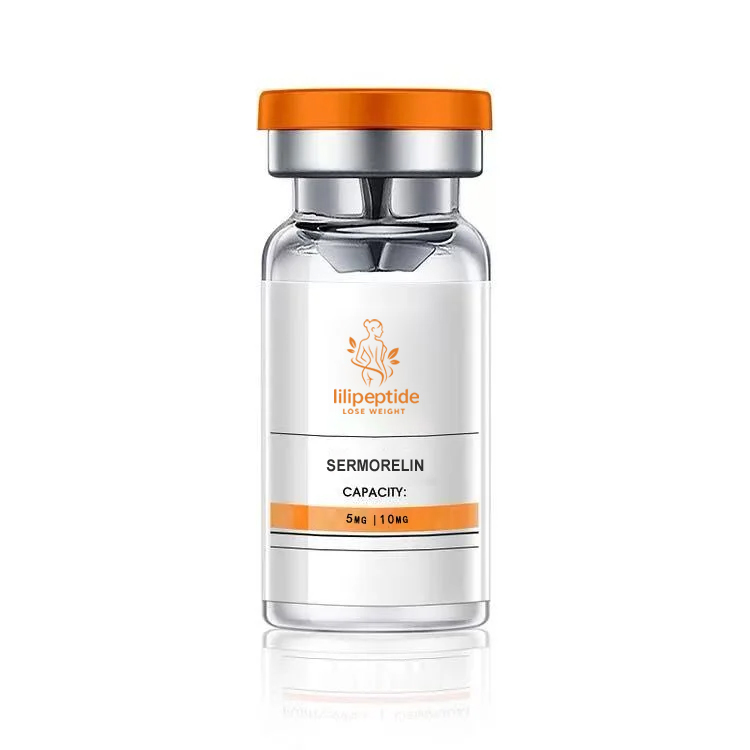
Sermorelin
Sermorelin is a synthetic peptide consisting of 29 amino acids, representing the active portion of the naturally occurring growth hormone-releasing hormone. The peptide is designed to mimic the actions of endogenous GHRH, which is produced in the hypothalamus and stimulates the pituitary gland to release growth hormone into the bloodstream.
The chemical structure of Sermorelin allows it to bind to specific receptors in the pituitary gland, triggering the release of growth hormone in a manner that mirrors the body’s natural signaling processes. This targeted approach helps maintain more normal physiological rhythms in growth hormone secretion.
How It Works: The Mechanism of Action
Sermorelin operates by stimulating the somatotroph cells in the anterior pituitary gland. These cells are responsible for producing and releasing growth hormone in response to various stimuli, including sleep, exercise, and nutritional status.
When administered, Sermorelin binds to GHRH receptors on the pituitary gland, activating intracellular signaling pathways that lead to growth hormone release. The released GH then stimulates the liver and other tissues to produce insulin-like growth factor 1 (IGF-1), which mediates many of growth hormone’s beneficial effects on metabolism, muscle growth, and cellular repair.
One of the key advantages of Sermorelin’s mechanism is its ability to preserve the natural pulsatile release pattern of growth hormone. This contrasts with direct GH replacement therapy, which can potentially suppress the body’s own GH production over time.
Medical Uses and Applications
Diagnostic Testing for Growth Hormone Deficiency
One of the primary applications of Sermorelin is in diagnostic testing for growth hormone deficiency. The Sermorelin stimulation test evaluates the pituitary gland’s ability to release growth hormone in response to stimulation, helping healthcare providers diagnose GH deficiency in both children and adults.
During the test, Sermorelin is administered, and blood samples are collected at intervals to measure the growth hormone response. A subnormal response indicates growth hormone deficiency, which may warrant further evaluation and potential treatment. This test is particularly valuable for patients presenting with symptoms of GH deficiency but uncertain diagnosis.
Therapeutic Applications
Beyond diagnostic uses, Sermorelin has therapeutic applications in certain clinical scenarios. It may be prescribed for patients with confirmed growth hormone deficiency who prefer a more physiological approach to hormone replacement. This includes individuals with panhypopituitarism, growth hormone deficiency resulting from pituitary tumors or their treatment, and other conditions affecting pituitary function.
Sermorelin’s use in anti-aging and wellness medicine has also generated interest, though this remains somewhat controversial. Some practitioners advocate for its use to support healthy growth hormone levels in aging individuals experiencing declining GH production associated with aging.
Benefits and Advantages
Physiological Approach to Growth Hormone Support
Sermorelin offers several benefits over direct growth hormone replacement therapy. Its primary advantage lies in its ability to stimulate the body’s natural growth hormone production, potentially preserving pituitary function and maintaining normal hormonal rhythms.
The physiological approach may result in more natural fluctuations in growth hormone levels throughout the day, as the body continues to respond to other stimuli that normally influence GH release. This contrasts with the relatively stable levels achieved through direct GH administration.
Potential for Reduced Side Effects
Because Sermorelin works through the body’s own mechanisms, some practitioners suggest it may be associated with a reduced risk of certain side effects compared to direct GH replacement. However, any treatment affecting growth hormone levels requires careful monitoring regardless of the approach.
The ability to maintain natural feedback mechanisms is another potential advantage, as the body can continue to regulate growth hormone production based on actual physiological needs rather than externally administered doses.
Safety Profile and Important Considerations
Common Side Effects
Sermorelin is generally well-tolerated when used appropriately under medical supervision. The most commonly reported side effects are typically mild and may include injection site reactions such as redness, swelling, or discomfort. These local reactions usually resolve on their own and are not typically cause for concern.
Other potential side effects may include headache, flushing, or mild nausea, though these are less common. As with any peptide therapy, allergic reactions are possible though rare. Patients should report any unusual or persistent symptoms to their healthcare provider.
Medical Supervision Requirements
Sermorelin should only be used under the supervision of qualified healthcare providers experienced in growth hormone disorders. Proper patient selection, dosing, and monitoring are essential for safe and effective use.
Before initiating therapy, healthcare providers typically conduct comprehensive evaluations to confirm growth hormone deficiency and identify any underlying conditions that may affect treatment. Regular monitoring of growth hormone levels, IGF-1 levels, and clinical response is important to ensure appropriate outcomes.
Contraindications and Precautions
Sermorelin is not appropriate for all patients. Contraindications may include known hypersensitivity to Sermorelin or any components of the formulation, suspected or confirmed pituitary tumors, and certain medical conditions where growth hormone stimulation may not be appropriate.
Pregnancy and breastfeeding considerations also apply, as the effects of Sermorelin during these periods are not well studied. Patients should provide complete medical history to their healthcare providers to ensure appropriate evaluation and treatment planning.
Comparison with Other Options
Sermorelin vs. Direct Growth Hormone Replacement
The comparison between Sermorelin and direct growth hormone replacement involves several important considerations. Direct GH replacement provides more predictableGH levels and may be more appropriate for patients with severe deficiency or those who have failed to respond adequately to stimulation approaches.
Sermorelin’s reliance on functional pituitary tissue limits its effectiveness in patients with significant pituitary damage or dysfunction. In such cases, direct GH replacement may be necessary to achieve adequate growth hormone levels.
Sermorelin vs. Other GH-Stimulating Compounds
Other compounds that stimulate growth hormone release include GHRP (growth hormone-releasing peptides) and GHRH analogs. Each has different mechanisms and effects, and selection among these options depends on individual patient factors and clinical goals.
The combination of Sermorelin with other growth hormone-stimulating peptides is sometimes explored in research settings, though such combinations require careful evaluation for safety and efficacy.
The Future of Sermorelin Therapy
Ongoing Research
Research continues to explore the potential applications of Sermorelin and related peptides in various clinical settings. This includes investigations into optimal dosing strategies, combination approaches, and applications in specific patient populations.
The development of new delivery systems and formulations may improve the convenience and effectiveness of Sermorelin therapy in the future. Advances in understanding growth hormone physiology continue to inform refinements in treatment approaches.
Clinical Practice Trends
The use of Sermorelin in clinical practice varies by region and by provider. Its diagnostic applications remain well-established, while therapeutic uses continue to be evaluated in appropriate clinical settings.
Growing interest in physiological approaches to hormone optimization may increase attention on peptides like Sermorelin that work through natural mechanisms. However, evidence-based practice remains essential, and patients should seek treatment from qualified healthcare providers.
Conclusion
Sermore represents an important option in the evaluation and treatment of growth hormone disorders. Its ability to stimulate natural growth hormone production through physiological pathways makes it valuable in both diagnostic testing and selected therapeutic applications.
For patients with growth hormone deficiency, Sermore offers an alternative approach that works with the body’s own mechanisms rather than directly replacing growth hormone. The potential benefits of this approach include maintained natural rhythms and preserved pituitary function, though appropriate patient selection and monitoring are essential.
As with any medical therapy, decisions regarding Sermore use should be made in consultation with qualified healthcare providers who can evaluate individual patient needs and circumstances. Patients interested in exploring Sermor therapy should undergo comprehensive evaluation to determine whether this approach is appropriate for their specific situation.
The ongoing development of peptide-based therapies continues to expand options for patients with hormonal disorders, reflecting the ongoing commitment to advancing care through innovative approaches that work with the body’s natural mechanisms.
Reviews
There are no reviews yet.