
Description
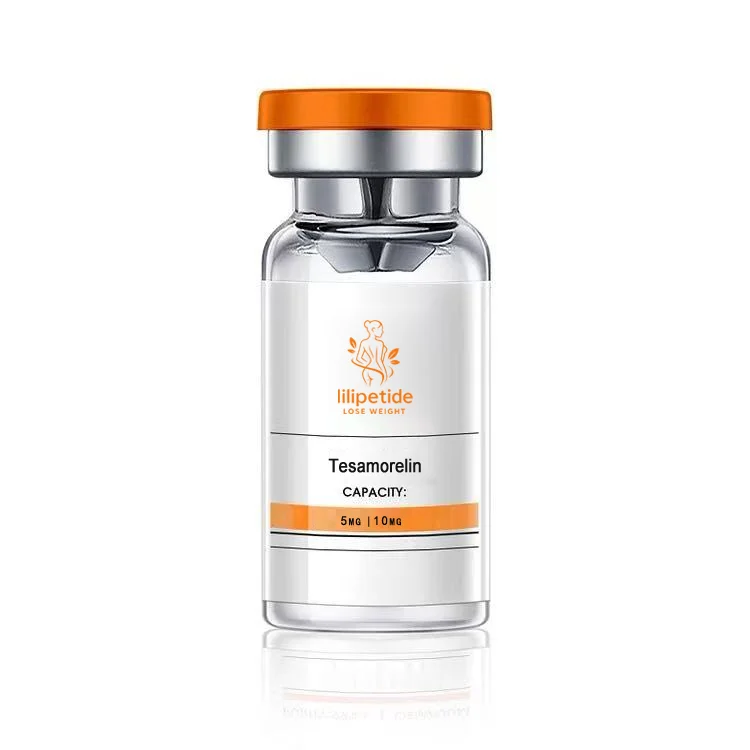
Tesamorelin
Tesamorelin is a synthetic analog of growth hormone-releasing hormone (GHRH), also known as growth hormone-releasing factor. The medication consists of 44 amino acids designed to mimic the action of naturally occurring GHRH, which is produced in the hypothalamus and stimulates the pituitary gland to release growth hormone.
The development of Tesamorelin specifically addressed a need in HIV care, as many individuals with HIV experience a distinctive pattern of fat redistribution known as lipodystrophy. This condition involves increased abdominal fat accumulation despite limb fat loss, creating both cosmetic concerns and potential metabolic complications.
Tesamorelin is administered through subcutaneous injection and is available by prescription under the brand name Egrifta in countries where it has received regulatory approval. The medication is specifically indicated for the treatment of excess abdominal fat in individuals with HIV and lipodystrophy.
Mechanism of Action
Tesamorelin works by stimulating the body’s own growth hormone production through activation of GHRH receptors in the pituitary gland. Understanding this mechanism provides insight into how the medication addresses abdominal fat accumulation.
Growth Hormone Release Stimulation
GHRH is a hypothalamic hormone that normally signals the pituitary gland to release growth hormone into the bloodstream. Growth hormone then stimulates various tissues throughout the body, including lean body mass and metabolism. By providing exogenous GHRH analog, Tesamorelin enhances this natural pathway.
The stimulation of growth hormone release leads to increased production of insulin-like growth factor-1 (IGF-1), which mediates many of growth hormone’s effects on metabolism and body composition. This increase in GH and IGF-1 helps mobilize fat, particularly from visceral adipose tissue stores.
Effects on Body Composition
Growth hormone promotes lipolysis, the breakdown of stored triglycerides into free fatty acids for energy use. This effect is particularly relevant in treating abdominal fat accumulation, as growth hormone preferentially targets visceral fat stores.
The mechanism through which Tesamorelin reduces abdominal fat involves multiple pathways. Growth hormone enhances fat breakdown, reduces fat storage, and may improve insulin sensitivity in some individuals. These combined effects help address the specific pattern of fat redistribution seen in HIV-associated lipodystrophy.
Approved Uses and Indications
Tesamorelin is specifically approved for the treatment of excess abdominal fat in individuals with HIV and lipodystrophy. This indication reflects the medication’s targeted mechanism and the research supporting its use in this specific population.
HIV-Associated Lipodystrophy
HIV-associated lipodystrophy represents a complex metabolic condition affecting many individuals with HIV, particularly those on combination antiretroviral therapy. The condition involves abnormal fat distribution, including increased abdominal fat (lipohypertrophy) and decreased fat in the face, arms, and legs (lipoatrophy).
Excess abdominal fat in this population carries health implications beyond cosmetic concerns. Visceral fat accumulation is associated with metabolic disturbances including insulin resistance, dyslipidemia, and increased cardiovascular risk. Addressing this fat accumulation may help reduce these associated health risks.
The specific FDA-approved indication for Tesamorelin is the reduction of excess abdominal fat in HIV-infected patients with lipodystrophy. This approval reflects clinical trial data demonstrating the medication’s effectiveness in this specific indication.
Clinical Effectiveness
Clinical trials evaluating Tesamorelin have demonstrated significant reductions in visceral abdominal fat. Studies have shown average reductions in waist circumference and visceral adipose tissue measured through imaging studies.
The effectiveness of Tesamorelin appears sustained with continued use, though some studies suggest effects may diminish over time. Healthcare providers monitor response to treatment through physical examination and imaging studies to assess individual responses.
Administration and Dosing
Tesamorelin is administered through subcutaneous injection, typically in the abdominal area. Proper administration technique ensures optimal absorption and effectiveness.
Dosing Schedule
The standard dosing regimen for Tesamorelin involves daily injection of 2 milligrams. The medication is typically administered at the same time each day, often in the morning or evening, according to patient preference and scheduling consistency.
Healthcare providers may adjust dosing based on individual response and tolerability. Some patients may achieve adequate response at lower doses, while others may require the full dose for optimal effect.
Injection Technique
Tesamorelin is administered using a prefilled syringe or injection device. The injection is given subcutaneously (into the fatty tissue layer beneath the skin), typically in the abdominal area away from the navel.
Proper injection rotation helps minimize injection site reactions. Patients receive training on injection technique before initiating self-administration, ensuring appropriate handling and administration.
Safety Profile and Side Effects
Understanding the safety profile of Tesamorelin helps healthcare providers and patients make informed treatment decisions. The medication is generally well-tolerated, though certain side effects are recognized.
Common Side Effects
The most frequently reported side effects associated with Tesamorelin include injection site reactions including redness, swelling, or discomfort. These local reactions are typically mild and tend to diminish over time with continued use.
Other common side effects include joint pain, swelling, and muscle-related complaints. Some patients experience headache or flu-like symptoms during initial treatment periods.
Considerations
Tesamorelin stimulates growth hormone production, which may affect other hormonal pathways. Healthcare providers monitor patients for changes in glucose metabolism, as growth hormone can affect insulin sensitivity.
The medication is not recommended for individuals with known hypersensitivity to Tesamorelin or any of its components. Patients with a history of pituitary dysfunction, head trauma, or certain medical conditions should discuss their history with healthcare providers before starting treatment.
Limited data exists on Tesamorelin use during pregnancy and breastfeeding, and healthcare providers consider the individual risk-benefit in these situations.
Research and Future Directions
Research on Tesamorelin continues to explore additional applications and optimize treatment approaches. The medication’s growth hormone-stimulating mechanism has generated interest in potential applications beyond HIV-associated lipodystrophy.
Ongoing Studies
Research continues to evaluate Tesamorelin’s effects on metabolic parameters, including insulin sensitivity and lipid profiles. Studies are examining whether the reductions in visceral fat achieved with treatment translate into improved metabolic outcomes over time.
Additional research is exploring potential applications in other conditions involving growth hormone deficiency or excess abdominal fat accumulation. However, these applications remain investigational and are not currently approved indications.
Long-Term Data
Long-term effectiveness and safety data continue to accumulate as the medication has been used in clinical practice. This data helps refine understanding of optimal treatment approaches and long-term outcomes.
Conclusion
Tesamorelin represents an important treatment option for individuals with HIV-associated lipodystrophy experiencing excess abdominal fat accumulation. This synthetic GHRH analog works by stimulating natural growth hormone production, helping mobilize visceral fat and improve body composition in this specific patient population.
The medication is specifically indicated for HIV-associated lipodystrophy, reflecting the targeted research supporting its use in this indication. Clinical trials have demonstrated significant reductions in visceral abdominal fat with continued treatment.
As with all prescription medications, Tesamorelin should be used under appropriate medical supervision. Healthcare providers consider individual patient factors when recommending this treatment, including overall health status, concomitant medications, and treatment goals. Regular monitoring helps ensure optimal outcomes and manage potential side effects.
The development of Tesamorelin addresses a specific unmet need in HIV care, providing a targeted therapy for a challenging complication of HIV and its treatment. As research continues, the role of this medication in managing metabolic complications may become better defined.
Reviews
There are no reviews yet.