
Description
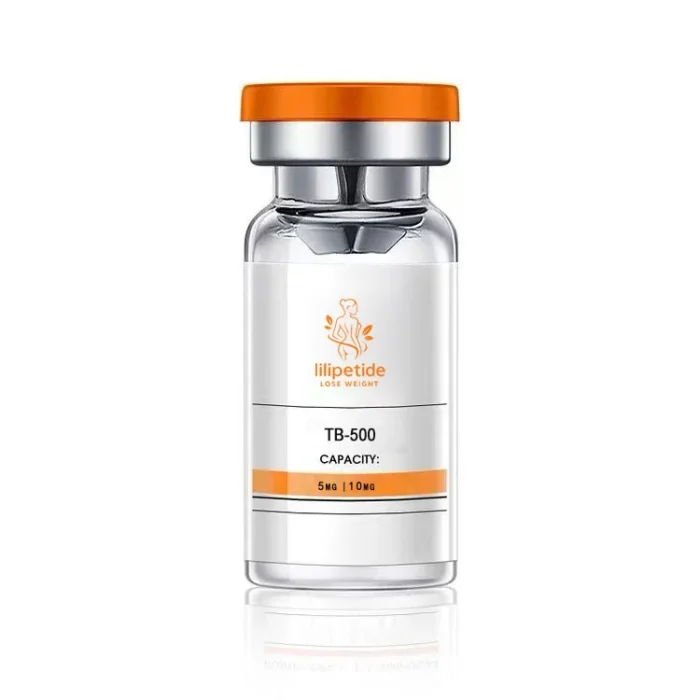
TB-500
TB-500 is a synthetic peptide consisting of 43 amino acids, designed to replicate the structure and function of the naturally occurring peptide Thymosin Beta-4. Thymosin Beta-4 is found in various tissues throughout the human body, with particularly high concentrations in blood platelets, endothelial cells, and various tissues involved in wound healing.
The development of TB-500 emerged from research into Thymosin Beta-4 and its roles in tissue repair and regeneration. Scientists developed the synthetic version to study its potential therapeutic applications in conditions involving tissue damage, inflammation, and impaired healing.
TB-500 is not approved by the U.S. Food and Drug Administration (FDA) or similar regulatory agencies in other countries for any medical indication. The compound remains classified as investigational, meaning it continues to be studied in research settings rather than being established as a standard medical treatment.
The Science Behind TB-500
What Is Thymosin Beta-4?
Thymosin Beta-4 is a naturally occurring 43-amino acid peptide encoded by the TMSB4X gene in humans. This peptide is expressed in various cell types throughout the body and plays roles in numerous physiological processes including cell migration, proliferation, and tissue repair.
The peptide is particularly abundant in blood, where it is secreted by platelets during the healing process. Thymosin Beta-4 participates in the complex cascade of events that enable tissue repair, from initial inflammation through tissue regeneration.
Research has shown that Thymosin Beta-4 participates in multiple signaling pathways involved in healing. The peptide interacts with various cellular processes, affecting how cells respond to injury and stimulating the repair mechanisms the body naturally employs.
How TB-500 Relates to Thymosin Beta-4
TB-500 is designed to replicate the amino acid sequence of Thymosin Beta-4, making it essentially a synthetic version of this naturally occurring peptide. In theory, administering TB-500 could supplement or enhance the body’s natural Thymosin Beta-4 activity.
However, it is important to note that while TB-500 shares structural similarity with Thymosin Beta-4, its effects in the human body may differ from the natural peptide due to various factors including timing, localization, and concentration achieved through different administration approaches.
Research and Studies
Research on TB-500 and Thymosin Beta-4 has progressed through several phases, providing insight into potential mechanisms and effects.
Preclinical Research
Laboratory and animal studies have examined Thymosin Beta-4 and TB-500 in various models of tissue injury and repair. These preclinical investigations have provided foundational understanding of this peptide’s potential actions.
Studies in animal models have examined Thymosin Beta-4 in contexts including wound healing, cardiac repair following heart attacks, and nerve regeneration. Some research has suggested potential benefits in these contexts, though animal study results do not necessarily translate to human outcomes.
Research has explored Thymosin Beta-4’s effects on various cell types involved in tissue repair, including endothelial cells (which line blood vessels), fibroblasts (which produce connective tissue), and various immune cells. These studies have helped elucidate potential mechanisms of action.
Mechanisms Studied
Preclinical research has examined several mechanisms through which Thymosin Beta-4 or TB-500 might influence tissue repair. These include effects on cell migration, which is essential for bringing repair cells to injury sites, and effects on blood vessel formation (angiogenesis), which is necessary for delivering nutrients and oxygen to healing tissues.
Research has also suggested anti-inflammatory effects, which could potentially modulate the inflammatory phase of healing. Additionally, some studies have examined effects on stem cell function and tissue regeneration pathways.
However, the precise mechanisms through which TB-500 might produce effects in humans remain an area of ongoing investigation. The complex biology of tissue repair involves numerous overlapping pathways, and understanding how a single peptide affects this process requires additional research.
Clinical Research
Clinical research on TB-500 in humans remains limited. While Thymosin Beta-4 has been studied in various contexts, definitive clinical trials establishing effectiveness and safety for TB-500 specific applications have not been completed.
Some studies have examined Thymosin Beta-4 or related compounds in specific medical contexts, though the translation to TB-500 specifically requires additional investigation.
Potential Applications
Based on preclinical research, TB-500 has been investigated for potential use in several contexts. However, it is essential to understand that these applications remain investigational and have not been established through rigorous clinical trials.
Wound Healing
The most commonly discussed potential application for TB-500 involves wound healing. Preclinical research has suggested that Thymosin Beta-4 plays roles in tissue repair processes, leading to interest in whether supplementation might enhance healing.
However, the natural healing process is highly complex, and simply adding a single peptide is unlikely to replicate the intricate cascade of events required for optimal healing. Additionally, the natural body produces Thymosin Beta-4 when needed, raising questions about whether additional supplementation would provide benefit.
Cardiovascular Applications
Some preclinical research has examined Thymosin Beta-4 in models of heart injury, exploring whether the peptide might support recovery following heart attacks. These studies have generated interest but require translation to human clinical trials.
Research has examined whether Thymosin Beta-4 might promote blood vessel formation and reduce tissue damage in cardiac contexts. However, these findings remain preclinical and do not establish that TB-500 would provide similar benefits in humans.
Anti-Inflammatory Effects
Research has suggested that Thymosin Beta-4 may exhibit anti-inflammatory properties in various contexts. This has generated interest in potential applications for inflammatory conditions, though definitive human data is lacking.
The relationship between inflammation and healing is complex, with appropriate inflammation being necessary for normal healing while excessive or prolonged inflammation can impair recovery. Understanding how manipulation of a single peptide affects this balance requires additional research.
Current Status and Considerations
TB-500 remains an investigational compound that has not received regulatory approval for any medical indication. Several important considerations accompany discussions of this compound.
Regulatory Status
TB-500 is not approved by the FDA, European Medicines Agency (EMA), or other major regulatory agencies for the treatment of any medical condition. The compound has not undergone the rigorous testing required for regulatory approval.
In the United States, compounds must demonstrate safety and effectiveness through well-designed clinical trials before receiving FDA approval. TB-500 has not completed this process, and claims about its effectiveness are not supported by approved evidence.
Research Phase
TB-500 remains in the research phase, with much of the available data coming from preclinical studies. Understanding whether the effects observed in laboratory and animal studies translate to human applications requires comprehensive clinical trials.
The research community continues to investigate Thymosin Beta-4 and related compounds, and the understanding of this peptide’s potential continues to evolve.
Important Cautions
Several cautions are important when considering TB-500. First, the compound has not been established as safe through regulatory review. Second, the quality and purity of compounds marketed as TB-500 may vary significantly. Third, potential drug interactions and long-term effects remain poorly characterized.
Additionally, some clinics or suppliers marketing TB-500 may make claims that exceed what scientific evidence supports. Patients should approach such claims with appropriate skepticism and consult qualified healthcare providers.
Understanding the Research Landscape
The interest in TB-500 reflects broader interest in regenerative medicine and approaches to enhance the body’s natural healing processes. However, the transition from promising preclinical research to established medical treatments requires extensive additional work.
Rigorous clinical trials are necessary to establish whether compounds like TB-500 provide meaningful benefits, are safe for human use, and meet the standards required for medical approval. Such trials involve careful evaluation of benefits and risks in human populations.
The field of regenerative medicine continues to advance, and compounds like TB-500 represent potential approaches that may eventually prove useful. However, patients and healthcare providers should distinguish between established treatments and investigational approaches.
Conclusion
TB-500 is an investigational synthetic peptide that represents a synthetic version of the naturally occurring Thymosin Beta-4. Research has examined this compound for potential applications in tissue repair, wound healing, and anti-inflammatory effects. However, TB-500 remains investigational and has not received regulatory approval for any medical indication.
Preclinical research has provided foundational understanding of Thymosin Beta-4’s biological roles, but definitive clinical evidence for TB-500’s effectiveness and safety in humans is lacking. The compound remains in the research phase, requiring comprehensive clinical trials to establish its potential therapeutic value.
Patients interested in TB-500 should understand its investigational status and approach marketing claims with appropriate skepticism. Healthcare providers can offer guidance on established treatment options and help patients understand the distinction between investigational approaches and approved therapies.
The development of regenerative therapies represents an active area of research, and the scientific understanding of compounds like TB-500 continues to evolve. However, rigorous evidence is necessary before any compound can be recommended as a standard medical treatment.
Reviews
There are no reviews yet.