
Description
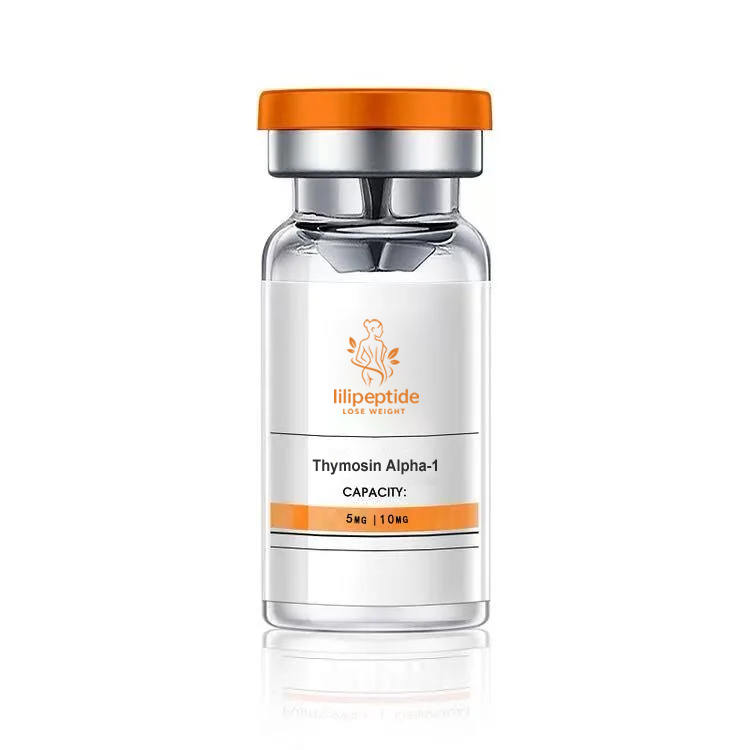
Thymosin Alpha-1
Thymosin Alpha-1 is a synthetic version of the naturally occurring peptide thymosin alpha-1, which is produced by the thymus gland. The thymus plays a crucial role in immune system development and function, particularly in the maturation of T-cells, which are essential for adaptive immune responses.
The synthetic version, Thymosin Alpha-1, consists of 28 amino acids and is produced through pharmaceutical synthesis rather than extraction from natural sources. This manufacturing approach ensures purity and consistency in dosing, which is essential for therapeutic applications.
Thymosin Alpha-1 is marketed under various brand names in different countries, including Zadaxin (in Asia) and other formulations. The medication is classified as an immunomodulatory agent, meaning it works by modifying or regulating immune system function rather than directly treating specific pathogens.
Mechanism of Action
Understanding how Thymosin Alpha-1 works requires examining its effects on the immune system. The peptide exerts its immunomodulatory effects through several mechanisms that enhance immune function.
T-Cell Maturation and Function
Thymosin Alpha-1 promotes the maturation and differentiation of T-cells, particularly those involved in cell-mediated immunity. T-cells play critical roles in recognizing and eliminating infected cells, coordinating immune responses, and maintaining immunological memory.
The peptide helps restore proper T-cell function in individuals with impaired immune responses. This effect is particularly relevant in conditions where the immune system is compromised or not functioning optimally.
Immune Cell Activation
Thymosin Alpha-1 enhances the activity of various immune cells, including T-lymphocytes, natural killer cells, and macrophages. These cells are essential components of the immune defense system, responsible for identifying and eliminating pathogens and abnormal cells.
The peptide appears to increase the production of cytokines, which are signaling molecules that coordinate immune responses. This enhanced cytokine production helps mount more effective immune reactions against pathogens.
Antiviral and Immunomodulatory Effects
Research suggests that Thymosin Alpha-1 exhibits antiviral properties, potentially through enhancing the body’s immune response to viral infections. The peptide’s immunomodulatory effects may help the immune system more effectively combat various viral pathogens.
These antiviral effects have generated interest in exploring Thymosin Alpha-1 as a potential treatment for viral infections, though extensive clinical research continues in this area.
Approved Uses and Indications
Thymosin Alpha-1 has been approved for medical use in several countries, though regulatory status varies by jurisdiction. Understanding the approved uses helps provide appropriate context for this medication.
Treatment of Chronic Hepatitis B and C
In various countries, Thymosin Alpha-1 has been approved for the treatment of chronic hepatitis B and hepatitis C infections. The medication is typically used as part of combination therapy for these conditions, working alongside antiviral agents to enhance treatment responses.
Clinical studies have examined whether Thymosin Alpha-1 can improve response rates to antiviral therapy in patients with chronic hepatitis. The evidence base for this application includes studies conducted in multiple countries.
Immune Deficiency Conditions
Thymosin Alpha-1 has been used in the treatment of various immune deficiency conditions, particularly those involving impaired T-cell function. The medication’s ability to enhance T-cell maturation and function makes it suitable for conditions where immune system enhancement is desired.
Some countries have approved Thymosin Alpha-1 for use in conditions such as DiGeorge syndrome and other primary immunodeficiency disorders affecting T-cell function.
Adjunct Therapy in Cancer
Research has explored Thymosin Alpha-1 as an adjunct therapy in cancer treatment, particularly in combination with standard chemotherapy or immunotherapy regimens. The theoretical basis for this application involves enhancing immune function to better recognize and eliminate cancer cells.
However, Thymosin Alpha-1 is not broadly approved for cancer treatment, and its role in oncology remains an area of ongoing investigation.
Clinical Research and Studies
Thymosin Alpha-1 has been evaluated in numerous clinical studies examining its effectiveness for various conditions. The research landscape includes studies examining different indications and patient populations.
Hepatitis Treatment Studies
Clinical research has evaluated Thymosin Alpha-1 in patients with chronic hepatitis B and C. Some studies have reported improved response rates to antiviral therapy when Thymosin Alpha-1 is added to treatment regimens. However, the evidence remains mixed, and definitive conclusions about optimal use continue to be studied.
Infectious Disease Research
Research has explored Thymosin Alpha-1’s potential in treating various infectious diseases. Areas of investigation have included respiratory infections, herpesviruses, and other viral conditions. The immunomodulatory properties of Thymosin Alpha-1 make it a candidate for enhancing immune responses to various pathogens.
Immunodeficiency Disorders
Studies have examined Thymosin Alpha-1’s effects in patients with primary immunodeficiency disorders. These conditions involve impaired immune function, often due to genetic defects affecting immune system development or function. Research has evaluated whether Thymosin Alpha-1 can help compensate for these deficiencies.
Safety Profile and Considerations
Understanding the safety profile of Thymosin Alpha-1 is essential for appropriate medical use. Healthcare providers consider several factors when prescribing this medication.
Common Side Effects
The most frequently reported side effects associated with Thymosin Alpha-1 include injection site reactions such as redness, swelling, or discomfort. These local reactions are typically mild and resolve without intervention.
Some patients experience flu-like symptoms including fever, malaise, and body aches following administration. These effects are usually transient and diminish with continued treatment.
General Tolerability
Thymosin Alpha is generally well-tolerated in most patients. The side effect profile appears manageable, and discontinuation rates due to adverse events remain relatively low in clinical studies.
Healthcare providers monitor patients during treatment, particularly during initial administration, to assess individual responses and tolerability.
Contraindications and Precautions
Thymosin Alpha is typically not recommended for individuals with known hypersensitivity to the medication or any of its components. As with all medications, patients should disclose their complete medical history and current medication use to healthcare providers before starting treatment.
Pregnant and breastfeeding individuals should consult healthcare providers regarding the use of Thymosin Alpha-1, as safety in these populations requires careful consideration.
Current Status and Research Directions
Thymosin Alpha remains an area of ongoing research and clinical investigation. The medication’s immunomodulatory properties continue to be explored in various disease contexts.
Regulatory Status
Thymosin Alpha-1 is approved for medical use in several countries, particularly in Asia and parts of Europe. In the United States, the medication is not FDA-approved but has been available through expanded access programs.
Regulatory approval status varies by country, and patients should consult healthcare providers regarding the availability and appropriate use of Thymosin Alpha-1 in their jurisdiction.
Ongoing Research
Current research continues to evaluate Thymosin Alpha in various contexts, including combination therapies for infectious diseases, novel applications in immunology, and potential uses in other conditions involving immune dysfunction.
The research community continues to investigate optimal dosing strategies, treatment combinations, and patient populations who might benefit most from Thymosin Alpha-1 therapy.
Conclusion
Thymosin Alpha represents an important immunomodulatory peptide that has been studied extensively for its potential to enhance immune function. Originally derived from the thymus gland, this synthetic 28-amino acid peptide works by promoting T-cell maturation, enhancing immune cell activity, and modulating immune responses.
The medication has been approved for various uses in several countries, including treatment of chronic hepatitis B and C and certain immunodeficiency conditions. Clinical research continues to explore additional potential applications, though regulatory approval varies by jurisdiction.
As with any prescription medication, Thymosin Alpha-1 should be used under appropriate medical supervision. Healthcare providers consider individual patient factors when recommending this treatment, including diagnosis, medical history, and treatment goals. Regular monitoring helps ensure optimal outcomes and manage potential side effects.
The development and use of Thymosin Alpha illustrates the ongoing effort to develop immunomodulatory therapies that can enhance the body’s natural defense mechanisms. As research continues, the role of this peptide in treating various conditions may become better defined.
Reviews
There are no reviews yet.