
Description
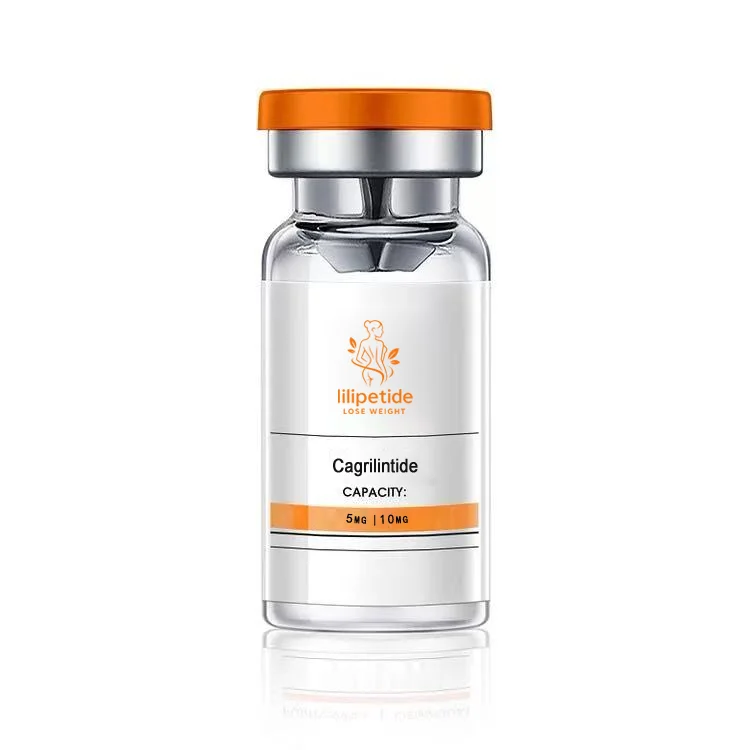
Cagrilintide
Cagrilintide is a synthetic analog of human amylin, also known as islet amyloid polypeptide (IAPP). The peptide has been modified to have a significantly longer half-life than natural amylin, allowing for once-weekly dosing. The modifications include amino acid substitutions that increase stability while maintaining biological activity at amylin receptors.
Natural amylin has a half-life of approximately 15 minutes, making therapeutic use impractical. Cagrilintide’s engineering for extended duration represents a significant pharmaceutical achievement that enables clinical application.
How It Works: The Mechanism of Action
Cagrilintide exerts its effects by binding to amylin receptors (including the CALCR/RAMP1 and CALRL/RAMP complexes) in the brain. This activation leads to multiple effects:
Appetite Suppression: Amylin activates neurons in the area postrema and nucleus tractus solitarius, brain regions that control appetite and nausea. This reduces food intake by promoting feelings of fullness and reducing motivation to eat.
Gastric Emptying: Like GLP-1, amylin slows gastric emptying, which prolongs the feeling of fullness after meals and reduces overall calorie intake.
Energy Expenditure: Some research suggests amylin may influence energy expenditure, though this mechanism is less characterized than appetite effects.
Biological Functions and Roles
Appetite Regulation
The primary function of cagrilintide is appetite suppression through central nervous system mechanisms. By activating amylin receptors in key brain regions, it reduces hunger and increases feelings of fullness. This leads to reduced food intake without causing significant discomfort in most individuals.
Glucose Metabolism Support
Amylin works alongside insulin in glucose regulation. While insulin promotes glucose uptake into cells, amylin helps prevent post-meal blood sugar spikes by slowing gastric emptying and suppressing glucagon release. These complementary effects make amylin analogs potentially valuable for metabolic health.
Weight Loss
Cagrilintide has demonstrated significant weight loss effects in clinical trials. As a monotherapy and in combination with semaglutide, it has produced substantial, clinically meaningful weight loss in individuals with obesity.
Clinical Research and Evidence
Phase 2 Trial Findings
Cagrilintide underwent extensive Phase 2 clinical testing. In one trial, participants receiving the highest dose achieved approximately 6.5% weight loss at 26 weeks as monotherapy. When combined with semaglutide 2.4mg, weight loss reached approximately 17%—substantial compared to existing therapies.
Combination with Semaglutide
The combination of cagrilintide with semaglutide represents one of the most promising obesity treatment approaches in development. The complementary mechanisms led to enhanced weight loss beyond what either compound achieved alone. This synergy makes the combination particularly attractive.
Safety Profile
Cagrilintide has demonstrated a generally favorable safety profile in clinical trials. The most commonly reported side effects include mild to moderate nausea, with less frequent reports of vomiting, diarrhea, and injection site reactions. These effects are typically transient and diminish over time.
Potential Benefits and Applications
Obesity Treatment
Cagrilintide represents a potential treatment for obesity and overweight with associated health conditions. Its mechanism complements GLP-1 agonists, making combination therapy particularly promising.
Metabolic Health
Beyond weight loss, cagrilintide may provide benefits for metabolic parameters including blood sugar control, blood pressure, and lipid profiles.
Comparison with Other Approaches
Cagrilintide vs. GLP-1 Agonists Alone
While GLP-1 agonists like semaglutide are highly effective, adding amylin analog provides additional mechanisms. This may enhance weight loss and provide more comprehensive metabolic support.
Cagrilintide vs. Other Weight Loss Medications
Compared to other weight loss medications, cagrilinti offers a novel mechanism with generally favorable side effect profiles. Its development specifically for obesity treatment (rather than diabetes repurposing) represents a targeted approach.
Current Status and Future
Development Timeline
Cagrilintide has completed Phase 2 development. Novo Nordisk announced positive Phase 2 results and was proceeding with Phase 3 development. As with any pharmaceutical development, timeline and ultimate approval remain uncertain.
Potential Approvals
If approved, cagrilintide (both as monotherapy and in combination with semaglutide) could become an important option in the treatment of obesity.
Conclusion
Cagrilintide represents a promising novel approach to obesity treatment through amylin receptor activation. Its complementary mechanisms with GLP-1 agonists make combination therapy particularly promising for substantial weight loss. The generally favorable safety profile seen in trials supports further development.
Reviews
There are no reviews yet.