

Description
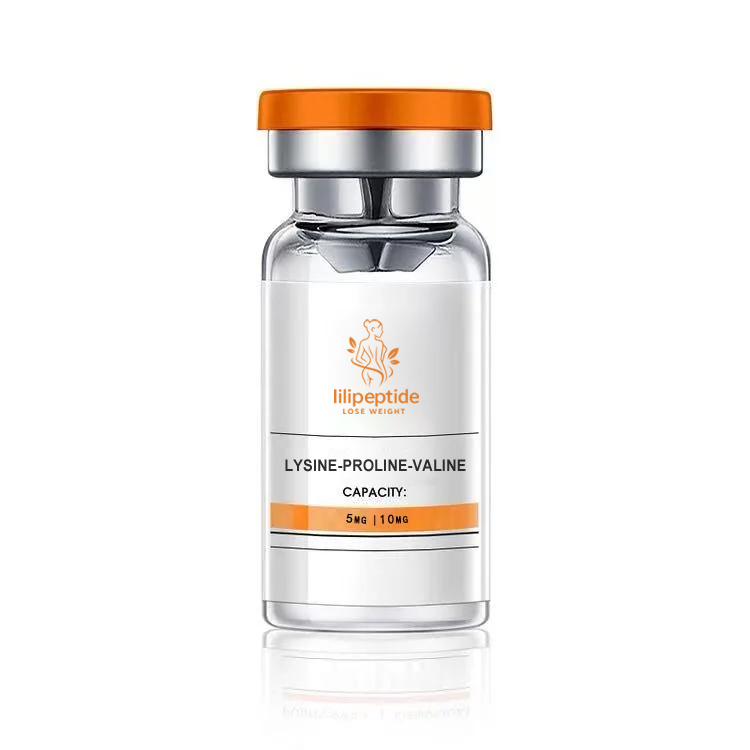
Lysine-Proline-Valine
Lysine-Proline-Valine is a tripeptide composed of three specific amino acids: lysine, proline, and valine, linked together in sequence. Each of these amino acids plays important roles in human physiology, and their combination in this specific tripeptide appears to create unique biological activities that differ from the individual amino acids alone.
The molecular structure of KPV is relatively simple compared to larger peptides and proteins, yet research has demonstrated significant biological activity. This simplicity also facilitates research into its mechanisms and potential therapeutic applications. The peptide can be synthesized artificially for research and potential therapeutic use, ensuring consistent composition and purity.
The Connection to Collagen
Lysine-Proline-Valine exists naturally as a segment within collagen, the primary structural protein in connective tissues throughout the body. Collagen contains numerous repeating sequences of lysine-proline-hydroxyproline, and KPV represents a related tripeptide structure found in collagen breakdown products.
This connection to collagen helps explain KPV’s effects on skin health and tissue repair. When collagen is broken down through normal physiological processes or following injury, various peptide fragments are produced, including sequences similar to KPV. These breakdown products serve as signaling molecules that can influence tissue repair processes.
Biological Functions and Mechanisms
Anti-Inflammatory Effects
One of the most well-documented functions of KPV involves its anti-inflammatory activity. Research has demonstrated that KPV can modulate inflammatory responses through multiple mechanisms, including inhibition of pro-inflammatory signaling pathways and reduction of inflammatory mediators.
This anti-inflammatory function has significant implications for various conditions characterized by excessive inflammation. The peptide appears to work through mechanisms that differ from traditional anti-inflammatory medications, potentially offering benefits with different side effect profiles.
Wound Healing and Tissue Repair
KPV has been studied extensively for its effects on wound healing and tissue repair. The peptide appears to promote healing through multiple mechanisms, including stimulation of cellular processes involved in tissue regeneration and modulation of inflammatory responses that can interfere with healing.
Research has demonstrated that KPV can influence collagen synthesis, cell proliferation, and tissue remodeling—all essential processes for effective wound healing. These effects make KPV an area of interest for both acute wound care and chronic wound conditions.
Skin Health Applications
Given its connection to collagen and effects on tissue repair, KPV has been explored for various skin health applications. The peptide may support skin barrier function, promote collagen production, and protect against environmental damage. These potential benefits have generated interest in both topical and systemic applications for skin health.
Research has explored KPV in various skin care formulations, including topical products designed to support skin elasticity, reduce the appearance of fine lines, and promote overall skin health.
Potential Benefits and Applications
Wound Care Support
One of the primary therapeutic applications of KPV involves support for wound healing. Research has demonstrated that KPV can accelerate healing in various wound types, including surgical wounds, traumatic wounds, and chronic wounds associated with conditions like diabetes.
The multi-faceted effects of KPV on healing processes make it particularly valuable for wound care. By addressing multiple aspects of the healing process, including inflammation control, collagen synthesis, and tissue remodeling, KPV offers comprehensive support for wound recovery.
Inflammatory Conditions
KPV’s anti-inflammatory properties suggest potential applications in various inflammatory conditions. Research has explored its use in conditions characterized by excessive or dysregulated inflammation, with some promising results.
The different mechanisms through which KPV exerts anti-inflammatory effects compared to traditional approaches may offer advantages in certain situations. However, additional research is needed to fully characterize its potential in inflammatory conditions.
Skin Care and Dermatology
KPV has been incorporated into various skin care products and dermatological applications. Its potential benefits for skin health include support for collagen production, protection against oxidative damage, and improvement in skin barrier function.
The interest in KPV for skin care reflects broader interest in peptide-based approaches to skin health. Unlike some approaches that simply address symptoms, KPV may support underlying skin health processes.
Research and Clinical Evidence
Preclinical Findings
Preclinical research on KPV has provided substantial evidence for its biological activities. Studies in cellular models and animal systems have demonstrated various effects that support continued investigation into potential applications.
These findings have established the scientific foundation for KPV research and informed the development of clinical applications. The consistency of findings across different research models has generated confidence in its potential therapeutic value.
Current Research Status
Research into KPV continues to advance, with ongoing studies exploring various aspects of its biology and potential applications. The compound remains an area of active investigation in both academic and clinical settings.
While preclinical evidence is substantial, additional clinical research is needed to fully characterize KPV’s effects in humans. The ongoing nature of this research reflects continued scientific interest in its potential applications.
Safety Profile and Considerations
Current Understanding of Safety
The safety profile of KPV continues to be characterized through ongoing research. Preclinical evidence suggests that the peptide is generally well-tolerated at studied doses, with a favorable side effect profile.
As with any therapeutic compound, comprehensive safety data require completion of appropriate clinical trials. Patients and healthcare providers should stay informed about emerging safety information.
Medical Supervision Requirements
Lysine-Proline-Valine should only be used under appropriate medical supervision from qualified healthcare providers. These providers can evaluate individual patient factors and determine whether specific interventions are appropriate.
Patients interested in Lysine-Proline-Valine or related compounds should consult with healthcare providers who can offer guidance based on current research and individual health circumstances.
Comparison with Other Approaches
KPV vs. Larger Peptides
Compared to larger peptides and proteins used in skin care and tissue repair, KPV’s small molecular size may offer advantages in tissue penetration. This smaller size allows it to reach target tissues more effectively in some situations.
The simplicity of Lysine-Proline-Valine compared to larger molecules also facilitates research into its mechanisms and helps ensure consistent manufacturing.
KPV vs. Traditional Anti-Inflammatories
KPV’s mechanisms differ from traditional anti-inflammatory medications, potentially offering different benefit and side effect profiles. This distinction makes it an area of interest for individuals seeking alternatives to conventional approaches.
However, direct comparisons between Lysine-Proline-Valine and traditional anti-inflammatories are limited, and appropriate selection depends on individual patient factors.
Practical Considerations
Administration and Usage
Lysine-Proline-Valine can be administered through various routes, including topical application, subcutaneous injection, and oral delivery, depending on the specific application. The appropriate route depends on the intended use and desired effects.
Healthcare providers can offer guidance on appropriate administration methods and dosing for specific applications. Proper technique and protocols are essential for achieving optimal outcomes.
Quality and Sourcing
The quality of Lysine-Proline-Valine products can vary significantly based on manufacturer and formulation standards. Healthcare providers can offer guidance on appropriate sourcing and quality considerations.
Reputable manufacturers provide certificates of analysis and follow quality standards that ensure product purity. These considerations are important for both safety and effectiveness.
Therapeutic Developments
New formulations and delivery methods for Lysine-Proline-Valine continue to be developed. These advancements may enhance its effectiveness and convenience for various applications.
The ongoing commitment to Lysine-Proline-Valine research ensures continued progress in understanding and utilizing this promising tripeptide.
Conclusion
Lysine-Proline-Valine represents a promising area of peptide research with potential applications in wound healing, inflammation, and skin health. Its multi-faceted mechanisms and connection to collagen provide a scientific foundation for its observed effects.
The potential benefits of Lysine-Proline-Valine include support for wound healing, anti-inflammatory effects, and skin health applications. However, as with any compound under investigation, patients should seek guidance from qualified healthcare providers and stay informed about ongoing research developments.
Reviews
There are no reviews yet.