
Description
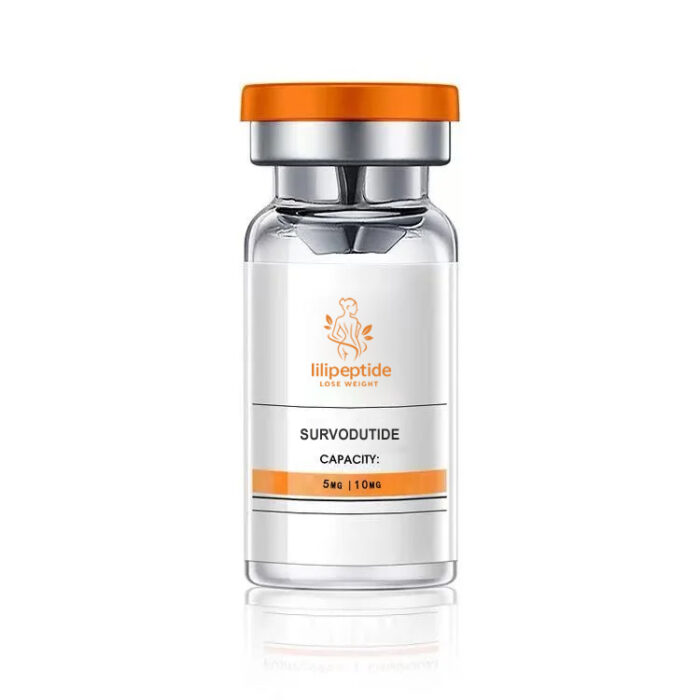
Survodutide
Survodutide, also known by its development code BI 456906, is an investigational synthetic peptide classified as a dual GLP-1 and glucagon receptor agonist. Unlike single-action medications that target only one hormone pathway, Survodutide activates both receptors simultaneously, creating a synergistic effect on metabolism, appetite regulation, and energy expenditure.
The medication is administered through subcutaneous injection, typically on a weekly basis. This dosing schedule offers convenience for patients, supporting adherence to treatment regimens over time. The weekly administration also helps maintain stable medication levels in the body, contributing to consistent therapeutic effects.
Survodutide has undergone extensive clinical investigation, with Phase 2 trials demonstrating significant efficacy in weight reduction and metabolic improvement. The development program represents a significant investment in addressing the growing global epidemic of obesity and metabolic disease.
Mechanism of Action
Understanding Survodutide’s mechanism requires examining the two hormone pathways it activates: GLP-1 and glucagon. Both of these hormones play crucial roles in metabolic regulation, but they work through distinct pathways that together create comprehensive metabolic benefits.
GLP-1 Receptor Activation
Glucagon-like peptide-1, commonly known as GLP-1, is an incretin hormone released from intestinal cells following food consumption. This hormone stimulates insulin secretion from the pancreas, helping the body respond appropriately to incoming nutrients. Additionally, GLP-1 suppresses glucagon release, which would otherwise raise blood sugar levels.
Beyond its effects on blood sugar, GLP-1 promotes feelings of fullness and reduces appetite through its actions on brain centers that control hunger. This appetite-suppressing effect supports reduced food intake, contributing to weight management efforts.
The GLP-1 pathway has been successfully exploited by several approved medications for type 2 diabetes and obesity. However, Survodutide’s combined approach with glucagon receptor activation potentially offers advantages beyond what GLP-1 alone can achieve.
Glucagon Receptor Activation
Glucagon is a hormone produced by the pancreas that helps maintain blood sugar levels during fasting periods. While often considered the opposite of insulin, glucagon’s effects are more complex than simple opposition. Activation of glucagon receptors promotes fat burning and energy expenditure, which can contribute to weight loss.
Research has shown that carefully balanced glucagon receptor activation, particularly in combination with GLP-1 activation, can enhance metabolic rate and fat oxidation without the adverse effects sometimes associated with glucagon alone. The dual agonism in Survodutide appears to optimize these effects.
Synergistic Effects
The combined activation of both GLP-1 and glucagon receptors creates effects greater than either pathway alone. This synergy addresses multiple aspects of metabolic dysfunction simultaneously, including reduced food intake, enhanced energy expenditure, improved blood sugar control, and promotion of fat burning.
The dual mechanism also appears to help maintain metabolic benefits over time, potentially addressing the challenges of weight regain that many individuals experience with single-action treatments.
Clinical Research and Results
Survodutide has undergone rigorous clinical evaluation, with Phase 2 trials providing compelling evidence of its effectiveness. These studies have examined the medication’s effects on weight loss, glycemic control, and various metabolic parameters.
Weight Loss Studies
Clinical trials have demonstrated that Survodutide produces substantial weight loss in individuals with obesity. In Phase 2 trials, participants receiving Survodutide achieved weight reductions averaging approximately 15% of their initial body weight over the treatment period. These results compare favorably with other weight management medications currently available.
The weight loss effects appear dose-dependent, with higher doses producing greater reductions. However, dose escalation is typically managed carefully to minimize side effects and optimize tolerability.
Importantly, studies have also examined whether weight loss is sustained with continued treatment. Results suggest that continued treatment helps maintain weight loss, addressing a common challenge in weight management where individuals regain weight after initial success.
Metabolic Benefits
Beyond weight loss, clinical trials have documented improvements in various metabolic parameters. These include improvements in glycemic control, favorable changes in blood pressure, and improvements in cholesterol profiles. Such improvements contribute to reduced cardiovascular risk.
Research has also examined effects on markers of liver health, which is particularly relevant for individuals with conditions like non-alcoholic fatty liver disease (NAFLD) that often accompany obesity.
Safety Profile
Clinical trials have established the general safety profile of Survodutide. The most commonly reported side effects relate to the gastrointestinal system, including nausea, vomiting, diarrhea, and decreased appetite. These effects are similar to those seen with other GLP-1 receptor agonists and tend to be most pronounced during initial treatment periods.
Most participants experience mild to moderate gastrointestinal symptoms that typically diminish over time as the body adjusts to the medication. Starting with lower doses and gradually increasing the dose helps minimize these effects.
Current Development Status
Survodutide remains under development and has not yet received regulatory approval from agencies such as the U.S. Food and Drug Administration (FDA) or the European Medicines Agency (EMA). The development program continues to advance through clinical phases.
Development Timeline
The medication has completed Phase 2 clinical trials demonstrating significant efficacy. The next phase in development involves larger Phase 3 trials designed to confirm effectiveness and safety in broader patient populations.
Phase 3 trials will include longer treatment durations and larger patient numbers to establish the long-term benefits and risks of Survodutide treatment. These trials are essential for regulatory submission and approval.
Potential Indications
While primary development focuses on obesity treatment, Survodutide may potentially address multiple conditions. The dual mechanism makes it suitable for individuals with obesity who also struggle with metabolic dysfunction, including prediabetes and type 2 diabetes.
Research may also explore applications in other metabolic conditions, though these remain future possibilities requiring additional investigation.
Potential Benefits
Survodutide offers several potential advantages that distinguish it from existing treatments, making it an area of significant interest in metabolic medicine.
Dual Mechanism Advantage
The combined GLP-1 and glucagon receptor activation provides more comprehensive metabolic effects than single-action medications. This addresses multiple aspects of metabolic dysfunction simultaneously, potentially leading to better outcomes.
Substantial Weight Loss
Clinical trial results have shown significant weight loss, exceeding what is typically observed with many existing weight management medications. This efficacy addresses the substantial need for more effective obesity treatments.
Weekly Dosing
The weekly administration schedule offers convenience compared to daily medications, supporting adherence to treatment regimens over time.
Metabolic Improvement
Beyond weight loss, Survodutide provides improvements in various metabolic parameters, addressing the constellation of issues that often accompany obesity.
Considerations and Future Outlook
Several considerations accompany the development of Survodutide, and understanding these helps provide appropriate context for this emerging treatment.
Regulatory Approval Process
Survodutide remains investigational and requires regulatory approval before becoming available for prescription. The approval process involves demonstration of safety and effectiveness through rigorous clinical trials.
Healthcare Provider Guidance
Once approved, healthcare providers will play essential roles in identifying appropriate candidates for treatment, managing dosing, and monitoring response. Patients should consult healthcare providers for personalized medical advice.
Competition and Development
The field of dual and triple receptor agonists is highly competitive, with several pharmaceutical companies developing similar medications. This competition may ultimately benefit patients through expanded treatment options.
Conclusion
Survodutide represents a promising advancement in the treatment of obesity and metabolic disorders. Its innovative dual GLP-1/glucagon receptor agonist mechanism provides comprehensive metabolic benefits, including substantial weight loss and improvements in various metabolic parameters. Clinical trial results have demonstrated impressive efficacy, generating optimism within the medical community.
The medication remains under development, with Phase 3 trials anticipated to further establish its safety and effectiveness profile. Once approved, Survodutide could become an important treatment option for individuals struggling with obesity and related metabolic conditions.
As research continues, the development of Survodutide exemplifies the ongoing effort to develop more effective treatments for metabolic diseases. The success of dual-action approaches highlights the value of targeting multiple pathways simultaneously in addressing complex conditions like obesity.
Reviews
There are no reviews yet.